Class C Misdemeanors Under Texas OHV Law
There’s nothing quite like the freedom of tearing up a trail or cruising through a pasture on your ATV or UTV here in Texas. But let’s be real, that feeling can quickly turn to dread if you see flashing lights in your rearview or get handed a piece of paper that says "citation." Understanding what constitutes a Class C misdemeanor under Texas Off-Highway Vehicle (OHV) law is absolutely crucial for any rider, not just to avoid fines, but to preserve that hard-won peace of mind. This guide is all about shedding light on these often-misunderstood rules, helping you navigate the trails and backroads without getting tangled up in legal woes.
Understanding Class C Misdemeanors in Texas
Let's start by demystifying what a "Class C misdemeanor" actually means in the Lone Star State. It sounds scary, like something that could land you in serious trouble, but in the hierarchy of Texas law, it's generally the lowest level of criminal offense. Think of it as the legal equivalent of a slap on the wrist, though those slaps can certainly hurt your wallet.
What Defines a Class C Misdemeanor
A Class C misdemeanor in Texas is typically an offense punishable by a fine only. We're talking about things like speeding tickets, minor traffic infractions, or even public intoxication in some instances. The key here is that these offenses don't usually carry jail time, though failure to pay the fine can definitely lead to more severe consequences, including warrants and even jail. It's a way for the state to enforce minor rules and regulations without burdening the court system with major criminal proceedings. For most folks, it’s a quick trip to the county clerk to pay a fine or maybe an online payment, and then you try to be more careful next time. It’s an administrative headache more than a life-altering event, but that doesn’t mean it should be taken lightly.
How OHV Offenses Fall Under Class C
When it comes to our beloved ATVs and UTVs, many common violations that riders might commit unknowingly or intentionally fall squarely into this Class C category. These aren't high-level felonies, but they are still violations of the law that carry statutory fines and often come with additional court costs and fees that can really add up. The intent of the law is to regulate the safe and responsible operation of these vehicles, especially when they intersect with public lands, roads, or the rights of private landowners. Ignorance of the law is never an excuse, and whether you're a seasoned rider or just got your first machine, understanding these rules is key to enjoying your ride without interruption. Texas wants you to enjoy the outdoors, but it also wants you to do it safely and legally, respecting others and the land.
Common OHV Violations Leading to a Class C Citation
So, what are the specific missteps that can lead to a Class C misdemeanor citation when you're out riding your ATV or UTV in Texas? Many of them revolve around where you ride, who's riding, and what equipment your machine has (or doesn't have).
Unlawful Road Use
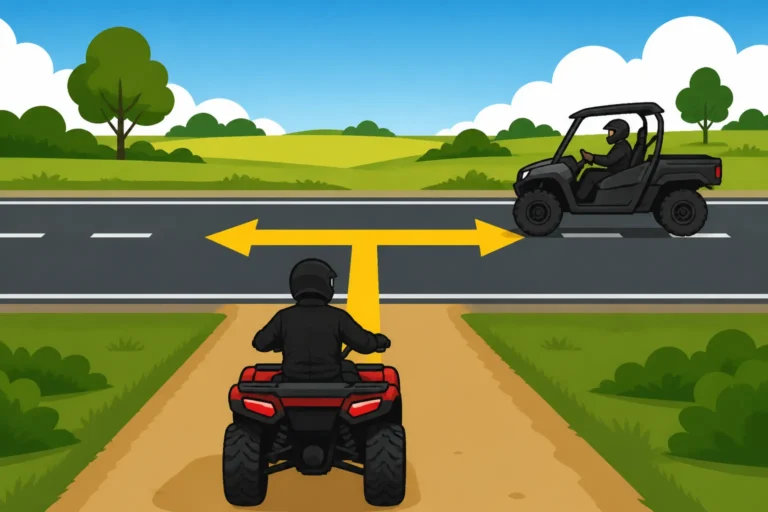
This is probably one of the biggest areas where riders run into trouble. Texas law is pretty clear: ATVs and UTVs are primarily designed for off-highway use. While there are some very specific exceptions that allow for limited road use, riding your OHV on public roads where it's not permitted is a surefire way to earn a Class C ticket. This could mean riding down a busy highway, cruising through town, or even taking a shortcut on a county road that isn't designated for OHV use. It doesn't matter if you're just trying to get from one pasture to another, if that road isn't explicitly allowed, you're breaking the law.
For example, many riders misunderstand the rules around [Texas Rules for Riding a 35 mph Road] or [Texas Rules for Riding a Farm Road]. These rules are very particular about speed limits, distances, and even the type of community you're in. Simply having a turn signal or mirrors, which some aftermarket companies like SuperATV offer to enhance safety, doesn't magically make your machine street legal. Texas does not provide a general mechanism to [Are ATVs Street Legal in Texas?], and any modifications you make will not change that fundamental legal status, as discussed in [Why an Altered Quad Still Cannot Be Plated]. It's about where you're riding, not just what your machine looks like.
Failure to Display an OHV Decal
If you're planning on riding on any designated public OHV land in Texas, like the Sam Houston National Forest or one of the many state-funded OHV parks, your machine needs to display a current Texas OHV decal. This isn't just a suggestion; it's a requirement under law. Failure to have one visible on your machine can result in a Class C misdemeanor. The purpose of this decal, as explained in [The Texas OHV Decal Explained], is to help fund the very trails and facilities you're enjoying.
It’s an annual sticker that helps support the system. Many riders mistakenly believe that if they only ride on private land, they don't need a decal, which is true. However, the moment you venture onto public trails, that decal becomes mandatory. You can find out more about the cost and how to obtain one in [Texas OHV Decal Cost]. It's a small expense for a season of riding, and it saves you the much larger headache of a ticket.
Operating Without a Safety Certificate for Minors
Texas has specific requirements for younger riders, and understandably so, given the inherent risks of OHV operation. If you have a rider under a certain age (currently 14 years old) operating an OHV on public land, they generally need to have an approved OHV safety certificate. More importantly, they often need to be under the direct supervision of an adult who also holds a certificate or meets other specific criteria.
This rule is in place for everyone's safety, especially for the protection of minors. If a child is caught riding without the proper certification or supervision, the adult responsible could face a Class C misdemeanor. It’s crucial to understand [Texas OHV Safety Certificate Requirements] and [Texas Minimum Age for a Safety Certificate]. For parents and guardians, understanding [Texas Rules for Riders Under 14] is paramount to a safe and legal outing. This isn't about stifling fun, but ensuring everyone has the knowledge and skills to ride responsibly.
Equipment Violations
While ATVs and UTVs aren't usually subject to the same strict equipment rules as street-legal vehicles, there are still some basic requirements, especially when operating on public lands or in specific situations. For instance, most public riding areas require a functioning spark arrester on your exhaust to prevent wildfires. Without one, you're not just risking a ticket; you're risking a serious fire. Similarly, if you're operating in low light or darkness in areas where it's permitted, proper lighting is essential.
Checking specific park rules, as well as state law, will give you the full picture. Violations like not having a proper [Texas Spark Arrester Requirement] or adequate [Texas Lighting Requirements for OHVs] can lead to a Class C citation. These rules are in place to protect the environment, prevent accidents, and ensure visibility for everyone on the trails. It's not about making your machine fancy, it's about making it safe and compliant.
Helmet and Eye Protection Requirements
Safety gear is not just a recommendation; in certain situations, it's the law. Texas has specific helmet laws that apply to OHV riders, particularly those under a certain age. For example, riders under 15 years old are generally required to wear a helmet, and often eye protection, when riding an OHV. There are also specific circumstances, like operating on public roads or in certain recreational areas, where helmets might be mandatory for all riders, regardless of age.
Failing to comply with these safety equipment requirements can result in a Class C misdemeanor. It’s vital to be familiar with the [Texas Helmet Law for ATV Riders] and [Texas Eye Protection Requirement for Riders]. Wearing a helmet is not just about avoiding a ticket; it's about protecting yourself from serious injury, and companies like SuperATV even offer components like full windshields that can offer additional protection from debris, which might supplement eye protection requirements. Always prioritize safety first.
Trespassing on Private Property
This might seem like a no-brainer, but it's a common issue that can quickly escalate into legal trouble. Riding your OHV on private land without explicit permission from the landowner is trespassing, and it is absolutely a Class C misdemeanor. Texas takes property rights very seriously. It doesn't matter if the land looks abandoned, if there's no fence, or if you "didn't see a sign." The burden is on you, the rider, to know whose land you're on and to have permission before you ride.
Riding on someone else's property without permission can not only lead to a fine but also alienate landowners, potentially closing off future riding opportunities for everyone. Respecting property lines and always seeking permission, even if it's just to cross a corner, is crucial. You can find more information on [Texas Trespass Rules for Riders]. Always err on the side of caution and get permission in writing if possible.
The Financial Sting of a Texas Class C Ticket
So, you've been handed a Class C citation for an OHV violation. What's next for your wallet? While these are the lowest level of criminal offense, the financial impact can still be significant, especially once all the associated fees are tallied up. It's rarely just the face value of the fine.
The Base Fine Amount
The actual fine for a Class C misdemeanor in Texas can vary depending on the specific violation and the county or jurisdiction where the offense occurred. Generally, these fines can range from a nominal amount to several hundred dollars. For example, a basic violation might start around $50-$100, but some offenses, particularly those related to safety or serious road violations, could be closer to $200-$500 or even higher.
The law often sets a maximum fine, and the judge or court clerks within that jurisdiction will determine the exact amount based on local ordinances and the specific circumstances of your case. It’s always a good idea to check the citation itself or contact the court listed to understand the specific fine amount you're facing.
Court Costs and Administrative Fees
Here's where the real sting often comes in. The base fine is rarely the only charge. On top of that, you'll almost always have to pay a variety of court costs and administrative fees. These fees cover the cost of processing your citation, maintaining court records, and supporting various state and local programs. These can sometimes double or even triple the total amount you owe beyond the initial fine.
For example, a $75 fine might quickly become a $250 bill once court costs, judicial fees, recordkeeping fees, and other administrative charges are added. It’s frustrating because it’s not always obvious on the ticket how much the total will be, and it can catch people off guard. These additional costs are non-negotiable and apply to almost every Class C misdemeanor citation issued in Texas.
Escalating Costs for Repeat Offenses
While a single Class C misdemeanor might seem manageable, repeat offenses can lead to escalating costs and more severe consequences. Courts often have policies that impose higher fines for subsequent violations of the same type. This is to discourage habitual disregard for the law.
Moreover, if you accumulate too many Class C misdemeanors, particularly for related offenses, it can start to affect other aspects of your life. While they don't typically lead to jail time on their own, consistently ignoring these laws can eventually lead to a judge taking a harder stance, potentially even impounding your vehicle in extreme cases or requiring you to appear in court multiple times. It's a system designed to encourage compliance, and ignoring it only makes things more expensive and complicated.
Here's a simplified table to illustrate the breakdown of potential costs for a hypothetical Class C OHV misdemeanor:
| Cost Type | Typical Range (Approximate, Varies by Jurisdiction) | Notes |
|---|---|---|
| Base Fine | $50 – $500 | Determined by the specific violation (e.g., trespassing, no decal, unlawful road use). |
| Court Costs | $50 – $150 | Covers administrative expenses of the court (clerk fees, judicial support). |
| State Fees | $20 – $75 | Various statutory fees that fund state programs (e.g., judicial support fund, time payment fees if applicable). |
| Local Fees | $10 – $50 | Local surcharges or fees imposed by the county or municipality. |
| Total Estimated Cost | $130 – $775+ | This is a broad estimate. Always check your specific citation or contact the court for exact figures. Failure to pay can lead to further penalties. |
Beyond the Fine: Other Consequences
A Class C misdemeanor might be fine-only, but the repercussions don't always end with writing a check. There can be other, less obvious, but equally frustrating consequences that can impact your riding, your wallet, and even your record.
Vehicle Impoundment and Towing Fees
One of the most immediate and painful consequences, especially for offenses like unlawful road use or severe trespassing, is the impoundment of your OHV. If an officer determines your vehicle is being operated illegally or is an immediate hazard, they have the authority to have it towed and impounded. This means not only are you getting a ticket, but your machine is hauled away.
Getting your ATV or UTV back involves paying not just the Class C fine, but also hefty towing fees, daily storage fees at the impound lot, and potentially an administrative release fee from the law enforcement agency. These costs can quickly dwarf the original fine, turning a minor infraction into a major financial hit. Imagine your weekend ride suddenly costing hundreds, if not thousands, of dollars just to get your pride and joy back.
Impact on Insurance Premiums
While Texas does not generally require insurance for OHVs used strictly off-road, if you do carry a policy (which is highly recommended!), a Class C misdemeanor can potentially impact your premiums. Insurance companies assess risk, and a history of violations, even minor ones, can signal a higher risk profile. This is especially true if the violation was tied to an accident or a situation where your insurance might have been involved.
Even if a single Class C doesn't directly raise your rates, it could be a factor in future renewals or when seeking new coverage. Many providers offer discounts for safe riding, and a citation could jeopardize those. Always check with your insurance provider to understand their policies regarding minor violations and how they might affect your coverage or rates. It’s an indirect cost that can add up over time.
A Mark on Your Record
Although a Class C misdemeanor is the lowest level of criminal offense and typically doesn't appear on standard criminal background checks that look for felonies or higher-level misdemeanors, it is still a matter of public record. For certain types of background checks, like those for specific employment, licensing, or security clearances, these minor infractions can sometimes come up.
While a single Class C might not be a deal-breaker, a pattern of violations could paint a picture of someone who disregards rules, which can be a concern for some employers or professional boards. It's a reminder that even "minor" legal issues have a paper trail. While it won't haunt you like a felony, it's still a record you'd rather keep clean.
Restricted Riding Privileges at Parks
Many public and private OHV parks and riding areas have their own set of rules and regulations, often enforced by park rangers or staff. If you receive a Class C citation while riding in one of these areas, or if you're cited for violating park rules (which might align with state law), you could face additional penalties directly from the park.
This could include being temporarily or even permanently banned from that specific park or trail system. For example, if you violate rules at Barnwell Mountain Recreation Area or Hidden Falls Adventure Park, they have the right to revoke your riding privileges. This means that even after paying your fine, you might lose access to your favorite riding spots. It's a significant consequence for those of us who cherish our time on the trails.
Avoiding the Pitfalls: Best Practices for Texas Riders
Navigating the rules and regulations for OHVs in Texas might seem daunting, but with a little foresight and adherence to best practices, you can significantly reduce your chances of receiving a Class C misdemeanor. It's all about being informed and riding responsibly.
Know the Law and Your Riding Area
This is perhaps the single most important piece of advice. Before you even load up your machine, take the time to understand both general Texas OHV laws and the specific rules of the area where you plan to ride. Are you heading to a state park? Check their website for specific regulations. Going to a private OHV park? Familiarize yourself with their unique rules. Planning to ride on private land? Ensure you have explicit permission.
Understanding where [Where to Ride an ATV in Texas] is legal and appropriate is paramount. Don't assume that because one county allows limited road use, all counties do. Laws can be hyper-local. A quick search or a call to the relevant authority can save you a lot of grief. It sounds like extra homework, but it's essential for a stress-free ride.
Ride Responsibly and Respect Property
Beyond the letter of the law, a huge part of avoiding trouble is simply being a good steward and a respectful rider. This means sticking to designated trails, respecting environmental regulations, and absolutely, unequivocally, staying off private property unless you have documented permission. Don't cut across fields, don't ride through someone's woods, and don't venture off marked paths.
Always remember that public perception of OHV riders is heavily influenced by the actions of a few. When you trespass or ride carelessly, it reflects poorly on the entire riding community, potentially leading to more restrictions for everyone. Be mindful of noise, dust, and your impact on nature. This is not just about avoiding a Class C for [Texas Trespass Rules for Riders], but about being a considerate neighbor and fellow outdoor enthusiast.
Maintain Your Machine for Compliance and Safety
Ensuring your ATV or UTV is in good working order isn't just about performance; it's also about compliance. Make sure your spark arrester is properly installed and maintained. If you're riding in conditions or areas that require lights, ensure they are functional and bright. If you've invested in quality aftermarket parts, like those from SuperATV, make sure they are installed correctly and that they meet any specific requirements for your riding area.
For example, SuperATV offers a range of high-quality lighting solutions and exhaust components that can help ensure you meet local requirements while also improving safety and performance. Regularly check your tires, brakes, and other critical components. A breakdown on a public trail due to poor maintenance could lead to an unfortunate situation that draws unwanted attention from law enforcement or park rangers.
Invest in Education and Training
For minors, getting the Texas OHV safety certificate is a legal requirement in many situations, as discussed in [Texas OHV Safety Certificate Requirements]. But even for adult riders, taking a safety course can be incredibly beneficial. These courses teach safe riding techniques, hazard awareness, and often cover local laws and regulations. They help you understand how to handle different terrains and situations safely, making you a more confident and competent rider.
It's an investment in your safety and enjoyment, and it demonstrates a commitment to responsible riding. Plus, an educated rider is far less likely to inadvertently break a law due to lack of knowledge. Consider it continuous learning for a hobby you love.
Secure Required Decals and Permits
If you're riding on public land, make sure your machine has the necessary Texas OHV decal. This is a simple annual sticker that signifies your contribution to the state's OHV trail system. As covered in [The Texas OHV Decal Explained], it's required for public land use. Purchase it well in advance of your trip to avoid any last-minute scramble or, worse, being turned away from a park.
Additionally, some specific parks or areas might have their own unique permits or fees. Always check with the management of your chosen riding location to ensure you have all the required documentation. It’s an easy step to overlook, but it’s one that can quickly lead to a Class C citation.
What to Do If You Get a Class C Misdemeanor Citation
So, despite all your best efforts, you find yourself with a Class C misdemeanor citation in hand. It's a frustrating moment, but how you react and proceed can make a big difference in the outcome.
Stay Calm and Cooperate
First and foremost, if you are pulled over or approached by law enforcement, stay calm and be cooperative. Arguing with an officer on the side of the trail or road is almost never going to help your situation, and it can sometimes escalate a minor issue into something more serious. Provide your identification, insurance if requested, and any other documents they ask for. Answer questions politely and truthfully, but remember you have the right to remain silent beyond basic identification.
Sign the citation if requested; this is not an admission of guilt, but simply an acknowledgement that you received the document. Getting angry or confrontational will only make a bad situation worse, and potentially lead to additional charges or a less sympathetic ear in court.
Understand Your Options
Once you have the citation, you generally have a few options, and the specific court listed on your ticket will provide details:
- Pay the Fine: For many Class C misdemeanors, particularly minor ones, simply paying the fine and associated court costs by the deadline is the simplest and most common route. This resolves the issue quickly, though it does mean the violation will be on your record.
- Request Deferred Disposition: In some cases, and for certain violations, you might be eligible for deferred disposition. This means you agree to a probationary period (often 90 to 180 days) during which you must not receive any other citations. If you successfully complete the period, the original citation may be dismissed, keeping it off your record. There are usually administrative fees associated with deferred disposition.
- Request a Driving Safety Course: If the citation is related to a moving violation (even on an OHV on a road), you might be able to request permission to take a state-approved driving safety course. Completing the course and paying relevant fees can lead to the dismissal of the citation.
- Plead Not Guilty and Go to Court: If you believe you were wrongly cited or have a valid defense, you have the right to plead not guilty and request a hearing or a trial. This means you will present your case to a judge or jury. This option is more involved and can require more time and effort, but it might be the right path if you feel the citation is unjust.
Seek Legal Advice When Necessary
For most simple Class C OHV misdemeanors, paying the fine or pursuing deferred disposition might be sufficient. However, if the fine is substantial, if you are facing multiple citations, if there are other severe consequences like vehicle impoundment, or if you simply don't understand the charges, it's always a good idea to consult with an attorney.
A lawyer specializing in traffic or misdemeanor offenses can review your case, explain your options thoroughly, and represent you in court if necessary. They can help you navigate the legal system, challenge the charges, or negotiate for a more favorable outcome. Don't hesitate to seek professional guidance if you're feeling overwhelmed or believe your rights are at stake. Knowing your rights and having someone to advocate for you can make a significant difference in the outcome of your case.
Disclaimer
This article is for general informational purposes only and does not constitute professional advice. Laws, prices and regulations vary by location and change over time. Consult a qualified professional for guidance on your specific situation.