Texas Beach Riding Rules for ATVs
There's nothing quite like the thought of cruising along a Texas beach, feeling the salt spray, and letting your ATV or UTV stretch its legs on the open sand. It's a dream many of us share, a picture of freedom that feels uniquely Texan. But here's the kicker: the reality of beach riding in the Lone Star State is often a tangled mess of local ordinances, state laws, and varying access points that can leave even the most seasoned rider scratching their head. This guide is here to untangle that confusion, offering a clear, realistic look at what it truly means to ride your ATV on a Texas beach, so you can enjoy the coast responsibly and legally.
The Allure and the Reality of Texas Beach Riding
The idea of riding an ATV or UTV on a wide-open beach is pure magic for many enthusiasts. It represents freedom, adventure, and a unique riding experience far removed from the dust and trees of traditional trails. But as much as we might yearn for that unrestricted coastal romp, the reality in Texas is often a bit more complicated than just pointing your rig towards the nearest stretch of sand.
Why Beach Riding Calls to Us
Let's be honest, who hasn't seen those captivating images or videos of ATVs tearing along the shoreline, kicking up sand as the waves crash nearby? The appeal is undeniable. There's something inherently thrilling about the vast, unpaved expanse of a beach, offering a different kind of terrain to conquer. The sensation of power-sliding on damp sand, the challenge of navigating soft dunes, and the sheer joy of riding with an ocean backdrop are experiences that make beach riding incredibly attractive. It feels like the ultimate escape, a place where the typical trail rules and crowded conditions simply melt away, replaced by the rhythm of the tide and the endless horizon. For many, it's a bucket-list item, a way to combine their love for off-roading with the natural beauty of the Texas coast.
The Hard Truth: Not All Beaches Are Equal
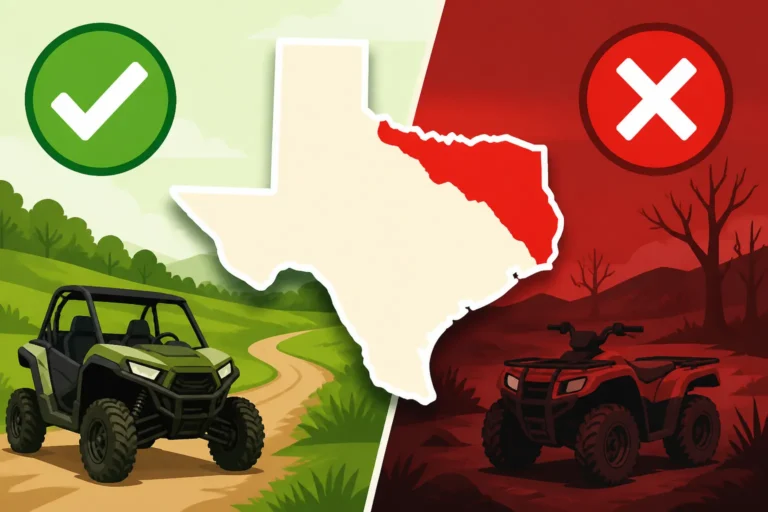
While the dream of beach riding is universal, the reality in Texas is anything but uniform. If you've ever driven down the coast, you'll quickly notice that some stretches are bustling with cars and trucks, while others are pristine, vehicle-free havens. Texas doesn't have a single, overarching rule that says "all beaches are open to ATVs" or "all beaches are closed." Instead, you'll encounter a complex patchwork of regulations, largely determined by individual counties and cities. This means that a beach that welcomes vehicles in one county might strictly prohibit them just a few miles down the road in the next. It's frustrating, I know. You pull up, ready to ride, only to be met with a "No Vehicles Beyond This Point" sign, or worse, a hefty fine. Understanding this localized control is the very first step in planning a legal and enjoyable beach ride.
Navigating the Legal Landscape: Who Sets the Rules?
So, why the confusion? It boils down to a blend of state statutes and potent local control. While Texas has certain laws governing off-highway vehicles in general, when it comes to the unique environment of a beach, local jurisdictions often have the final say. This creates a challenging maze for riders trying to figure out where they can and cannot ride.
State vs. Local Control: A Patchwork Quilt
The state of Texas provides a framework for how off-highway vehicles, which include most ATVs and UTVs, are generally handled. For instance, the state requires all OHVs to be titled, and you can even get an optional [Texas OHV License Plate Cost] to show you're following the rules. However, the state largely delegates authority to local governments – counties and cities – when it comes to regulating vehicle access on beaches. This means that a county commissioners court or a city council can pass ordinances that either allow, restrict, or completely ban ATVs and UTVs from their stretch of coastline.
This is where the "patchwork quilt" analogy really comes into play. You might find that Galveston County has different rules than Brazoria County, and within Galveston County itself, the City of Galveston might have stricter ordinances than an unincorporated area. There's no statewide "beach permit" or "beach riding zone" that applies everywhere. It's a localized decision, often based on factors like population density, tourism impact, environmental concerns, and pedestrian safety. So, when you're looking to ride, you're not just dealing with state law; you're diving into local politics and environmental considerations, which can feel daunting. Many times, you’ll find that the regulations boil down to whether the beach is considered a public road or a park, each having its own set of rules. For a general overview of state expectations, you can look into [Texas Rules for Riding a Beach], but remember that local rules often add another layer.
Reading the Signs: What to Look For
Given the varied landscape of regulations, the absolute most important thing you can do before even unloading your machine is to pay attention to signage. I can't stress this enough. Relying on outdated forum posts or "what my buddy said" can lead to disappointment and expensive tickets. When you arrive at a beach access point, look for prominent signs that indicate vehicle restrictions, hours of operation, or permit requirements.
These signs might state "No ATVs or OHVs Beyond This Point," "Vehicles Permitted on Designated Areas Only," or "Beach Permit Required for All Vehicles." Some signs might simply delineate where the "driving beach" begins and ends, implying that areas outside of that are off-limits for motorized vehicles. Pay close attention to any dates or seasonal restrictions, as rules can change depending on bird nesting seasons or peak tourist times. If you don't see any specific signs banning ATVs but do see signs requiring a beach parking permit for all vehicles, it's a good indicator that some form of vehicle access is allowed, but you’ll still need to confirm ATV specifics. Sometimes, a quick scan of the local government's website on your phone before you leave the house can save you a whole lot of headache.
Common Restrictions and Where You Might Encounter Them
Knowing that local rules dictate much of the beach riding experience, let's dive into the types of restrictions you're most likely to encounter along the Texas coast. It's rarely a straightforward "yes" or "no," and often involves specific zones, times, or vehicle types.
Beaches Where ATVs Are Generally Banned
It's probably no surprise that many of Texas's most popular and heavily developed tourist beaches are generally off-limits to ATVs and UTVs. Think of places like the highly populated areas of Galveston Island or the main beaches of South Padre Island. These areas prioritize pedestrian traffic, environmental preservation of dunes, and maintaining a certain aesthetic for tourism.
In these locations, you'll often find clear signage indicating "No Motorized Vehicles," "No OHVs," or simply "Pedestrian Beach." The reasons are usually pretty clear: imagine the chaos of dozens of ATVs mixing with families, beach umbrellas, and sandcastles. It's a recipe for accidents and frustration. Additionally, these areas often have delicate dune systems that are critical for coastal protection and provide habitat for nesting birds and other wildlife. Allowing unrestricted ATV access would quickly degrade these vital natural defenses. Local ordinances in these [Texas Cities That Ban ATVs on the Beach] are strictly enforced, and you could face significant fines or have your machine impounded if you disregard them. While the lure of a wide-open beach is strong, it's best to simply avoid trying to ride in these areas altogether and respect the local rules designed for public safety and environmental protection.
Beaches With Limited or Conditional Access
Beyond outright bans, many Texas beaches operate under a system of limited or conditional access for vehicles. This is where things get a bit more nuanced. You might find that vehicles are allowed on certain stretches of beach, often referred to as "driving beaches," while other areas are strictly pedestrian. For example, some counties might allow vehicles on the beach for fishing access, but not for recreational riding.
In these areas, it's common to see distinct markers, often posts or signs, indicating where the driving zone begins and ends. You might also encounter time-of-day or seasonal restrictions, where vehicles are allowed during certain hours or outside of peak tourist seasons. A key point to remember is that even on designated "driving beaches," the rules often treat the sand like a public road. This means that a standard driver's license is frequently required for anyone operating a vehicle, including your UTV or ATV, if that particular stretch of beach is legally designated as a public thoroughfare. Furthermore, while the general rule in Texas is that [Are ATVs Street Legal in Texas?] is a resounding "no," if you're on a "driving beach," local ordinances might require certain basic equipment like headlights, taillights, or even a visible license plate, even if it's just a county-issued beach tag. It's a tricky balance between off-road fun and public road responsibility.
The Driver's License and Vehicle Requirements on Beaches
This is where many riders get tripped up, especially if they’re used to riding strictly off-road on private land or dedicated parks. If you're on a Texas beach where any motorized vehicle traffic is permitted – even if it's just cars driving to a fishing spot – that stretch of sand is often legally considered a public road or highway. And just like any public road, this usually means that the operator of the vehicle must possess a valid, state-issued driver's license.
What does this mean for your ATV or UTV? Well, since most ATVs and UTVs are not designed or equipped for street legality, and [Texas Will Not Register an ATV for the Road], you often run into a significant hurdle. Even if a beach allows general vehicle traffic, your specific off-highway vehicle might still be prohibited if it doesn't meet basic road-legal requirements, or if the local ordinance specifically bans OHVs regardless of operator licensing. Some counties or cities might have specific exceptions for utility vehicles performing work, but for recreational use, the standard often applies. If you're thinking of riding a UTV that you've modified with turn signals, a horn, and mirrors, you might be closer to meeting some requirements, but it still won't change the underlying fact that it's generally not street legal by state law. However, if a beach is officially designated as a driving area, [Texas Equipment Rules for an ATV on a Road] might give you an idea of the kind of gear expected, even if your ATV isn't road-legal. Always check local ordinances meticulously, because getting caught without a license or on a prohibited vehicle type can lead to a Class C Misdemeanor and steep fines.
Permit Systems and Fees You Might Encounter
Beyond the fundamental question of "can I even ride here?", you'll often find that access to many Texas beaches, even for regular cars, comes with a cost. These permit systems and fees are designed to manage access, maintain the beach, and sometimes, generate revenue for local services.
Beach Parking Permits and Vehicle Tags
Many coastal counties and cities in Texas require you to purchase a special beach parking permit or vehicle tag to drive or park on designated sections of their beaches. These permits are typically annual and are affixed to your vehicle's windshield or dashboard. They are generally not OHV-specific; rather, they apply to all motorized vehicles that wish to use the driving beach. The funds collected from these permits often go towards beach maintenance, trash collection, and preserving public access points, which benefits everyone who enjoys the coast.
For example, you might see signs in certain counties saying "Brazoria County Beach Access Sticker Required" or "Galveston Beach Tag Mandatory." These aren't just suggestions; they're enforced. Even if you only plan to drive onto the beach for a few minutes to unload some fishing gear, you’ll typically need one of these permits. While your ATV or UTV might not be a traditional "car," if the beach is open to vehicles and your OHV is allowed, you would likely need to purchase and display this permit on your machine. Without one, you risk a citation. It’s important to understand that this is distinct from a general driver's license requirement, though both might apply. Essentially, you're paying for the privilege of accessing that specific stretch of sand by vehicle. [Texas Beach Driving License Requirement] often goes hand-in-hand with these permits, as the beach is treated like a roadway.
OHV-Specific Permits When Applicable
Now, here's a crucial distinction: the general beach parking permits we just discussed are usually for all vehicles. True OHV-specific permits for beach riding are much rarer, simply because many Texas beaches don't permit ATVs or UTVs at all, or they treat the driving beach like a regular road where OHVs aren't street-legal.
The statewide [The Texas OHV Decal Explained] is required for riding on public land trails that receive state funding, such as the Sam Houston National Forest OHV Trail or some OHV parks. This decal is not typically required or sufficient for beach access. You won't usually find a sign on a Texas beach saying "Texas OHV Decal Required Here." If an area did specifically allow ATVs for recreational riding on the beach, it would likely be a highly localized decision by that specific county or city, and they would institute their own unique permit system for that particular scenario. These situations are very uncommon. The key takeaway is to not confuse the general state OHV decal with beach access permits; they serve different purposes and apply to different types of public lands. Always assume that if you're bringing an OHV onto a beach, you'll need to jump through the specific local hoops, which generally means no ATVs or an existing beach parking permit for all vehicles.
Safety and Environmental Considerations for Beach Riding
Beyond the legalities, there are critical safety and environmental factors to consider when riding on any beach, especially in Texas. The coastal environment is unique, beautiful, and delicate, requiring a responsible approach to riding.
The Unique Dangers of Sand and Tides
Riding on sand presents its own set of challenges that are very different from dirt trails or rock crawling. Loose, dry sand can quickly bog down your ATV or UTV, leading to overheating or getting stuck. Soft spots, especially near the high tide line or in areas where water has recently receded, can be deceptively deep and cause your machine to sink. [Texas Rules for Riding on Sand] often involve awareness of these conditions.
Then there's the tide. The ocean is a powerful force, and incoming tides can quickly engulf vehicles, leading to serious damage or even complete loss of your machine. It's crucial to know the tide schedule for the specific beach you're visiting and to always have an escape route. Getting stuck too close to the water's edge can turn a fun day into a costly rescue operation. Furthermore, the coastal ecosystem is incredibly fragile. Dunes, for instance, are vital natural barriers that protect inland areas from storm surge and erosion. Riding on or disturbing dunes is almost universally prohibited and can lead to severe environmental damage and fines. These areas are also critical nesting grounds for various bird species, including endangered ones, and vital habitats for crabs and other marine life. Riding carelessly can destroy nests, disrupt foraging, and harm wildlife. Responsible riders understand that preserving these natural elements is key to keeping beach access open for anyone, so avoid speeding near wildlife or protected areas.
Responsible Riding to Preserve Access
If we want to continue enjoying any kind of vehicle access to Texas beaches, responsible riding isn't just a good idea – it's essential. The old adage "leave no trace" is paramount here. This means staying off sand dunes, which, as mentioned, are critical for the ecosystem and coastal protection. Stick to designated driving areas and established tracks. Never ride through areas cordoned off for nesting birds or other wildlife.
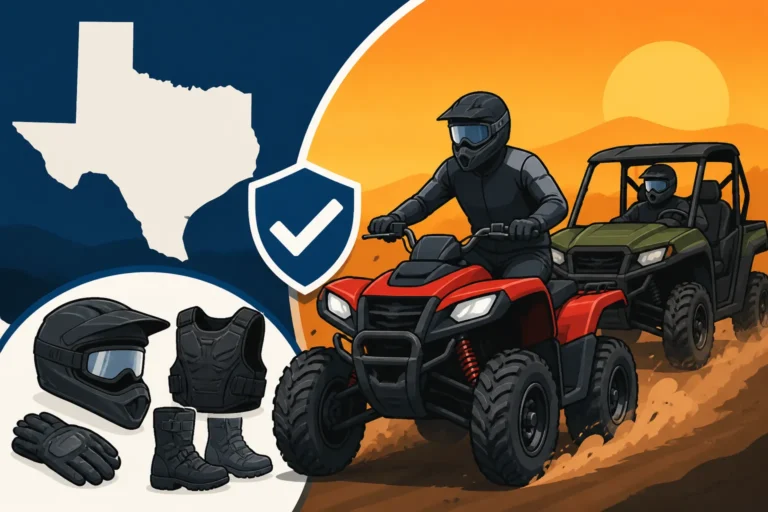
Packing out everything you pack in, and perhaps even picking up a bit of extra trash, helps maintain the cleanliness and appeal of the beach. Litter degrades the environment and gives authorities more reasons to restrict access. Beyond environmental considerations, safety for yourself and others is key. Even if a beach allows vehicles, it's still a shared space, often with pedestrians, children, and other vehicles. Maintain appropriate speeds, be aware of your surroundings, and always yield to foot traffic. While [Texas Helmet Law for ATV Riders] primarily applies to public lands, wearing a helmet, eye protection, and other appropriate safety gear is always a smart choice, especially when dealing with unpredictable sand conditions and potential interactions with other beachgoers. Some riders even carry a small shovel, tow strap, or a winch, like those from SuperATV, just in case they find themselves stuck in soft sand. Demonstrating a commitment to safety and environmental stewardship is the best way to ensure that any current beach access remains available for future generations of riders.
Where to Find Reliable Information Before You Go
Given the complex and localized nature of Texas beach riding rules, the absolute best thing you can do is to research thoroughly before you ever load your ATV onto a trailer. Don't rely on hearsay or outdated information.
Checking County and City Websites
The most accurate and up-to-date information will always come directly from the source: the local government bodies that manage the beaches. Before planning your trip, identify the specific county and city where you intend to ride. Then, navigate to their official websites. Look for departments related to Parks & Recreation, Public Works, or the County Judge's office. Many will have a dedicated section on beach access, vehicle regulations, and permit requirements.
For example, if you're heading to the area around Port Aransas, you'd check the City of Port Aransas website and the Nueces County website. For the Bolivar Peninsula, you'd look at Galveston County's official site. Pay close attention to "ordinances" or "rules and regulations" documents, which often lay out the precise legal language regarding vehicle types, operating hours, and restricted zones. This might seem like a bit of homework, but it's far better than facing a fine or being turned away at the access point. Some websites even have interactive maps that clearly mark driving and non-driving sections of the beach.
Local Law Enforcement and Park Rangers
If you've scoured the websites and still have a specific, unanswered question, your next step could be to contact the local non-emergency law enforcement or park ranger station for that area. While they can provide clarity, it's always best to come prepared with the information you've already found, asking very specific questions to avoid misinterpretations.
Remember, always refer to official written ordinances first, as verbal information can sometimes be generalized. A quick call to the county sheriff's office or the local park ranger during business hours might clear up a specific doubt, such as whether a certain type of UTV is permitted in an otherwise "vehicle allowed" zone. They are the ones who will be enforcing the rules, so their interpretation is important. However, don't rely on them to do your research for you; use them as a final point of clarification. They can also inform you about potential [Texas Fines for Illegal ATV Road Use] that might apply to beach violations.
Community Forums and Rider Groups (With Caution)
Online forums, social media groups dedicated to Texas ATV/UTV riding, and local enthusiast communities can be great resources for gathering anecdotal information, sharing experiences, and finding riding buddies. You might find discussions about which beaches have historically allowed ATVs, what the current sentiment is, or tips on navigating specific access points. Many times, you’ll see discussions about what gear to bring to the beach, such as specific paddle tires for sand, which SuperATV is known for.
However, and this is a big "however," always treat information from these sources with a healthy dose of skepticism. Rules and regulations can change without much public fanfare, and what was true last year or even last month might not be true today. People sometimes share outdated information or misunderstand a specific nuance of the law. Use these communities for ideas and general understanding, but always cross-reference any critical information with official government sources. Never plan a trip based solely on what someone posted online, no matter how confident they sound. The potential for a ticket or an impounded vehicle isn't worth taking that risk. Always verify, verify, verify.
| Texas Beach Access Type | General Characteristics | ATV/UTV Access Likelihood | Typical Requirements |
|---|---|---|---|
| Banned Beaches | Heavily populated, high pedestrian traffic, sensitive ecosystems. | Very Low (Prohibited) | None, as ATVs are not allowed. |
| Driving Beaches | Designated sections for vehicles, often for fishing/access. | Low (Conditional) | Valid Driver's License, Beach Parking Permit. |
| Remote/Unmanaged | Less developed, isolated stretches, often private land adjacent. | Variable (Check Local) | Often requires landowner permission if private. |
| Designated OHV Parks | Trails specifically for OHVs, might include sand dunes. | High (Controlled) | OHV Decal, Park Entry Fee, Safety Gear. |
Disclaimer
This article is for general informational purposes only and does not constitute professional advice. Laws, prices and regulations vary by location and change over time. Consult a qualified professional for guidance on your specific situation.