Helmet Rules for Texas Riders
Riding an ATV or UTV in Texas offers a fantastic sense of freedom, but navigating the various laws can feel like threading a needle, especially when it comes to safety gear like helmets. Many riders find themselves scratching their heads, wondering if they really need a helmet every time they hit the dirt, or if those dusty old rules even apply to their shiny new side-by-side. This guide is here to untangle the complexities of Texas's helmet laws for off-highway vehicles, helping you understand when a helmet is legally required, when it's just smart, and what kind of gear truly protects you.
Navigating the Texas Helmet Law for OHV Riders
Texas law has specific provisions regarding helmets for off-highway vehicle (OHV) riders. It’s not a blanket requirement for every single scenario, which is where a lot of confusion stems from. Understanding the baseline helps you figure out the exceptions and ensure you're riding legally and safely. The primary goal of these laws is, of course, rider safety, particularly preventing head injuries, which can be devastating in an off-road accident.
The Baseline Requirement: Who Needs a Helmet?
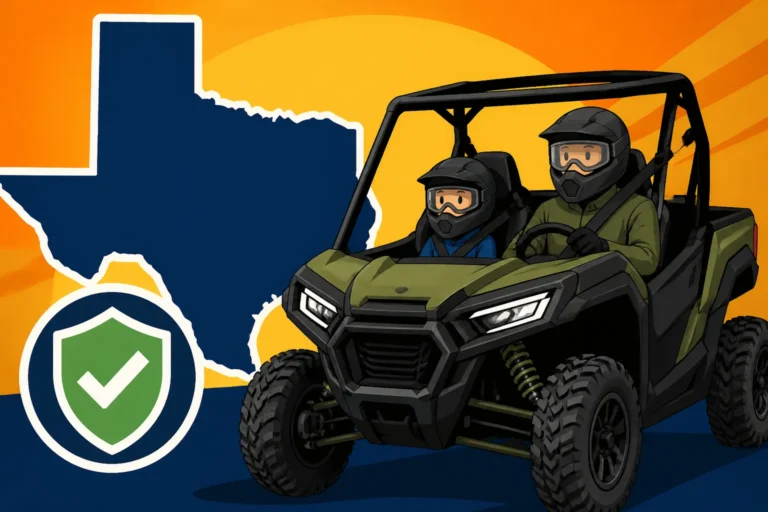
Let's cut right to the chase: generally speaking, if you're riding an OHV on public land or certain public roads in Texas, a helmet is required for anyone under the age of 18. This is a critical distinction, as it's not a universal mandate for all adult riders in every situation. The law specifically targets younger, often less experienced riders, recognizing their increased vulnerability. This requirement extends to both operators and passengers under 18. So, if your teenager is tearing up the trails, they absolutely need an approved helmet strapped on.
Think about a family outing to an OHV park like Barnwell Mountain Recreation Area or Hidden Falls Adventure Park. If you have kids or grandkids riding their youth quads or even as passengers in a UTV, ensuring they have helmets isn't just a suggestion—it's the law. Many of these parks also have their own rules that often mirror or even exceed state requirements, sometimes mandating helmets for all riders, regardless of age. Always check the specific park's regulations before you go, but for the state law, the under-18 rule is your primary guide for public land.
This legal framework is designed to provide a layer of protection for minors who may not yet fully grasp the risks involved in off-road riding or have the quick reflexes of an adult. It's easy for an exciting ride to turn dangerous, and a helmet is your child's first line of defense against serious injury. Even if you're an adult and legally not required to wear one in certain situations, it’s always a good practice to encourage helmet use for everyone, setting a strong example for younger riders.
Decoding "Approved Safety Helmet"
When the law says an "approved safety helmet," what exactly does that mean? It's not just any old bicycle helmet or construction hard hat. Texas law refers to helmets that meet specific safety standards, which are typically those set by organizations like the Department of Transportation (DOT). You'll often see a DOT sticker on the back of certified helmets. Other recognized standards include Snell or ECE, which are also excellent indicators of a high-quality, protective helmet.
These certifications mean the helmet has undergone rigorous testing to ensure it can withstand impacts, penetration, and chin strap retention. A cheap, uncertified helmet might offer a false sense of security but could fail catastrophically in an actual accident. Investing in a proper, certified off-road helmet designed for powersports is crucial. These helmets typically feature a sturdy outer shell, an impact-absorbing liner, and a secure retention system.
When you're shopping for a helmet, don't just pick the one that looks cool. Turn it over, look for the DOT, Snell, or ECE sticker. This ensures that the helmet provides the level of protection intended by safety standards. Brands like SuperATV, while primarily known for their accessories, often stock or recommend helmets that meet these rigorous standards, understanding that proper safety gear is just as important as the performance parts they sell. Remember, an "approved" helmet is one that has been proven to perform when it matters most.
Why the Law Matters: Safety and Liability
The helmet law isn't just about avoiding a ticket; it's fundamentally about safety and, by extension, liability. Head injuries are among the most severe consequences of OHV accidents, ranging from concussions to permanent brain damage. A properly worn, approved helmet can dramatically reduce the risk and severity of these injuries. For anyone under 18, the state has deemed this protection so vital that it's mandated by law.
Beyond the immediate safety concerns, understanding and adhering to the law has significant implications for liability. If a minor is injured while riding without a legally required helmet, the adult responsible for their supervision could face legal repercussions. This could involve fines, but more seriously, it could open the door to civil lawsuits if negligence is proven. It’s a harsh reality, but ignoring safety laws can have costly consequences, both in terms of human suffering and legal fees.
Furthermore, insurance companies often look at adherence to safety laws when processing claims. While [Texas ATV Insurance Requirement] for off-road use is generally not mandated by the state, if you do carry a policy, an insurer might question claims related to injuries sustained when safety laws were disregarded. Ultimately, the law is there to protect young riders, and by extension, to protect those who are responsible for them. Following it is a simple, effective way to reduce risk on multiple fronts.
Key Exemptions to Texas's General Helmet Rule
While the under-18 rule is a solid baseline, Texas law, like many others, recognizes that not all OHV riding scenarios are equal. There are specific exemptions where a helmet might not be legally required, even for minors. It’s vital to understand these nuances, not as an excuse to forgo safety, but to know the exact parameters of the law. Misinterpreting an exemption could still lead to fines or, worse, put someone at risk.
The Roll Cage Exemption: When a Structure Protects
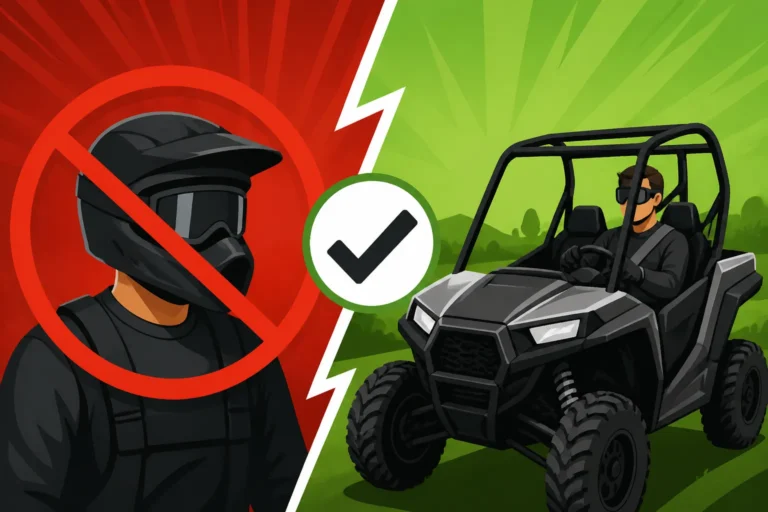
One of the most common points of confusion arises with UTVs, side-by-sides, and other vehicles equipped with factory-installed roll cages and seat belts. Texas law does offer an exemption: if an OHV is equipped with a roll bar or roll cage and an occupant is wearing a seat belt, a helmet is generally not required for that occupant, regardless of age. This applies to both the driver and passengers. This is a big reason why you often see adult UTV riders without helmets, even on public trails.
This exemption is based on the premise that the integrated safety structure of the vehicle, combined with seat belts, offers a substantial level of protection against head impacts during a rollover or collision. Many modern UTVs come standard with robust roll cages and three-point seat belts, effectively creating a safety cell for occupants. However, it's critical that the roll cage is factory-installed and that seat belts are worn. Aftermarket cages or custom fabrications might not meet the spirit of the law, and simply having a cage without buckling up negates the exemption.
This doesn't mean you're immune to injury in a UTV. While a roll cage significantly reduces the risk of impact with the ground or other objects, rapid deceleration, jostling, or impacts within the vehicle can still cause serious head injuries. So, while the law might not require a helmet in this specific UTV scenario, many experienced riders still opt to wear one, particularly during aggressive riding or in challenging terrain. [Texas Seat Belt Rules in a Side-by-Side] further emphasize the importance of using these integrated safety features.
Agricultural and Ranch Operations: Practical Exceptions
Texas is a vast state with a strong agricultural heritage, and OHVs are indispensable tools on farms and ranches. The law recognizes this practical reality by providing exemptions for OHVs used for agricultural purposes. When an ATV or UTV is being operated on private land for agricultural or timber operations, the helmet requirement typically does not apply. This is a crucial distinction for folks who rely on their machines for daily work.
Imagine a rancher checking fence lines, herding cattle, or hauling feed across their property. Requiring a helmet in every one of these work scenarios, especially in the relentless Texas heat, could be seen as an undue burden. The law essentially acknowledges that on private land, for specific work-related tasks, the owner or operator can determine their own safety protocols. This also aligns with [Texas Agricultural Exemption for ATVs on Roads], showing a consistent recognition of the utility of OHVs in agriculture.
However, this exemption has boundaries. It applies specifically to agricultural use on private land. If that rancher takes their ATV off their property and onto a public road, even briefly, for a non-agricultural errand, the general helmet rules might suddenly kick back in, especially if a minor is riding. Similarly, if they are using the ATV for recreation on private land, even if it's their own, the agricultural exemption doesn't necessarily apply to the helmet rule. It's about the purpose and location of the ride.
Private Land and Personal Property: Your Own Rules
The broadest exemption often comes down to where you're riding. Generally, if you are riding an OHV exclusively on private property with the owner's permission, Texas state helmet laws, and indeed most OHV laws, do not apply. On your own land, or land where you have explicit permission from the owner, you are largely free to set your own rules regarding helmets and other safety gear. This is where the concept of personal responsibility really takes center stage.
This is a significant factor for many Texans who ride exclusively on their sprawling ranches, deer leases, or large rural properties. They might have extensive trail systems or open areas for riding, and as long as they aren't venturing onto public roads or state-managed lands, they are not bound by the state's helmet requirements. Many families enjoy this freedom, teaching their children to ride without the immediate legal pressure of helmet mandates.
However, "not legally required" is vastly different from "not recommended." Even on private land, the risks of off-road riding remain the same. A tree stump, a sudden rut, or an unexpected turn can send a rider flying, and a head injury is just as serious regardless of whether it happened on public or private property. Many property owners, for their own peace of mind and to protect guests, still encourage or even require helmet use for everyone, especially for younger riders, to prevent accidents and potential liability issues. It's a prime example of where personal discretion should often lean towards maximum safety.
Specific Scenarios and How Helmet Rules Apply
The general rules and exemptions paint a broad picture, but real-world riding involves a myriad of specific situations. Understanding how Texas's helmet laws apply in these distinct contexts can prevent misunderstandings and ensure every ride is both fun and lawful. From managed parks to quick road crossings, each scenario has its own nuances.
Riding on Public Land and OHV Parks
When you head out to a designated OHV park or a public riding area managed by the state or federal government, such as the Sam Houston National Forest OHV Trail, you are definitely operating under Texas's public land rules. This means the baseline helmet requirement for anyone under 18 years old is firmly in effect. These parks are often patrolled by park rangers or law enforcement, who are keen to ensure safety regulations are being followed, especially concerning minors.
Beyond the state law, most public OHV parks and privately owned adventure parks in Texas have their own specific rules that often go further than state mandates. For example, many parks, including Barnwell Mountain, require all riders, regardless of age, to wear a helmet at all times while operating an OHV on their trails. They do this for a combination of liability protection and a genuine commitment to rider safety. If you show up with your 16-year-old and they don't have a helmet, they won't be allowed to ride, regardless of state exemptions related to roll cages.
It's crucial to consult the park's website or call ahead before your trip to understand their specific helmet policy. A day of riding can quickly be ruined if you arrive unprepared. Remember, these parks are trying to create a safe environment for everyone. Adhering to their rules, even if they seem stricter than state law, is a condition of entry and helps ensure everyone has a good time without incident. [Where to Ride an ATV in Texas] often comes with a list of rules unique to each location.
Crossing Public Roads: Brief but Important Moments
Even if you primarily ride on private land, there might be times when you need to briefly cross a public road to get from one section of your property to another, or to access an adjacent trail. These fleeting moments on public roads are where OHV laws, including helmet rules, can suddenly apply, even if your main riding area is exempt. Texas law generally prohibits OHVs on public roads, but there are specific, limited exceptions, such as crossing at an intersection or riding on certain low-speed roads in designated areas.
If you are operating an OHV on a public road, even for a short distance or just to cross, any rider or passenger under 18 must wear an approved safety helmet. This is because, at that moment, you are technically operating the OHV on a public thoroughfare, bringing you under the umbrella of public road rules. While the primary focus of [Texas Rules for Getting Across a Road] might be about safe crossing procedures, helmet use for minors is an integral part of that public safety consideration.
It's easy to think "it's just a quick hop," but accidents can happen in an instant, especially when interacting with other vehicle traffic. Therefore, always ensure that minors are helmeted during these brief excursions. For adults, if the OHV has a roll cage and you're belted in, the exemption might still apply depending on the specific circumstances and local ordinances, but for quads or other machines without a roll cage, the general recommendation for all ages on public roads is always to wear a helmet. Better safe than sorry, especially when sharing the asphalt.
Master Planned Communities and Special Districts
Texas is home to many master-planned communities and special districts, particularly in suburban and exurban areas, that sometimes create their own local ordinances regarding OHV use, including helmet requirements. These communities often have designated internal roads or common areas where golf carts, NEVs, and sometimes even UTVs are permitted for local travel. While these might feel like private roads, they are often considered public access within the community, making local and state laws potentially applicable.
For instance, some master-planned communities might permit golf carts and UTVs on their internal streets that have speed limits of 35 mph or less. In these specific circumstances, [Texas Rules for Riding in a Master Planned Community] dictate the conditions. If a community permits UTVs, and they have factory-installed roll cages and occupants are belted, the helmet exemption generally applies. However, if an ATV is allowed (which is less common on community streets) and a minor is riding, a helmet would be required.
The key here is local ordinances. What one master-planned community allows, another might strictly forbid. Always check with the community's homeowners association (HOA) or local municipal government for their specific rules regarding OHV use, including helmet requirements. These local rules can often be more restrictive than state law. Disregarding them could lead to fines, loss of riding privileges within the community, or even being cited by local law enforcement.
Beyond the Law: Why Helmets Are Always a Good Idea
While understanding the legal requirements is crucial for compliance, true safety goes beyond just checking boxes. Even in situations where Texas law doesn't explicitly mandate a helmet, there are compelling reasons why every rider, regardless of age or experience level, should consider wearing one. The off-road environment is inherently unpredictable, and a helmet is the single most effective piece of gear for protecting your most vital organ.
The Unpredictable Nature of Off-Road Riding
Unlike driving a car on a paved road, off-road riding is full of surprises. Terrain can change in an instant, from loose gravel to sticky mud, from gentle slopes to sudden drops. Hidden roots, rocks, ruts, and unexpected obstacles are par for the course. Even an experienced rider can misjudge a turn, hit an unseen obstacle, or lose traction on slippery ground. These unpredictable elements make every off-road ride a dynamic and potentially hazardous experience.
Consider a seemingly innocuous trail ride in East Texas. You're cruising along, enjoying the piney woods, when suddenly, a fallen branch snags your front wheel, or you hit a soft patch of mud that sends you sideways. In that split second, you could be thrown from your machine, or your head could strike the ground, a tree, or even a part of your own vehicle. These aren't just "what ifs"; they are common occurrences in the world of off-road riding.
A helmet acts as your primary defense in these unpredictable moments. It absorbs and disperses impact energy that would otherwise be concentrated on your skull. Waiting until you have a close call to start wearing one is often too late. Proactive safety measures, like consistent helmet use, acknowledge the inherent risks and provide a layer of protection that no amount of skill or caution can fully replace.
Preventing Traumatic Brain Injuries
The most critical reason to wear a helmet, beyond legal mandates, is the prevention of traumatic brain injuries (TBIs). TBIs can range from mild concussions to severe, life-altering damage that affects cognitive function, motor skills, and even personality. The forces involved in an OHV crash are often substantial, and the human skull, while tough, is not designed to withstand such impacts without protection.
An off-road helmet is specifically engineered to mitigate these forces. The hard outer shell spreads the impact over a wider area, while the thick, energy-absorbing EPS (Expanded Polystyrene) foam liner crushes to dissipate the remaining energy before it reaches your brain. This intricate design process significantly reduces the risk of skull fractures, contusions, and the rotational forces that cause diffuse axonal injury—a particularly devastating type of TBI.
Even a "minor" fall or bump to the head can have long-term consequences. Repeated concussions, for example, are increasingly linked to serious neurological issues later in life. By consistently wearing an approved helmet, you are not just protecting yourself from a visible injury; you are safeguarding your brain's health and your future well-being. This is where investing in quality gear truly pays off, potentially preventing a lifetime of struggle after a single incident.
Setting a Good Example, Especially for Youth
As adult riders, we have a responsibility to set a positive example, especially for the younger generation who look up to us. Children and teenagers are highly impressionable, and if they see adults riding without helmets, they are much more likely to adopt that same habit, even if the law requires them to wear one. This isn't just about compliance; it's about fostering a culture of safety.
If you ride with your children, nieces, nephews, or any young person, consistently wearing your own helmet sends a clear, powerful message: safety is paramount. It reinforces the idea that helmets aren't just for kids, or just for when "the law says so," but for everyone who cares about their well-being. It legitimizes the importance of safety gear in their eyes and helps instill good habits that could save their lives one day.
This leadership role extends beyond direct supervision. When you’re at an OHV park, other riders—especially young ones—are watching. Your actions contribute to the overall safety culture of the riding community. By always donning an approved helmet, you're not just protecting yourself; you're actively promoting a safer environment for all [Texas Rules for Riders Under 14]. This ripple effect of responsible riding can have a far-reaching and positive impact on the sport.
Choosing the Right Helmet and Essential Gear
Deciding to wear a helmet is the first step; choosing the right helmet and complementary safety gear is the next. Not all helmets are created equal, and proper fit is just as important as the helmet's construction. Equipping yourself fully ensures you're ready for whatever the trail throws at you.
Types of Helmets for ATV and UTV Riding
When you step into a powersports store or browse online, you'll quickly realize there's a huge variety of helmets. For ATV and UTV riding, the most common and recommended types are typically full-face off-road helmets.
- Off-Road/Motocross Helmets: These are easily identifiable by their pronounced visor, extended chin bar, and open eye port. The visor helps block sun glare and roost from other riders, while the extended chin bar provides crucial protection for your face and jaw, an area vulnerable in off-road crashes. The open eye port is designed to be worn with goggles, which are essential for eye protection. This style offers excellent ventilation, which is a huge plus in the Texas heat. Many riders feel the most comfortable and protected in this type of helmet, especially for aggressive trail riding.
- Dual-Sport Helmets: A hybrid between off-road and street helmets, dual-sport helmets offer a blend of features. They often have a visor like an off-road helmet, but also a full face shield like a street helmet. This versatility can be appealing if you sometimes ride on paved roads (where legal) but primarily hit the dirt. They might offer slightly less ventilation than a dedicated off-road helmet but more convenience with an integrated shield.
- Full-Face Street Helmets: While they offer excellent protection for road use, typical street helmets are generally not ideal for off-road riding. Their ventilation is usually insufficient for strenuous trail activity, and the fixed visor can obstruct vision when looking through steep ascents or descents. The aerodynamics are also designed for speed, not trail dust and mud.
When choosing, prioritize an off-road specific helmet from a reputable manufacturer. Brands that focus on powersports like SuperATV understand the demands of the environment and often carry or recommend helmets from leading safety gear companies that meet the necessary DOT, Snell, or ECE standards.
The Importance of a Proper Fit
A helmet can be the most expensive, highly rated piece of safety gear on the market, but if it doesn't fit correctly, it won't protect you. A poorly fitting helmet can shift during an impact, exposing your head, or it can be so uncomfortable that you're tempted not to wear it at all. Getting the fit right is absolutely critical.
Here’s how to check for a proper fit:
- Measure Your Head: Use a cloth tape measure to find the circumference of your head, just above your eyebrows and ears. This will give you a starting point for size charts.
- Try It On: When you put on the helmet, it should feel snug all around your head, with no pressure points. It should be difficult to put on, almost like squeezing your head in, but once it's on, it shouldn't feel painfully tight.
- Check for Movement: With the chin strap securely fastened (but not painfully tight), try to move the helmet from side to side and up and down. Your scalp should move with the helmet; the helmet shouldn't slide independently on your head. If it wiggles too much, it's too big. If it causes painful pressure points, it might be too small or the wrong shape for your head.
- Field of Vision: Ensure the helmet doesn't obstruct your peripheral vision, and that you can comfortably see through your goggles (if applicable).
Remember that helmet padding will compress slightly over time, so a new helmet should feel quite snug. It should never be so loose that it can twist freely or come off with a hard tug. Don't be shy about spending time in the store trying on different brands and sizes until you find the perfect fit. Your brain will thank you for it.
Other Vital Safety Gear: Eye Protection and More
While the helmet is paramount, it's just one piece of the safety puzzle. For off-road riding, several other items are crucial for comfort and protection:
- Eye Protection (Goggles): If you're wearing an off-road helmet with an open eye port, high-quality goggles are non-negotiable. They protect your eyes from dust, dirt, branches, insects, and projectiles kicked up by other riders. Look for goggles with good ventilation to prevent fogging, a wide field of vision, and a comfortable fit with your helmet. Even if your UTV has a windshield, dust and debris can still get in, making goggles a smart choice.
- Gloves: Riding gloves protect your hands from blisters, abrasions, and impacts with branches or falls. They also improve your grip on the handlebars, which is essential for control.
- Long Sleeves and Pants: Even on hot days, long sleeves and pants (preferably made of durable, tear-resistant material) offer protection against scrapes, cuts, and minor burns from exhaust pipes. Denim jeans and a sturdy long-sleeved shirt are a minimum, but dedicated riding gear offers superior protection and ventilation.
- Over-the-Ankle Boots: Sturdy boots protect your feet and ankles from impacts, crushing injuries, and hot engine parts. Hiking boots are better than sneakers, but purpose-built riding boots offer the best protection.
- Chest Protectors and Knee Pads: For more aggressive riding or for younger, more vulnerable riders, chest protectors and knee pads offer additional impact protection for the torso and joints. While not always legally required, they can make a significant difference in preventing serious injuries during a fall.
Together, these items create a comprehensive safety system that minimizes risk and allows you to focus on enjoying the ride. [Texas Eye Protection Requirement for Riders] clearly outlines the need for proper eyewear, reinforcing the importance of protecting your vision on the trails.
Enforcement, Penalties, and Youth Rider Considerations
Ignoring Texas's helmet laws can lead to more than just a stern talking-to. There are specific penalties for non-compliance, and the rules are particularly stringent when it comes to youth riders. Understanding these consequences and the broader framework for young riders is essential for every responsible adult.
What Happens if You're Caught Without a Helmet
If you or a minor under your supervision is caught riding an OHV on public land or a public road without a legally required helmet, you could face a citation. In Texas, violating an OHV safety law, such as the helmet requirement for minors, typically falls under a Class C misdemeanor. While these are generally the lowest class of criminal offenses, they still carry consequences.
A Class C misdemeanor usually results in a fine. While I cannot state specific current amounts, these fines can range from a nominal fee up to several hundred dollars. Additionally, you might incur court costs. Beyond the immediate financial hit, there’s the inconvenience of dealing with the citation, which could involve a court appearance. It’s not just a slap on the wrist; it’s a formal legal process.
Furthermore, if you're riding at an OHV park, being cited for a helmet violation could lead to being ejected from the park or even having your riding privileges suspended for a period. Park staff and law enforcement take these rules seriously, not just for compliance but to maintain a safe environment for all visitors. The easiest way to avoid these headaches is simply to comply with the law and always wear a helmet when required.
Specific Rules for Young Riders and Passengers
Texas law places particular emphasis on the safety of young riders, and this extends beyond just helmet requirements. For any rider under the age of 14, there are specific supervision requirements. While the helmet law focuses on those under 18 for public lands, the broader safety certificate requirements apply to those younger.
Specifically, any child under the age of 14 operating an OHV must be under the direct supervision of an adult who is at least 18 years old and who also holds a valid OHV safety certificate. This certificate is required for anyone born on or after January 1, 1999, who operates an OHV on public land or certain public roads. So, a minor needs a helmet, but if they're under 14, they also need a certified adult literally watching over them. [What Texas Requires of Riders Under 14] details these regulations.
This dual requirement—helmet for minors and supervised certification for younger riders—underscores the state's commitment to protecting its youngest and most vulnerable riders. It's not enough to simply hand a child a helmet; an adult must actively ensure their safety and guide them in responsible riding practices. This goes back to the concept of setting a good example and fostering safe habits from a young age.
The Role of Supervision and Safety Certificates
The legal framework for youth OHV riding in Texas heavily relies on adult supervision and education. The requirement for adults to hold an OHV safety certificate when supervising young riders (or for themselves, if born after a certain date) ensures that the supervising adult has a foundational understanding of safe OHV operation. This isn't just about knowing how to ride; it's about understanding the risks, the rules, and how to respond in an emergency.
Finding a certified safety course is straightforward. The [Texas Department of Licensing and Regulation] oversees these programs, and you can usually find approved RiderCourse schools across the state. These courses cover everything from basic machine operation and control to hazard awareness and responsible riding ethics. They are designed to equip riders with the knowledge and skills to minimize risks on the trail.
Ultimately, adult supervision and education are the cornerstones of youth OHV safety. While a helmet provides critical physical protection, an educated and attentive adult provides the judgment, guidance, and immediate intervention that can prevent accidents in the first place. Pairing proper gear with proper training and supervision creates the safest possible environment for young riders to enjoy the thrill of off-roading responsibly.
Disclaimer
This article is for general informational purposes only and does not constitute professional advice. Laws, prices and regulations vary by location and change over time. Consult a qualified professional for guidance on your specific situation.