Texas Rules for a Child in a Side-by-Side
Bringing your kids along for an adventure in a side-by-side is one of the joys of owning an off-highway vehicle in Texas. Whether you're exploring vast ranch land, heading to a deer blind, or just zipping around a private property, the family memories are priceless. However, as any responsible parent knows, safety comes first, and the rules around carrying children in UTVs, especially when you venture onto public access roads or certain parks, can feel like a tangled mess of regulations. This guide will untangle the specific Texas rules for having a child as a passenger in your side-by-side, helping you navigate the legal landscape and prioritize their safety.
Understanding Texas's General Rules for UTV Passengers
Before we dive into the specifics for children, it's important to grasp the foundational rules that apply to any passenger in a side-by-side in Texas. The state takes OHV safety seriously, and while UTVs offer a more stable and often more comfortable ride than traditional ATVs, they are not exempt from thoughtful consideration regarding passenger safety.
The Legal Definition of a Side-by-Side Passenger
In Texas, when we talk about passengers in a side-by-side, the law generally focuses on a few key elements: where they are sitting, how they are secured, and whether the vehicle is designed for multiple occupants. Unlike a single-rider ATV where carrying any passenger is often prohibited or highly restricted, UTVs (or ROVs, as Texas often refers to them) are explicitly designed for multiple occupants, usually seated side-by-side, hence the name. This design intent is crucial, as it sets the stage for how passengers, including children, are legally accommodated. The law implicitly acknowledges the UTV's capability to carry more than just the operator, but it then layers on requirements to ensure that carrying capacity is used safely.
A passenger, in this context, is anyone other than the operator who is being transported by the machine. This might seem obvious, but it’s important because the rules regarding seating and restraints specifically apply to these individuals. The moment someone other than the driver is in the machine, they become a passenger, and Texas law dictates how they must be secured, particularly in terms of seating and seat belts. This distinction helps to clarify that merely being on the machine in an undesignated spot, like standing in the bed, is not only unsafe but also illegal.
Seat Belt and Seating Requirements for All Passengers
Texas law is quite clear: if a side-by-side is equipped with seat belts by the manufacturer, they must be used by all occupants when the vehicle is in operation. This isn't just a suggestion; it's a legal requirement. This means that every passenger, regardless of age, must be secured by an available seat belt system. The UTV's design often includes a seat for each passenger position, complete with a seat belt, whether it's a lap belt or a three-point harness. Ignoring these built-in safety features is a direct violation of state law and, more importantly, a severe risk to safety.
Think about it like this: you wouldn't let your child ride in a car without a seat belt, and the principle is identical for a UTV. The forces and potential hazards involved in off-road riding, from sudden stops to unexpected bumps or even rollovers, necessitate the securement offered by seat belts. Many modern side-by-sides come with robust safety cages and advanced seat belt systems, often even better than older car-style belts, but their effectiveness depends entirely on them being properly worn. For more on this, you might find [Texas Seat Belt Rules in a Side-by-Side] helpful.
Why Manufacturer-Designed Seating Matters
The emphasis on "manufacturer-designed seating" is paramount. This isn't just about having a place to sit; it's about having a place engineered for safety. The law requires that passengers, especially children, occupy seats that were specifically intended by the manufacturer for passenger use. This means no riding on fenders, on the operator's lap, or standing in the cargo bed. These areas are not designed to protect occupants in the event of a sudden stop, collision, or rollover.
Manufacturer-designed seating ensures that the seat itself, along with its associated restraints, is integrated into the vehicle's safety structure. Aftermarket seating can be great, but it must be properly installed and meet safety standards. Many riders choose to upgrade their UTVs with enhanced safety features, such as those from SuperATV, which offers various accessories, including harnesses and seating solutions that can provide added security beyond basic factory setups. However, even with upgrades, the core principle remains: the seating must be designed for human occupancy and secured within the vehicle's frame. This rule exists to prevent occupants from being ejected from the vehicle or sustaining injuries from being thrown around inside the compartment.
Specific Rules for Child Passengers in Texas UTVs
When it comes to the youngest passengers, Texas layers on additional considerations. While there isn't a hard-and-fast "minimum age to be a passenger" in the same way there might be for operating an OHV, the rules strongly emphasize physical fit and the ability to be properly secured.
Minimum Age and Physical Requirements
This is where it can get a little nuanced. Texas law doesn't explicitly state a minimum age for a child to be a passenger in a side-by-side. Instead, the focus shifts to whether the child can be safely secured by the UTV's seat belt system and whether they can reach and keep their feet on the floorboards. This is a critical distinction because it recognizes that children grow at different rates. A small six-year-old might not be able to sit upright with their feet on the floor and be properly restrained, while a larger six-year-old might.
The ultimate responsibility falls on the adult operator to make this judgment call. If a child is too small for the seat belt to fit snugly across their chest and hips, or if their feet dangle and cannot reach the floor, they are not safely secured. In such cases, the child is essentially "swimming" in the seat belt, which renders it ineffective during sudden movements or impacts. For very young children, this might mean they simply aren't ready to be passengers in a UTV. There's no legal age, but there's a practical safety requirement: the child must fit the vehicle's safety equipment.
The Role of Helmets and Protective Gear for Children
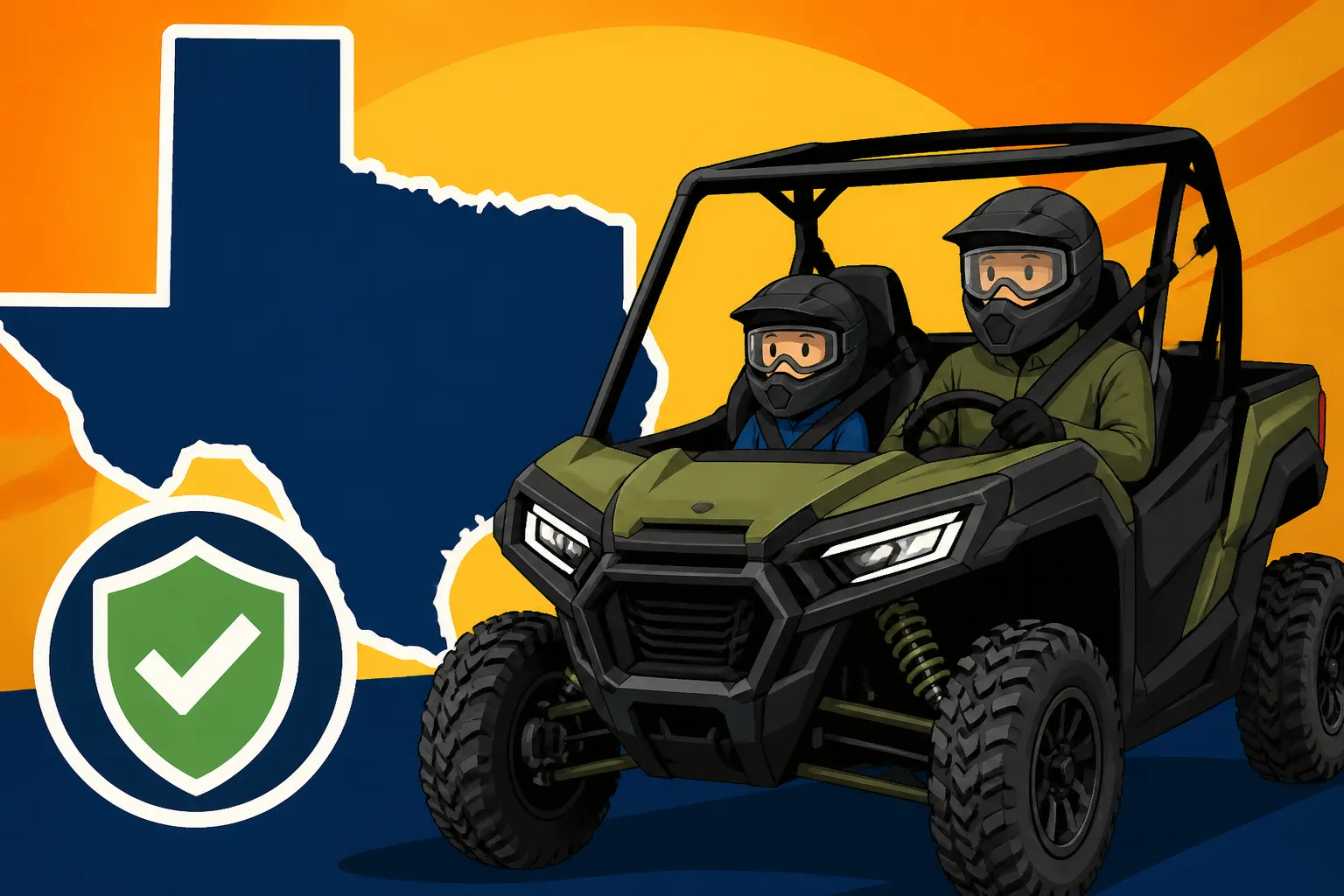
While Texas law for UTVs doesn't mandate helmets for all occupants on private land, it's a different story when operating on public roads or in specific OHV parks. More importantly, when carrying children, a helmet should be a non-negotiable piece of safety equipment, regardless of where you're riding. A child's head is particularly vulnerable, and even a low-speed tip-over can result in serious injury. Many parks and recreational areas in Texas will require helmets for all riders, including passengers, so it's best practice to always have one for your child.
Beyond helmets, appropriate protective gear for children includes eye protection (goggles are a must!), long sleeves, long pants, gloves, and sturdy closed-toe shoes that cover the ankles. This gear protects against flying debris, branches, sun exposure, and abrasion in case of a fall. The exhilaration of riding can sometimes overshadow the inherent risks, but a child's delicate skin and bones need all the protection they can get. Remember, the goal is to make the ride fun and safe, and that starts with proper gear. You can find more general information about rider protection in [Texas Helmet Law for UTV Drivers] and [Texas Eye Protection Requirement for Riders].
Riding on Public vs. Private Land with Kids
The legal landscape shifts dramatically depending on where you're riding your side-by-side in Texas. Most of the explicit rules and restrictions regarding UTV operation, including passenger rules, come into play when you venture onto public lands or roads.
On private land, such as your own ranch or a friend's property, the state's OHV laws generally take a backseat to property owner rules and common sense. While the state doesn't typically enforce helmet or specific passenger age rules on private land, it's still crucial for parents to adhere to the safest practices. The dangers of a rollover or collision are just as real on private property as they are on a public trail. Always use seat belts, ensure children are properly fitted and restrained, and ideally, have them wear helmets and protective gear. The absence of a state mandate doesn't negate the risk.
When you're on public roads or designated OHV parks, the rules become much more stringent. For instance, some county roads in Texas may be open to UTVs under specific conditions, often requiring operators to be licensed and passengers to meet specific safety criteria. Many organized OHV parks have their own rules which often mirror or even exceed state minimums, requiring helmets for all occupants, regardless of age, and strict adherence to seat belt use. Before heading out, it's vital to check the specific regulations for the park or public access area you plan to visit. Understanding [Texas Rules for Riding on a Ranch Road] can offer some insight into scenarios that often involve private land use, which might be less regulated, but the best practice is always to err on the side of caution.
Ensuring Safety Beyond the Law for Young Riders
While knowing and following the law is essential, true safety for children in a side-by-side goes above and beyond legal minimums. It's about instilling a culture of safety, preparing both the vehicle and the riders, and making informed decisions.
Pre-Ride Checks and Vehicle Preparation
Before every ride, especially when children are coming along, a thorough pre-ride check of your UTV is non-negotiable. This isn't just about making sure it starts; it's about ensuring every safety system is in perfect working order. Check all seat belts and harnesses for fraying or damage, and make sure they buckle and unbuckle smoothly. Inspect the integrity of your roll cage for any cracks or bends. Verify that doors (if equipped) latch securely. Are all tires properly inflated? Are the brakes responsive? Is there enough fuel for your planned excursion?
Consider adding safety enhancements. While a stock side-by-side meets manufacturing standards, aftermarket accessories can often bolster safety. For example, some parents opt for five-point harnesses instead of standard three-point belts for their children, which can offer superior restraint. Reinforcing roll cages or adding door nets can also provide additional peace of mind. SuperATV, for instance, offers a range of UTV accessories that cater to both performance and safety, including full doors and sturdy windshields that can offer added protection against trail hazards. This proactive approach ensures that the vehicle itself is as safe as possible for your precious cargo.
Educating Children on UTV Safety Etiquette
Children are naturally curious and excited, but they need to understand that a side-by-side is not a toy. Before every ride, take a few minutes to review safety etiquette with them. Teach them to always keep their hands and feet inside the vehicle, even when stopped. Explain why staying seated and secured is so important. Talk about the "no sudden movements" rule and how they should brace themselves over bumps. Empower them to speak up if they feel unsafe or notice something concerning.
Make it a habit for them to participate in the pre-ride check in an age-appropriate way – perhaps by helping to check the tire pressure or ensuring their own helmet is buckled correctly. This involvement helps them understand the importance of safety and takes ownership of their part in a safe ride. For older children, you might even consider enrolling them in an OHV safety course. While not strictly required for passengers, understanding vehicle dynamics and general off-road safety, as detailed in resources like [Texas OHV Safety Certificate Requirements], can be invaluable. Even if they're not operating, knowing what to expect from the machine and the terrain can significantly enhance their safety as a passenger.
When to Seek Professional Safety Training for the Family
For families who frequently ride side-by-sides, professional safety training can be one of the best investments you make. While there isn't a specific course just for UTV passengers, general OHV safety courses often cover crucial principles that apply to all occupants. These courses typically teach proper riding techniques, hazard awareness, basic vehicle maintenance, and emergency procedures. Many are hands-on, providing real-world experience in a controlled environment.
Even if only one adult takes the course, the knowledge gained can be shared with the entire family. It helps develop a more systematic approach to risk assessment and mitigation. The Texas Parks and Wildlife Department, or organizations like the ATV Safety Institute, offer various courses that can significantly improve your family's safety knowledge and skills. It’s also important to consider if your child will ever be old enough or skilled enough to operate an OHV themselves. If so, taking a certified course as soon as they meet the minimum age for [What Texas Requires of Riders Under 14] will set them up for a lifetime of responsible riding. Investing in safety education isn't just about compliance; it's about fostering confidence and ensuring years of enjoyable, accident-free adventures.
| Aspect | Texas Rules (General) | Best Practice (Children) |
|---|---|---|
| Seating | Manufacturer-designed seating required for all passengers. | Only use manufacturer-designed seating. Ensure child fits securely. |
| Seat Belts | Required if factory-installed. Must be properly worn. | Always use seat belts. Consider aftermarket harnesses if child doesn't fit standard. |
| Helmet | Generally required on public roads/parks; not always private. | Always wear a properly fitted, DOT-approved helmet for children. |
| Eye Protection | Recommended on public roads/parks; not always private. | Always use goggles or a full-face helmet with visor. |
| Age/Size | No explicit minimum age, but must be properly secured. | Child must be able to sit upright, reach floorboards, and be secured by seat belt. |
| Protective Gear | Recommended for all riders. | Long sleeves, long pants, gloves, over-ankle boots strongly recommended. |
| Public vs. Private | More stringent rules on public roads/parks. | Maintain highest safety standards regardless of location. |
Disclaimer
This article is for general informational purposes only and does not constitute professional advice. Laws, prices and regulations vary by location and change over time. Consult a qualified professional for guidance on your specific situation.