Why a Gate Price Is Higher
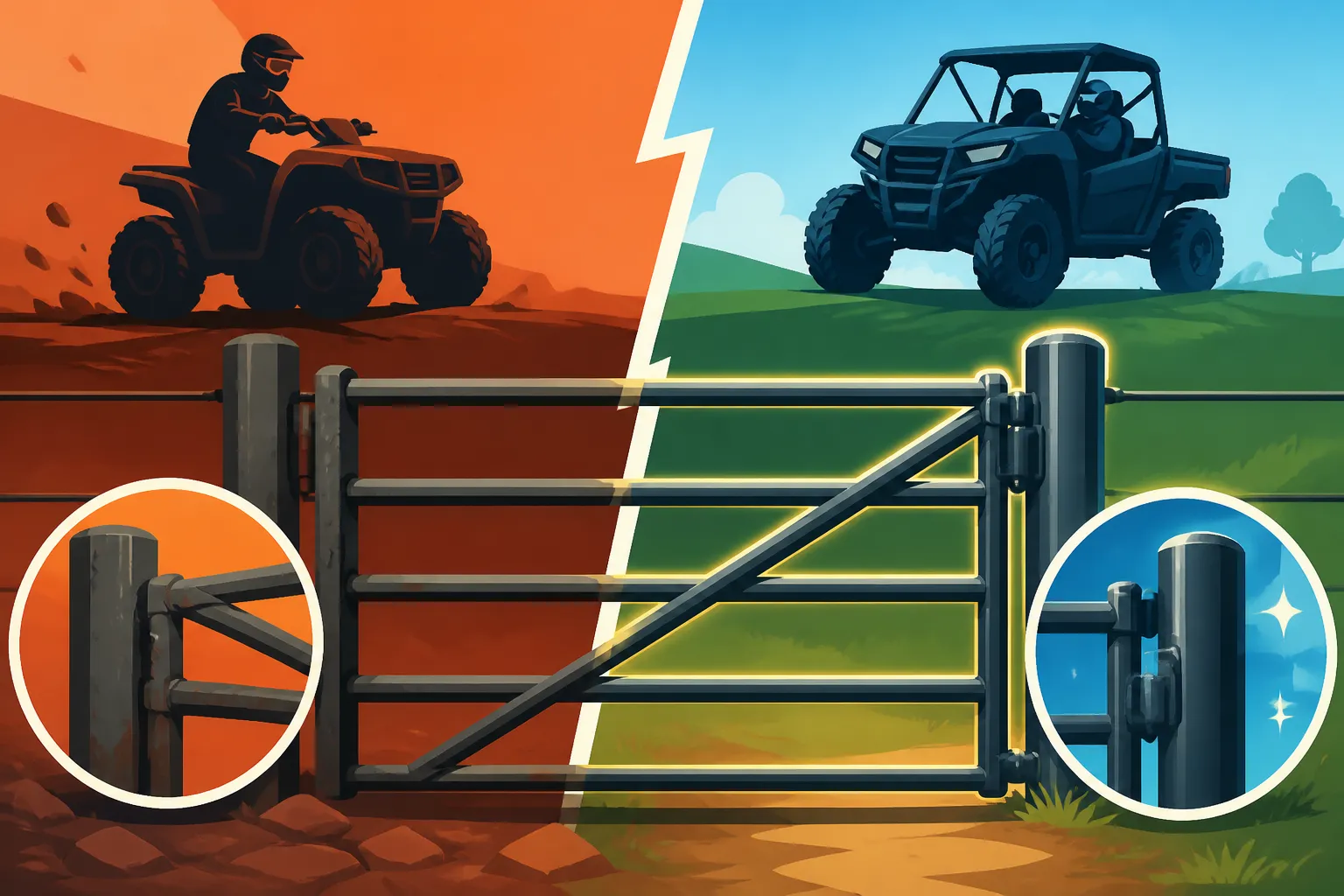
A higher price at an OHV park gate can make a Texas ride feel more expensive than expected. The difference may be the Texas OHV decal’s purchase channel, not a penalty or an extra vehicle registration. Knowing what the decal covers—and what it does not—helps you budget, compare options, and avoid surprises at check-in.
What the higher gate price usually means
Texas OHV decals may be available through more than one sales channel, including in advance and at some park gates. The amount charged at a gate can be higher than the amount charged through another channel. That difference is a retail price difference for buying there; it does not automatically mean you are paying a fine or buying a different kind of decal.
The decal is tied to riding on certain public lands, rather than being a general permit for every Texas trail or a replacement for a park’s own admission rules. Requirements depend on the land and the specific riding area. If a location requires the state OHV decal, buying it at the gate may be convenient, but convenience can come with a higher price.
The amount can change, so do not rely on an old receipt, a price quoted in a forum, or a past trip’s total. Check the current price and accepted purchase options with the park or the relevant official sales channel before leaving home. For the broader requirement, see The Texas OHV Decal Requirement Explained.
A gate purchase can still be a sensible choice. It may help if you decide to ride at the last minute, are visiting from out of state, or would rather handle the requirement at the entrance. But if you know you are going, checking ahead can help you see whether buying in advance is available and how much it costs now.
The gate price is not automatically a separate park fee
Look at what the posted amount is for. It may be the cost of a decal sold at the gate, a day-use charge, park admission, or more than one item together. Those are not interchangeable. A higher total at check-in does not, by itself, show that the park charged twice for the same thing.
Ask for an itemized explanation if the total is unclear. In particular, confirm whether the gate is selling you a decal, charging for entry, collecting a day-use fee, or requiring another park-specific permit. Some locations have their own rules and charges in addition to the state decal requirement. Texas Decals Sold at a Park Gate explains the gate-sale issue in more detail.
| What you may pay for | What it generally covers | What to check |
|---|---|---|
| Texas OHV decal | The decal requirement where it applies | Whether the riding area requires it and which machines need one |
| Park admission or day use | Entry or use of a particular recreation area | Whether the charge is separate from the decal |
| Park-specific permit or fee | A location’s own access or operating rules | Whether it is required, how it is issued, and whether it is included in a booking |
| Penalty | A consequence for violating a rule | Whether an actual violation occurred; a higher retail price alone is not a penalty |
Why buying at the gate can cost more
The practical explanation is that the same requirement can be sold through different channels at different prices. A gate is a convenient point of sale for riders who arrive without a decal or decide to go riding on short notice. The park or sales location may charge a higher amount there than another official sales route.
That does not mean every park sells decals, every gate has them in stock, or every park uses the same price. Nor should you assume the gate price is simply the standard state price plus a clearly itemized service charge. The amount and how it is presented can vary. Check directly with the location you plan to visit.
A gate purchase can save a separate errand or online transaction, but it may also take time. If a busy park has a line, you could wait to buy the decal before you can proceed. Buying ahead, where offered, may reduce that uncertainty. On the other hand, advance purchase is not helpful if you choose the wrong decal or misunderstand whether the site requires one.
Convenience has a trade-off
The higher price is easiest to assess when you compare the full cost and effort of each option. Consider the trip, the park’s sales arrangements, and whether you already know which machine you will bring. A small difference may be worth paying to handle everything at the entrance. If you ride often, or are coordinating a group, checking the purchase options beforehand can make planning easier.
Do not assume that buying a decal online guarantees the park will let you ride without any further check-in. The park may still collect its own fees, ask you to show documentation, or apply separate operating rules. Confirm the park’s instructions, especially if you are booking a day, camping, or bringing multiple machines. Where to Buy a Texas OHV Decal covers the main purchase routes.
What the decal does and does not cover
The Texas OHV decal is not a universal pass to ride anywhere in the state. Its requirement is connected to particular public lands and program rules. Private land, public land, and a privately operated park can have different access conditions. A decal does not grant permission to enter land, override a closure, or make a machine legal to ride on a public road.
The decal also is not the same as a title or an OHV plate. Texas titling and plate requirements address the machine’s paperwork, while the decal relates to riding access where it is required. A titled machine is not automatically cleared to ride on every public trail, and a decal does not serve as a road registration. For the distinction between the sticker and land-access rules, see Where a Texas OHV Decal Is Required and Why Private Land Needs No Texas Decal.
The decal is generally associated with the machine, not each person in the riding group. If you bring several machines, do not assume one decal covers them all. Confirm the requirement for every machine you plan to ride. A group using a borrowed machine should check that machine’s decal status rather than relying on another rider’s decal. The park may also have separate rules for passengers, children, permits, or safety documentation.
Out-of-state visitors should check before travel
A rider coming from another state should not assume an out-of-state sticker, registration, or safety document replaces every Texas requirement. Reciprocity can depend on the particular document and rule. Texas may require its own OHV decal for riding at a location where the decal applies, even when the rider already has an authorization from home.
This is especially important if you plan to buy at the gate. Confirm that the location sells decals, accepts your planned payment method, and has the right decal available for your machine. Also ask whether the park requires anything else. Nonresidents and the Texas Decal and Texas Reciprocity and Why It Is One-Sided explain why visitors should verify the Texas requirement rather than rely on assumptions about reciprocity.
How to avoid a surprise at check-in
A little planning can prevent confusion over whether a higher total is for the decal or for something else. Before the trip, check the specific park’s current rules and the current decal price through the purchase channel you intend to use. If the park website lists several charges, identify which apply to your machine and which apply to each rider or vehicle.
Use this checklist:
- Confirm that the decal is required at your destination. Requirements depend on the land and riding area. A Texas decal is not automatically required everywhere, and a park’s own access rules may still apply.
- Check the current price and purchase options. Compare buying ahead with buying at the gate. Ask the park if the information online is unclear or appears outdated.
- Separate the charges. Ask whether a posted amount is for the decal, admission, day use, or a park-specific fee.
- Count the machines. Confirm which machines need their own decal instead of assuming one purchase covers the group.
- Bring proof of purchase if available. Follow the park’s instructions for displaying or showing the decal and any receipt or confirmation.
- Check other riding requirements. A decal does not replace safety, land-access, or machine-specific rules.
If you ride several times during the decal period, buying ahead may make future trips easier, but it does not remove the need to check whether the decal remains valid or whether a particular location has additional charges. See A Texas Decal Year From September to August for how the decal period works, and When a Texas OHV Decal Expires for the expiration question.
If you arrive without a decal, ask the gate staff what the quoted price includes before paying. A clear question—“Is this the decal price, the park entry fee, or both?”—can resolve most confusion. Keep the receipt and follow the instructions for attaching or presenting the decal. If the park does not sell it, ask which purchase option is accepted and whether you can complete that step before entering the riding area.
The key point is simple: a higher gate price can reflect where you buy the decal, while separate park charges may still apply. Verify the current amount and the destination’s rules before you travel so the gate total is not a surprise.
Disclaimer
This article is for general informational purposes only and does not constitute professional advice. Laws, prices and regulations vary by location and change over time. Consult a qualified professional for guidance on your specific situation.