Texas Rules for Getting Across a Road
It's a familiar scenario for many of us who love our ATVs and UTVs out here in Texas: you've got a chore to do on the back forty, or maybe you need to hop over to a neighbor's place, but there's a pesky public road standing right in your way. You know you can't just cruise down the highway, but what about just getting across it? The rules can feel like a tangled mess, leaving you wondering if you're risking a ticket every time you cross the blacktop. This guide is here to untangle those Texas rules for you, specifically focusing on how you can legally and safely get your off-highway vehicle from one side of a road to the other.
The Strict Stance on OHVs and Texas Roads
Texas has a pretty clear, and often frustrating, stance when it comes to off-highway vehicles (OHVs) and public roads. Unlike some other states that might offer extensive "street legal" conversion options, Texas draws a firm line in the sand. This distinction is crucial to understand before you even think about putting a tire on a paved road.
Why Texas Rarely Allows OHVs on Paved Surfaces
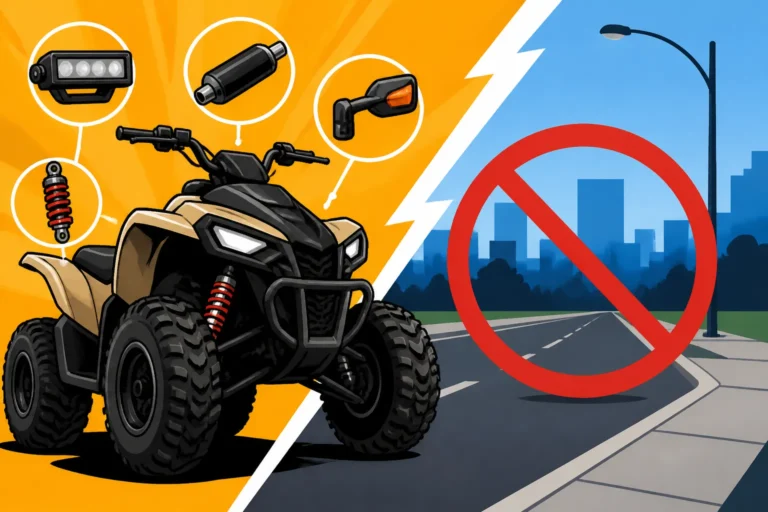
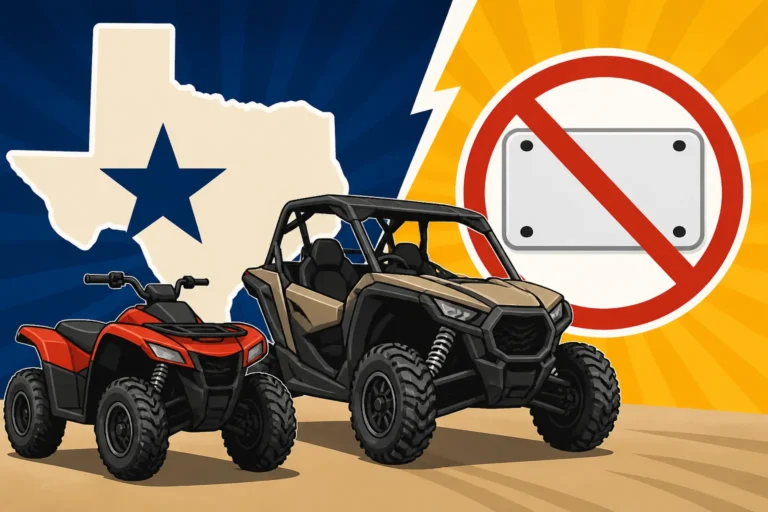
The fundamental reason Texas law generally keeps ATVs and UTVs off public roads boils down to their design and intended use. These machines are engineered for rugged, off-pavement conditions, not for sharing lanes with cars and trucks at highway speeds. They often lack the standard safety equipment required for road vehicles, like turn signals, specific brake lights, and certain types of mirrors, even if you try to add some aftermarket parts. The state prioritizes road safety for everyone, and unfortunately, OHVs don't typically fit that mold for general public road use. This is why you'll find that [Why Texas Will Not Register an ATV for the Road] is a common question with a straightforward answer. The state simply doesn't have a mechanism to register most OHVs for general road travel.
The Core Rule: "Off-Highway Use Only"
You might have seen this phrase stamped on your title or heard it mentioned when discussing OHVs in Texas: "Off-Highway Use Only." This isn't just a suggestion; it's a legal designation that defines how your ATV or UTV can be used. This core rule essentially means that your machine is not intended for operation on public roads, streets, or highways. It's meant for private land, designated OHV parks, and specific unpaved thoroughfares. Deviating from this can lead to penalties, even if you're just trying to get from one pasture to another. Understanding that your vehicle's fundamental status is "off-highway" is the first step to safely and legally navigating those tricky road crossings.
Understanding Permissible Road Crossings
While general road use is largely prohibited, Texas law does make specific provisions for simply crossing a public road. These aren't loopholes to exploit, but rather carefully defined actions that allow landowners and OHV users to move between properties or trails when absolutely necessary. However, these crossings come with very strict rules that you absolutely must follow to avoid breaking the law and, more importantly, to stay safe.
Crossing at an Intersection: The "Full Stop" and "Right Angle"
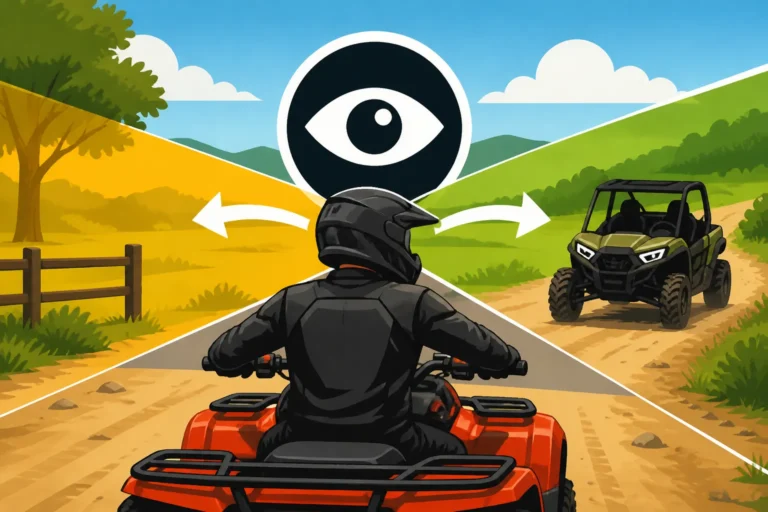
When you need to cross a public road, the safest and often only legal place to do so is at an intersection. This is because intersections typically offer better visibility for both the OHV operator and oncoming traffic, and they are designed for vehicles to pause and proceed. The law is quite explicit about how this crossing must occur. You must bring your off-highway vehicle to a [Ninety Degrees and a Full Stop in Texas] before entering the traffic lane. This means coming to a complete stop at the intersection, ensuring you have a clear line of sight in all directions, and then proceeding to cross at a right angle to the road. You cannot "parallel" the road for any distance; the goal is to get straight across as quickly and safely as possible. Think of it like crossing a busy street on foot – you stop, look both ways, and walk straight across, not down the street.
The "right angle" part is key here. You're not allowed to turn onto the road, drive down it for a bit, and then turn off. Your path should be perpendicular to the flow of traffic. This minimizes the time your OHV is exposed to fast-moving vehicles and helps reduce confusion for other drivers. Always be prepared to yield to any vehicle already on the public road.
Crossing a Divided Highway: Specific Considerations
Crossing a divided highway presents an even greater challenge and requires extra caution. A divided highway, with its median separating traffic lanes, introduces more complexity than a simple two-lane road. The general principle of stopping and crossing at a right angle still applies, but you must treat each side of the divided highway as a separate crossing.
This means that after you've crossed the first set of lanes and reached the median, you must again come to a [Texas Rules for Crossing a Divided Highway]. Treat the median as a temporary safe zone (if it's wide enough and safe to stop within), and repeat the process of stopping, looking, and crossing the second set of lanes at a right angle. You absolutely cannot drive down the median or use it as a travel lane. Your goal is always the shortest, most direct path across. Visibility is paramount here, so ensure you can clearly see approaching traffic from all directions before moving. It's often safer to find a controlled intersection with traffic signals if available, even if it means a longer detour on private land.
Equipment and Visibility for Safe Crossings
Even for a brief crossing, ensuring your OHV is as visible as possible is not just a good idea, it's often a legal requirement. When you're making a road crossing, you're putting your vehicle in a high-risk situation, so anything that enhances your visibility to other drivers is critical.
Here’s a look at essential equipment:
- Headlights and Taillights: Even in broad daylight, it's wise, and sometimes required, to have your [Headlights and Taillights in Daylight] turned on. This makes your machine more noticeable to approaching vehicles, especially if there's any glare or atmospheric haze. While many ATVs and UTVs come with these standard, ensure they are clean, functional, and bright.
- Orange Warning Flag: If you're riding in an area where your OHV might not be immediately visible due to terrain, dust, or tall crops, a [The 6-Foot Orange Flag Texas Requires] is invaluable. This flag should be mounted at least six feet above the ground on your vehicle, making it easier for drivers in taller vehicles or those farther away to spot you. Companies like SuperATV offer a range of durable flag mounts and high-visibility flags that can significantly improve your presence, even for brief road forays.
- Eye Protection and Helmet: While not specific to the machine's visibility, your personal safety gear is paramount. Always wear a helmet and eye protection when riding an OHV, especially when interacting with public roads. It's a simple step that offers crucial protection in case of an unforeseen event. [Texas Helmet Law for ATV Riders] is a vital piece of information for any rider.
| Equipment Item | Purpose | When It's Essential |
|---|---|---|
| Headlights/Taillights | Increase visibility to other drivers | Always, even in daylight, during road crossings |
| Orange Warning Flag | Elevate visibility above obstacles/terrain | When crossing roads, especially in rural areas |
| Helmet | Protect rider's head | Always when operating an OHV |
| Eye Protection | Shield eyes from debris, dust, wind | Always when operating an OHV |
This table highlights just how critical these components are for your safety and legal compliance. Don't skimp on these basic precautions.
Special Exceptions Where Longer Road Use is Allowed
While the general rule is "off-highway use only," Texas law does carve out specific, limited exceptions where an ATV or UTV might be allowed on certain public roads for more than just a direct crossing. These exceptions are tied to specific purposes and come with their own set of rules. Understanding them can help you determine if your particular need goes beyond a simple crossing and falls into one of these categories.
Agricultural Use: A Key Exemption
Perhaps the most common exception for OHV use on public roads in Texas is for legitimate agricultural operations. Farmers and ranchers often rely on ATVs and UTVs to get work done efficiently, and sometimes that work requires them to move machinery between fields, pastures, or farm buildings that are separated by public roads.
Texas law recognizes this necessity and provides an exemption for OHVs when used for bona fide agricultural purposes. This means you might be able to operate your ATV or UTV on a public road if it's directly related to farming, ranching, or other agricultural activities. However, this isn't a free pass to joyride. The use must be directly related to the agricultural operation. You'll want to check [Texas Agricultural Exemption for ATVs on Roads] for the precise details. For example, the law often specifies that the travel must be for distances of 25 miles or less from the point of origin to the destination, and that it must be during daylight hours. [Texas Rules for Riding a Farm Road] also delves into specific conditions you'll need to meet. Even with this exemption, the core principles of safety, visibility, and exercising extreme caution still apply, especially when making a full crossing of a busier road. Your machine should still have adequate lighting, and using a warning flag is a wise choice.
Volunteer Firefighter Duties: Another Specific Allowance
Another very specific, and rightfully protected, exception is for volunteer firefighters. In many rural areas of Texas, volunteer fire departments rely on versatile vehicles like UTVs to reach brush fires, assist in emergencies on rough terrain, or navigate conditions that traditional fire trucks might struggle with.
Texas law permits volunteer firefighters, while acting in an official capacity, to operate off-highway vehicles on public roads to respond to an emergency. This is a critical provision that helps protect communities. Like agricultural use, this isn't for personal errands; it's strictly for emergency response. The vehicles used by volunteer firefighters are often specially equipped with emergency lighting and sirens to enhance their visibility and signal their urgent purpose. If you're a volunteer firefighter, you should familiarize yourself with [Texas Rules for Volunteer Firefighters on a Texas ATV] to ensure compliance and safety during these critical situations.
Master Planned Communities and Golf Carts
While not directly about ATVs or UTVs, it's worth a brief mention that some master planned communities and certain municipalities in Texas might have specific ordinances that allow the use of golf carts or Neighborhood Electric Vehicles (NEVs) on their streets. These rules typically pertain to lower-speed, smaller vehicles and are distinct from the laws governing ATVs and UTVs. They usually involve strict speed limits, daylight-only operation, and specific safety equipment requirements.
If you live in such a community, you might see golf carts regularly crossing streets. It's vital to remember that these local ordinances do not extend to typical ATVs or UTVs unless explicitly stated and they meet very specific criteria, which is rare. Your ATV or UTV is still generally classified for "off-highway use only," even if your neighbor's golf cart can putter around the block. Don't assume local golf cart rules apply to your quad or side-by-side.
Penalties and Best Practices for Road Crossings
Ignoring the rules for crossing a public road with your ATV or UTV in Texas can lead to more than just a stern talking-to. The state takes these regulations seriously because the consequences of an accident involving an OHV on a public road can be severe. Understanding the potential penalties and adopting best practices will help you stay safe and on the right side of the law.
What Happens if You Don't Follow the Rules
Operating an off-highway vehicle on a public road outside of the very specific legal exemptions (like direct crossing or agricultural use) is generally considered a misdemeanor. This means you could face fines, and potentially even have your vehicle impounded. The exact [Texas Fines for Illegal ATV Road Use] can vary depending on the county and the specific circumstances, but they are certainly not trivial. Beyond the financial hit, there's the much more significant risk of an accident. OHVs simply aren't designed to interact with road traffic, and even a low-speed collision can result in serious injury or worse, especially if you're not wearing proper safety gear. Remember, [Why Texas Exempts OHVs From Insurance] means you might not have liability coverage for incidents on public roads, leaving you personally responsible for damages.
Practical Tips for Every Rider
Even when legally crossing a road, vigilance and preparation are your best friends. Here are some practical tips to keep in mind:
- Scout Your Crossing Points: Whenever possible, identify the safest intersections to cross well in advance. Look for areas with good sight lines, less traffic, and perhaps even traffic signals if available.
- Maximize Visibility: Always turn on your headlights and taillights, even during the day. Consider adding an orange safety flag, especially in rural areas where your vehicle might be obscured by terrain or crops. Many riders find that aftermarket accessories, like those from SuperATV, which include brighter LED lights or more robust flag mounts, can significantly enhance safety.
- Stop, Look, and Listen: Treat every crossing like a railway crossing. Come to a complete stop, look left, then right, then left again. Listen for approaching vehicles you might not see. Don't assume drivers see you; make eye contact if possible.
- Cross Swiftly and Decisively: Once you've determined it's clear and safe, cross the road at a right angle without hesitation. Don't dawdle, and don't try to make any turns onto the road itself.
- Educate Passengers: If you're carrying a passenger (only if your UTV is designed for it, or an ATV has a manufacturer-approved passenger seat), ensure they also understand the seriousness of the crossing and are ready to assist with vigilance.
- Know Your Local Ordinances: While statewide laws are paramount, some very specific local nuances might exist in certain counties or cities, especially concerning agricultural use or very low-traffic county roads. It's always a good idea to check with your local county sheriff's office or municipal authorities if you have specific questions about a particular stretch of road.
By understanding and adhering to these Texas rules and safety guidelines, you can ensure that your brief road crossings are as safe and legal as possible, allowing you to enjoy your off-highway vehicle without unnecessary stress or legal trouble.
Disclaimer
This article is for general informational purposes only and does not constitute professional advice. Laws, prices and regulations vary by location and change over time. Consult a qualified professional for guidance on your specific situation.