Texas Fines for Illegal ATV Road Use
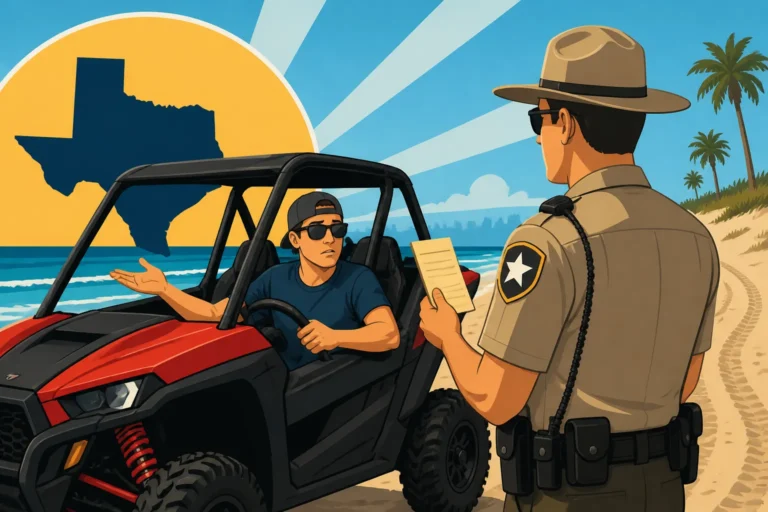
It's a familiar Texas conundrum: you've got a powerful ATV or UTV, a vast open landscape, and the burning desire to take your machine on that short stretch of county road to get to the next pasture, the gas station, or even just another trail. But that seemingly simple hop onto a paved road can quickly turn into a costly mistake, bringing with it tickets, fines, and a whole heap of headaches. This guide is here to unravel the often-confusing world of Texas laws regarding off-highway vehicle (OHV) road use, shedding light on the penalties you face if you veer onto forbidden asphalt and offering clarity on how to avoid those unwelcome fines.
The Harsh Reality of Illegal OHV Road Use in Texas
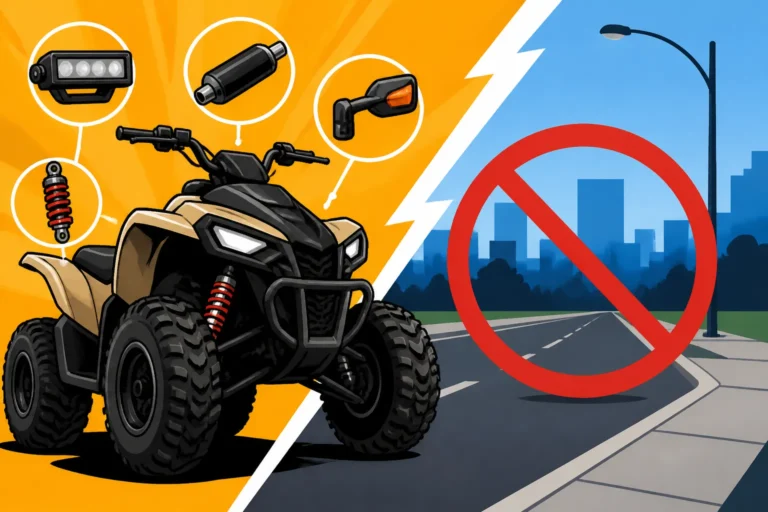
Let's cut right to the chase: for the vast majority of Texas roads, ATVs and UTVs are simply not allowed. It's a hard pill to swallow, especially when you see other types of vehicles on the road, or perhaps you're used to different rules in another state. Many riders assume that if they just add a few lights or a turn signal kit from a company like SuperATV, they're good to go. The unfortunate truth is that Texas law has very specific definitions and exclusions that generally keep your beloved quad or side-by-side off public streets. This fundamental prohibition is where most of the fines stem from.
Why Texas Prohibits Most OHV Road Use
The primary reason behind the ban isn't about fun-hating. It's largely due to safety and the fundamental design of these vehicles. ATVs and UTVs are built for off-road terrain – they have different braking systems, suspension, tire compounds, and often lack essential safety features mandated for street-legal vehicles, like crumple zones, advanced airbags, or specific lighting configurations. Texas views these machines as inherently unsafe for mixing with passenger cars and trucks at typical road speeds. This stance is firm, and it's why you won't find an easy path to getting your machine registered for street use, despite what you might wish. Many hopeful riders have spent time researching [Why Texas Will Not Register an ATV for the Road], only to find this disappointing reality.
The General Rules of the Road for OHVs
Generally speaking, if it's a paved public road maintained by the state, county, or a municipality, your ATV or UTV is likely prohibited. This includes highways, interstates, most county roads, and city streets. There are very limited exceptions, which we'll touch on later, but the baseline understanding should always be: assume you cannot ride on the road unless you know for certain, through clear legal text, that you can. Ignorance of the law is not a defense, and law enforcement officers are well aware of the state's OHV statutes.
Understanding the Fines and Penalties for Illegal Road Use
When you get caught riding your ATV or UTV on a prohibited Texas road, you're not just looking at a slap on the wrist. The penalties can range from a simple ticket to more severe consequences, depending on the specific circumstances and the discretion of the enforcing officer. Most violations fall under a category that can be surprisingly impactful on your wallet and your record. This can be a real shock for folks who just didn't realize the severity of the offense.
Class C Misdemeanors and the Cost
The majority of offenses related to illegal ATV or UTV road use in Texas are classified as Class C Misdemeanors. While this is the lowest classification of criminal offense in Texas, don't let the "lowest" part fool you. A Class C Misdemeanor is still a criminal charge, not just a traffic infraction. This means it can appear on your criminal record, which can have implications for background checks, certain types of employment, or even professional licenses down the line.
The financial penalty for a Class C Misdemeanor typically involves a fine. While specific amounts can vary by municipality and court, you can generally expect a fine that could set you back several hundred dollars. Beyond the base fine, you'll also be on the hook for court costs and administrative fees, which can quickly add another significant sum. Imagine you're just trying to get from one side of your property to the other, using a county road, and suddenly you're facing a bill that could buy you some serious upgrades for your machine, perhaps from SuperATV, or even a couple of full tanks of fuel for a season of riding. It's a frustrating situation that many riders encounter. For more details, you might want to look into [Class C Misdemeanors Under Texas OHV Law].
Potential for Vehicle Impoundment
In some cases, law enforcement might decide to impound your ATV or UTV if you're found operating it illegally on a public road. This is particularly common if there are additional aggravating factors, such as reckless operation, suspicion of intoxication, or if the officer believes it's a repeated offense. Impoundment means your machine is towed away and stored at a impound lot.
Getting your vehicle back from impound is another costly endeavor. You'll be responsible for towing fees, daily storage fees, and any administrative release fees. These costs accumulate rapidly, sometimes far exceeding the original fine for the violation. It's not uncommon for impound fees to run into hundreds, if not thousands, of dollars, especially if you can't retrieve the machine immediately. This situation is particularly painful because you've lost access to your vehicle, and you're paying a premium just to get it back, all because of a moment of questionable road use.
Other Charges That Can Stack Up
Illegal road use isn't always a standalone offense. Depending on how you're operating your machine, additional charges can be layered on top, escalating the severity of the consequences.
- Reckless Driving: If you're operating your ATV or UTV in a manner that endangers others, such as speeding, swerving, or performing stunts on the road, you could face reckless driving charges. This is a more serious offense than a Class C Misdemeanor, often a Class B Misdemeanor, which carries higher fines and potential jail time.
- Operating While Intoxicated (OWI): Texas law applies to operating any motor vehicle, including ATVs and UTVs, while intoxicated. If you're caught riding your OHV on a public road under the influence of alcohol or drugs, you can face OWI charges, which carry extremely severe penalties, including hefty fines, jail time, license suspension, and a permanent criminal record.
- No Helmet/Safety Gear: While Texas does have some exemptions for helmets in specific circumstances, generally, if you're operating an OHV on a public road where it's legally permitted (like one of the rare exceptions), you might still be subject to helmet laws. Failing to wear one could result in an additional fine. Review [Texas Safety Apparel Rules for ATV Riders] for more information.
- No Driver's License: Operating a motor vehicle on a public road without a valid driver's license is also an offense, and this applies to ATVs and UTVs in situations where their road use might be permitted. Even if you're legally allowed to operate on a certain road, you still need to be licensed.
This table summarizes common violations and their typical consequences:
| Violation Type | Legal Classification | Typical Financial Impact | Other Potential Consequences |
|---|---|---|---|
| Illegal OHV Road Use | Class C Misdemeanor | ~$25 – ~$500 (plus court costs) | Criminal record, vehicle impoundment |
| Reckless Driving | Class B Misdemeanor | ~$250 – ~$2,000 (plus court costs) | Jail time, driver's license suspension |
| Operating While Intoxicated (OWI) | Class B Misdemeanor (1st) | ~$500 – ~$2,000 (plus court costs) | Jail time, driver's license suspension, SR-22 |
| Operating Without Valid License | Class C Misdemeanor (often) | ~$25 – ~$500 (plus court costs) | Vehicle impoundment, additional fines |
| No Required Safety Equipment (e.g., helmet) | Class C Misdemeanor | ~$25 – ~$200 (plus court costs) | Safety risk, potential for increased injury |
Note: Specific fine amounts are illustrative and can vary widely by jurisdiction and specific circumstances. Always check local ordinances.
Beyond the Ticket: Other Consequences of Illegal Road Use
The financial cost of a ticket and court fees is just one piece of the puzzle. There are other, sometimes less obvious, consequences that can arise from illegal ATV or UTV road use in Texas, impacting your insurance, your future, and even your ability to enjoy your machine.
Insurance Implications
Many ATV and UTV owners carry insurance on their machines, which is a smart move for protecting your investment, whether it's for property damage or liability. However, riding your OHV illegally on a public road can seriously complicate any insurance claims. Most off-road vehicle insurance policies have specific clauses that exclude coverage when the machine is operated in violation of local laws or used in a manner for which it was not intended – and riding on a public street definitely falls into that category.
If you have an accident while operating your ATV or UTV illegally on a road, your insurance company might deny your claim entirely. This means you'd be solely responsible for the cost of repairs to your machine, any property damage you caused to others, and any medical bills for injuries sustained by yourself or others. This financial burden can be catastrophic, far exceeding the cost of any initial fine. For more information about coverage, you might be interested in [Texas ATV Insurance Requirement].
Criminal Record and Its Lingering Effects
As mentioned, a Class C Misdemeanor is a criminal offense. While it might seem minor compared to felonies, having a criminal record, even a low-level one, can have ripple effects throughout your life. It can pop up on background checks for employment, housing applications, and even volunteer opportunities. Some professional licenses or certifications might be jeopardized, or you might face difficulties in obtaining certain types of security clearances.
It's a persistent stain that can make an already frustrating situation even more complicated. The desire to take a quick shortcut on a paved road suddenly becomes a decision that impacts your long-term prospects, reminding you that Texas takes its OHV laws seriously.
Navigating the Rules: When You Can Ride on Texas Roads (Legally)
It's not all doom and gloom! While the general rule is "no public roads," Texas law does provide a handful of very specific, narrow exceptions where ATVs and UTVs can legally operate on certain public thoroughfares. Understanding these exceptions is crucial for avoiding fines and enjoying your machine responsibly.
Agricultural and Ranch Use Exemptions
This is perhaps the most common and widely utilized exception in rural Texas. If you're operating an ATV or UTV for agricultural purposes, you have more leeway. This means tasks directly related to farming, ranching, and the movement of livestock or equipment. You can use an OHV on a public road to get from one field to another, or to transport supplies, provided you're actively engaged in agricultural operations.
However, even with this exemption, there are rules. You must have a valid driver's license. The machine should typically be equipped with certain safety features, such as an orange flag mounted six feet above the ground to enhance visibility. You also cannot be speeding or operating recklessly. This exemption is strictly for agricultural work, not for running errands or joyriding. For a deeper dive, read [Texas Agricultural Exemption for ATVs on Roads].
Specific County and Municipal Ordinances
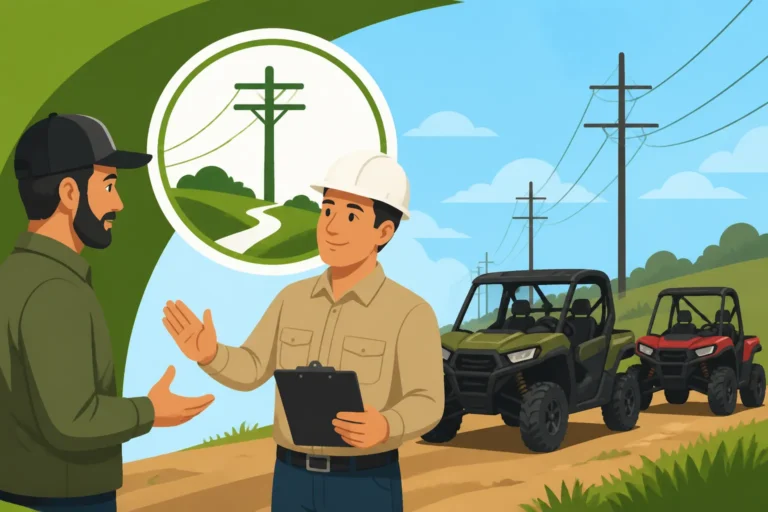
While state law generally restricts OHV road use, Texas Local Government Code does allow individual counties and municipalities to adopt ordinances permitting the use of certain OHVs (specifically UTVs and golf carts) on public roads within their jurisdiction. However, these are often very specific and come with strict conditions.
- Red River Counties: A unique provision allows counties bordering the Red River to adopt ordinances for OHV use on county roads.
- Counties Under 37,000 People: Certain smaller counties also have the option to allow OHV use on county roads.
- Master Planned Communities: Some master-planned communities, with approved plats, can designate streets for OHV use.
- Golf Cart Communities: Golf carts often have their own specific set of rules, sometimes allowing them on streets with a speed limit of 35 mph or less, especially near golf courses. For specific details on this, check out [Texas Rules for Riding a UTV to a Golf Course].
It's absolutely critical to understand that these local ordinances are not universal. Just because a neighboring county allows it doesn't mean yours does. You must check with the specific county or city government where you plan to ride. Never assume! The burden of knowing the law is on you. If a local ordinance permits it, there will likely be conditions, such as speed limits, daylight-only operation, and specific safety equipment requirements, which might include adding accessories from a reputable brand like SuperATV to meet legal standards.
Crossing a Highway
Texas law does permit an ATV or UTV to cross a public road, but under very strict conditions. This isn't about riding down the road, but across it. You must cross at an angle of approximately 90 degrees to the roadway, come to a complete stop before entering the roadway, yield to all oncoming traffic, and proceed directly across. You cannot drive along the shoulder, or use the road to travel any distance. This is solely for traversing from one off-road area to another. This is often the case on large ranches or properties split by a public road. You can find more information about this in [Crossing a Highway on an ATV in Texas].
In summary, while the desire to drive your ATV or UTV on Texas roads is understandable, the state's laws are clear and the penalties for illegal use are significant. From substantial fines and court costs to vehicle impoundment and lasting criminal record impacts, the risks far outweigh the convenience of a short road ride. By understanding the limited exceptions and always verifying local ordinances, you can ensure your off-road adventures remain fun, safe, and legal.
Disclaimer
This article is for general informational purposes only and does not constitute professional advice. Laws, prices and regulations vary by location and change over time. Consult a qualified professional for guidance on your specific situation.