Texas Cities That Ban ATVs on the Beach
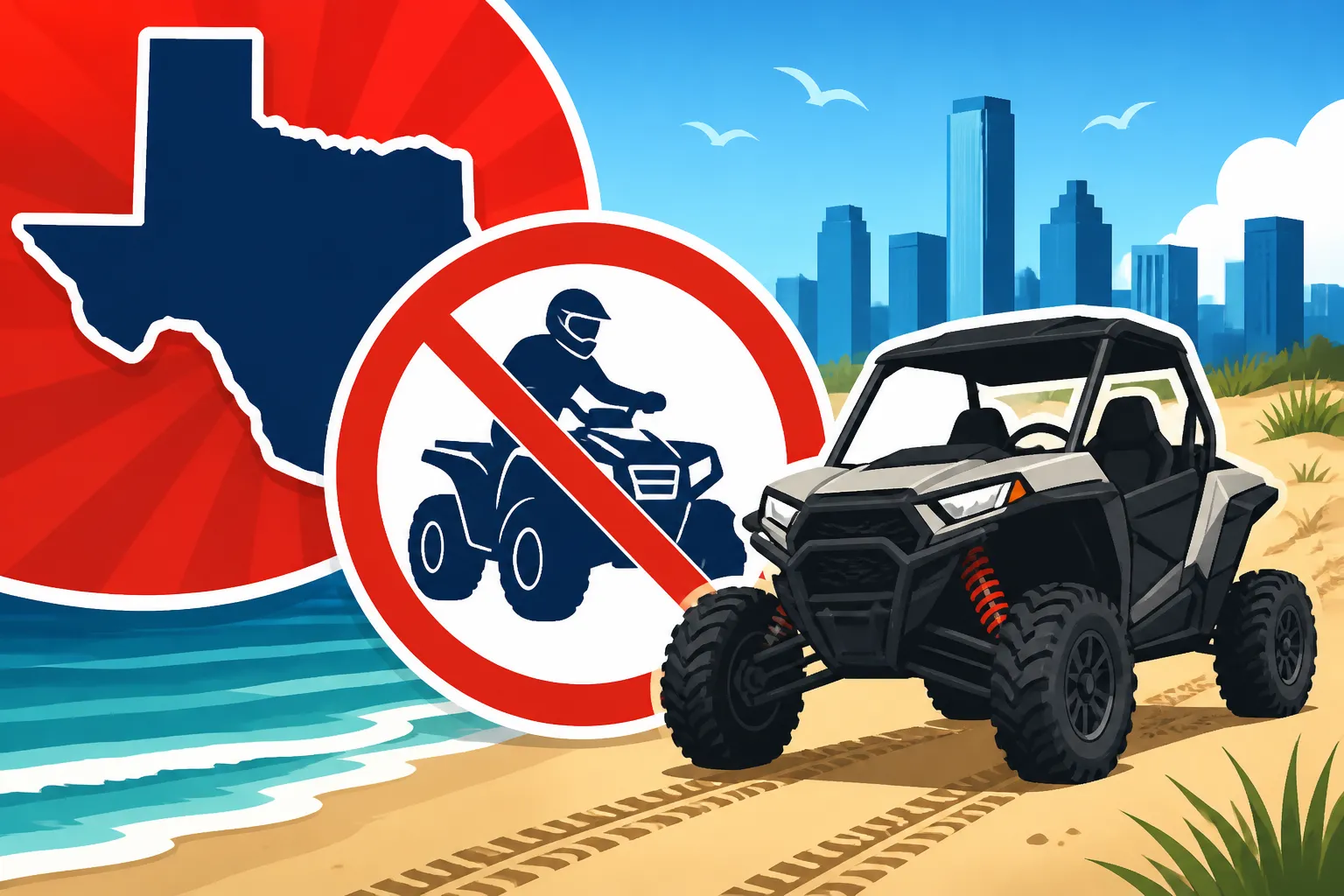
Picture this: you've loaded up your rig, the kids are excited, and you're dreaming of cruising the Texas coast on your ATV or UTV, salty air in your face. Then you arrive, only to find signs plastered everywhere banning off-road vehicles from the sand. It's a massive bummer, and a common headache for riders who just want to enjoy the unique experience of a beach ride. This guide will help you navigate the often-confusing world of Texas cities that have put the brakes on ATV and UTV beach access, helping you understand why these bans exist and where you might still find an open stretch of sand.
The Shifting Sands of Texas Beach Access for ATVs and UTVs
Texas boasts a long, beautiful coastline, and for many riders, the idea of cruising along the water's edge on an ATV or UTV is incredibly appealing. However, the reality of beach access for off-highway vehicles (OHVs) in Texas is far more complex than simply showing up and riding. Unlike some other states or even counties within Texas that might have more lenient rules, many coastal cities have implemented outright bans on ATVs and UTVs on their beaches. This often comes as a surprise and a major frustration to riders who assume a public beach means public access for all vehicles.
The legal framework around beach access in Texas involves a delicate balance between state laws, county ordinances, and individual city regulations. While the state broadly defines what constitutes an off-highway vehicle and sets some general rules for their operation, the power to regulate specific stretches of beach often falls to local municipalities. This means that driving a quad on an open beach in one area might be perfectly fine, while just a few miles down the road in another city, you could be facing a hefty fine and a tow. It's not a uniform free-for-all, and understanding these layered rules is crucial before you even load your machine onto the trailer. Many riders have learned this the hard way, thinking they were within their rights, only to be met with law enforcement and a significant financial penalty for simply not knowing the local rules.
Understanding the General Landscape of Texas Beach Riding Rules
Before diving into city-specific bans, it's helpful to grasp the broader context of [Texas Beach Riding Rules for ATVs]. Generally, vehicles are allowed on many designated sections of Texas beaches, particularly those under county or state control, as long as they are street-legal and properly licensed. This is where ATVs and UTVs hit a snag because, in Texas, they are generally not considered street-legal vehicles that can be titled and registered for highway use. While they can be titled as off-highway vehicles and get a special OHV plate, this plate does not grant road-legal status for general public roads, including many beach access points. The default assumption should be that if a vehicle needs to be street-legal to be on a particular stretch of beach, your ATV or UTV likely doesn't qualify without specific local exceptions.
Furthermore, even in areas where some off-road vehicles might be permitted, there are often strict regulations regarding speed limits, designated driving areas, hours of operation, and environmental protections. These rules are designed to ensure public safety, protect fragile dune ecosystems, and manage crowds, especially during peak seasons. You might encounter specific rules for driving on sand, such as the requirement for a valid driver's license for the operator, or limitations on where you can park or set up camp. Knowing these overarching principles can help you anticipate what challenges you might face when seeking beach access for your off-highway vehicle.
Why Cities Close Their Beaches to Off-Highway Vehicles
The decision by a Texas city to ban ATVs and UTVs from its beaches isn't usually arbitrary; it often stems from a combination of public safety concerns, environmental protection efforts, and local resident complaints. These aren't just minor inconveniences; they are deeply felt issues for the communities involved, leading to strict regulations.
Public Safety and Congestion Concerns
One of the primary reasons cities choose to ban ATVs and UTVs from their beaches is public safety. Beaches are often crowded spaces, especially during holidays and warm weekends. Mixing fast-moving off-highway vehicles with pedestrians, sunbathers, and young children creates a recipe for accidents. Unlike regular passenger cars, ATVs and UTVs can be highly maneuverable and are often operated by individuals seeking an "off-road" thrill, which can lead to reckless driving on a beach setting. The sheer volume of people and machines creates congestion that local authorities simply cannot manage safely.
Imagine a busy summer Saturday on a popular beach. Children are running, families are picnicking, and someone is trying to back a large truck and trailer into a spot. Now, add dozens of ATVs and UTVs zipping around, often with inexperienced riders or those unfamiliar with beach etiquette. The risk of collisions, rollovers, and injuries skyrockets. Cities want to ensure their beaches remain safe recreational areas for everyone, and unfortunately, the presence of ATVs and UTVs is often seen as a direct threat to that safety. They'd rather err on the side of caution and ban them outright than deal with the aftermath of preventable accidents.
Environmental Impact and Ecosystem Protection
Another significant factor driving these bans is the environmental impact of off-highway vehicles on fragile coastal ecosystems. Texas beaches are not just stretches of sand; they are critical habitats for a variety of wildlife, including nesting sea turtles, migratory birds, and dune-dwelling plants. The constant passage of ATVs and UTVs can compact sand, destroy vegetation, erode dunes, and disrupt wildlife breeding cycles. Sea turtle nests, for example, are incredibly vulnerable to vehicle traffic.
Many coastal cities are acutely aware of their role in protecting these delicate environments. They understand that what happens on their beaches today can have long-lasting effects on the local ecology and even the broader health of the Gulf Coast. Banning ATVs and UTVs is often seen as a necessary measure to preserve these natural resources. The noise, exhaust fumes, and physical disturbance from OHVs can also degrade the overall beach experience for those seeking peace and natural beauty, leading to local pressure for stricter rules. Organizations and local authorities often spend considerable resources on conservation, and uncontrolled OHV use can quickly undo their efforts.
Local Ordinances and Enforcement
Ultimately, the decision to ban or restrict ATVs and UTVs on a specific beach boils down to local ordinances and the capacity for enforcement. While some parts of the Texas coast are managed by counties or state parks where rules might be more consistent, individual cities have the power to enact their own specific prohibitions. These ordinances are typically passed by city councils after public hearings, often in response to community concerns, environmental studies, or past incidents.
For example, cities like Galveston, which sees millions of visitors annually, have very specific rules that generally restrict off-highway vehicle use on their public beaches, focusing instead on street-legal vehicles in designated areas. Other smaller communities might have similar bans but less frequent enforcement, though that's not something to bet on. It's crucial to understand that even if a county allows beach driving, a city within that county might still have its own, stricter rules. This is why simply knowing [Which Gulf Beaches Stay Open to Vehicles] at a county level isn't enough; you need to dig into the city-specific regulations. Law enforcement agencies, whether city police or county sheriffs, are tasked with upholding these local laws, and they often issue tickets and even impound vehicles for violations. The fines can be substantial, easily turning a fun day into a very expensive lesson.
Navigating the Nuances: Finding Where You Can Still Ride the Texas Coast
So, with all these restrictions, is there any hope for beach riding your ATV or UTV in Texas? The answer is nuanced. While many popular city beaches are indeed off-limits, there are still some stretches of coastline, primarily managed by counties or state parks, that might offer opportunities. The key is to do your homework and always verify the rules before you go.
Counties Versus Cities: Who Controls the Beach?
Understanding who has jurisdiction over a particular stretch of sand is paramount. In Texas, coastal land can be under the control of a city, a county, or a state park system. As we've discussed, cities are often the most restrictive when it comes to ATVs and UTVs. Counties, particularly those with less dense populations or a strong tradition of beach access, might have more permissive rules, though this is not a guarantee. For instance, some segments of Padre Island National Seashore allow certain types of vehicle access, but with very strict rules and often only for street-legal vehicles.
A good example of this jurisdictional difference can be seen when comparing densely populated urban beaches with more remote, less developed stretches of coastline. For instance, you're far less likely to find ATV access on a crowded beach within the city limits of Port Aransas or Corpus Christi compared to certain remote county-managed areas further south. Even where county rules might seem to open the door, it's critical to ascertain if you're truly on county-managed land, or if a city's jurisdiction extends to that particular beach. Don't assume; verify. Checking a detailed map or calling the local county sheriff's office or parks department can save you a lot of grief.
Checking Local Ordinances and Permits
The absolute best way to avoid disappointment and fines is to proactively check the local ordinances for the specific city or county you plan to visit. Most municipalities publish their ordinances online, often under their city or county clerk's office websites. Look for sections related to "beach vehicle access," "off-highway vehicles," or "motorized vehicles on beaches." This might sound tedious, but it's far better than facing a "Class C Misdemeanor Under Texas OHV Law" or having your machine towed.
Some areas that do allow vehicle access might require a special permit, often purchased annually, to drive on the beach. These permits are usually affordable and help fund beach maintenance and clean-up efforts. For example, some counties require a beach parking permit decal displayed on your vehicle, even if your machine itself doesn't require state registration. Always carry your driver's license and any required permits, as wardens or local police will ask for them. If you're unsure, a quick phone call to the local tourism office, chamber of commerce, or the local police non-emergency line can often provide clarity. Remember, misinformation from a friend or a social media group won't hold up in court if you get a ticket.
| Coastal Area (Example) | General ATV/UTV Status on Beach | Common Restrictions (if allowed) | How to Verify |
|---|---|---|---|
| Galveston Island | Generally Banned by City | Street-legal only in specific zones | Galveston City Ordinance Website |
| Port Aransas | Generally Banned by City | Street-legal vehicles only | City of Port Aransas Website |
| Padre Island National Seashore | Very Limited, Street-Legal Only | Permits, specific areas, tide-dependent | NPS Website, Park Rangers |
| Brazoria County | Mixed; some areas allow limited access | Beach Parking Permit, tides, conditions | Brazoria County Parks Dept. |
| Matagorda County | Mixed; some areas allow limited access | Beach Parking Permit, speed limits | Matagorda County Clerk |
| South Padre Island | Generally Banned by City | Pedestrian-focused, some limited exceptions | South Padre Island City Ordinances |
This table provides general examples; rules can change. Always check current local regulations.
Gear and Preparation for Permitted Beach Riding
For those rare, permitted stretches of sand where you can ride, preparing your ATV or UTV is essential. Beach environments are tough on machines – saltwater, sand, and sun take their toll. Investing in quality parts and accessories, like durable tires from a brand such as SuperATV that can handle varied terrain, or corrosion-resistant components, is a smart move. You'll want to ensure your machine is in top mechanical condition, as breakdowns on a remote beach can be a major headache.
Consider also accessories that enhance safety and comfort. A sturdy whip flag is often required in open riding areas for visibility, and proper lighting is a must if you plan to be out during dawn or dusk. Always carry essential tools, a tire repair kit, and enough water for everyone in your group. Remember that many beach areas have limited services, so self-sufficiency is key. Even if the riding is permitted, be a responsible rider. Respect the environment, stay on designated paths, and pack out everything you pack in. Leaving trash or creating excessive noise only gives local authorities more reason to consider further restrictions down the line, potentially shrinking the limited riding opportunities that remain.
Avoiding a Costly Ticket: Practical Tips for Texas Beach Riders
The last thing anyone wants is for their fun day at the beach to end with a ticket or, worse, an impounded vehicle. Understanding how to legally and responsibly enjoy the Texas coast with your ATV or UTV, even with the myriad of restrictions, means being proactive and informed. Don't rely on assumptions; rely on facts.
Before You Go: Research is Your Best Friend
Seriously, this cannot be stressed enough: do your homework. Before you even hitch up the trailer, dedicate time to researching the specific beach you intend to visit. As mentioned, look up the city or county's official website. Many municipalities will have clear rules posted regarding [Texas Cities That Ban ATVs on the Beach] or those with restricted access. If the information isn't immediately obvious, don't hesitate to call the local city hall, county clerk's office, or even the local police department (using their non-emergency number, of course). Ask specific questions: "Are ATVs and UTVs allowed on the beach at [specific location]?" and "Are there any permits required?"
It's also a good idea to search for news articles or local forums. Sometimes, new bans or relaxed rules are reported locally before they are fully updated on official websites. However, always prioritize official government sources over anecdotal information from social media. A quick double-check can save you hundreds, if not thousands, of dollars in fines, impound fees, and legal headaches. Knowing [What a County Clerk Rejects on a Title Application] might seem unrelated, but it's all part of understanding local administrative nuances.
On the Beach: Observe, Ask, and Be Respectful
Once you arrive at your desired beach destination, take a moment to observe your surroundings. Look for signage. Are there "No Off-Road Vehicles" signs? Are there signs indicating that only street-legal vehicles are permitted? Pay attention to how others are operating their vehicles. If you see only street-legal trucks and SUVs, that's a strong indicator that ATVs and UTVs are likely not allowed. If there's a ranger station or a local authority present, politely ask them about the specific rules for your type of vehicle.
Beyond the letter of the law, always be respectful of other beachgoers and the environment. Even if you're in an area that permits OHV use, operating your machine responsibly goes a long way. Drive slowly and carefully, particularly in crowded areas. Avoid making excessive noise or churning up sand where it might impact others or delicate ecosystems. This means understanding [Texas Rules for Driving a Quad on Sand] and adhering to them strictly. Remember, positive behavior from riders can help maintain access in areas where it's still allowed, while irresponsible actions can quickly lead to further restrictions and more [Beaches Closed by a City] or county. Having robust protection for your machine, perhaps underbody armor from SuperATV, won't save you from a ticket, but responsible riding can protect your access.
The Consequences of Ignoring the Rules
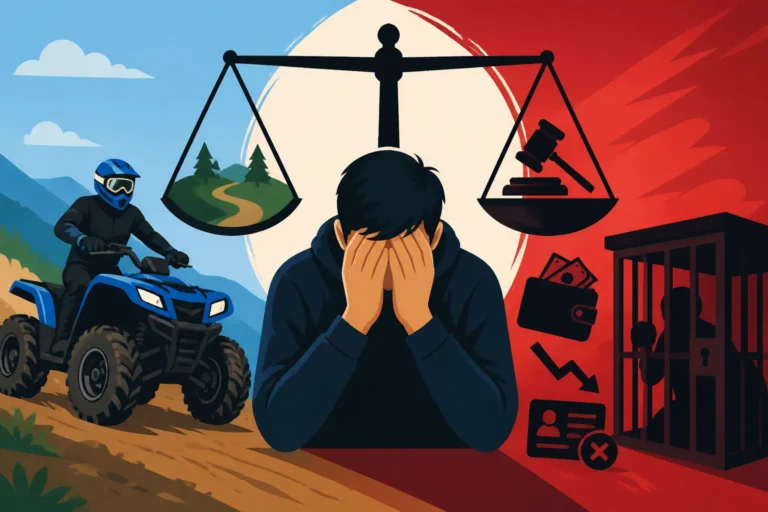
Ignoring local bans or restrictions on beach riding can lead to significant penalties. At the very least, you're likely to receive a citation, which can carry a fine ranging from a couple of hundred dollars to much more, depending on the severity and specific local ordinance. Many violations for illegal ATV use are classified as Class C misdemeanors. In addition to the fine, your ATV or UTV could be impounded, leading to towing fees and daily storage charges that quickly add up. Retrieving an impounded vehicle is a bureaucratic nightmare and an expensive one.
Furthermore, repeated violations or reckless behavior could lead to more severe legal consequences. For instance, if your actions cause damage to the environment, such as disturbing a protected nesting area, you could face additional charges and fines from state or federal agencies. Beyond the legal and financial repercussions, being caught riding where prohibited casts a negative light on all ATV and UTV enthusiasts. It reinforces the stereotypes that lead cities to implement these bans in the first place, making it even harder for responsible riders to find legal places to enjoy their sport. So, for the sake of your wallet, your machine, and the future of off-road riding in Texas, always know before you go, and always follow the rules.
Disclaimer
This article is for general informational purposes only and does not constitute professional advice. Laws, prices and regulations vary by location and change over time. Consult a qualified professional for guidance on your specific situation.