What a Class C Misdemeanor Costs a Rider
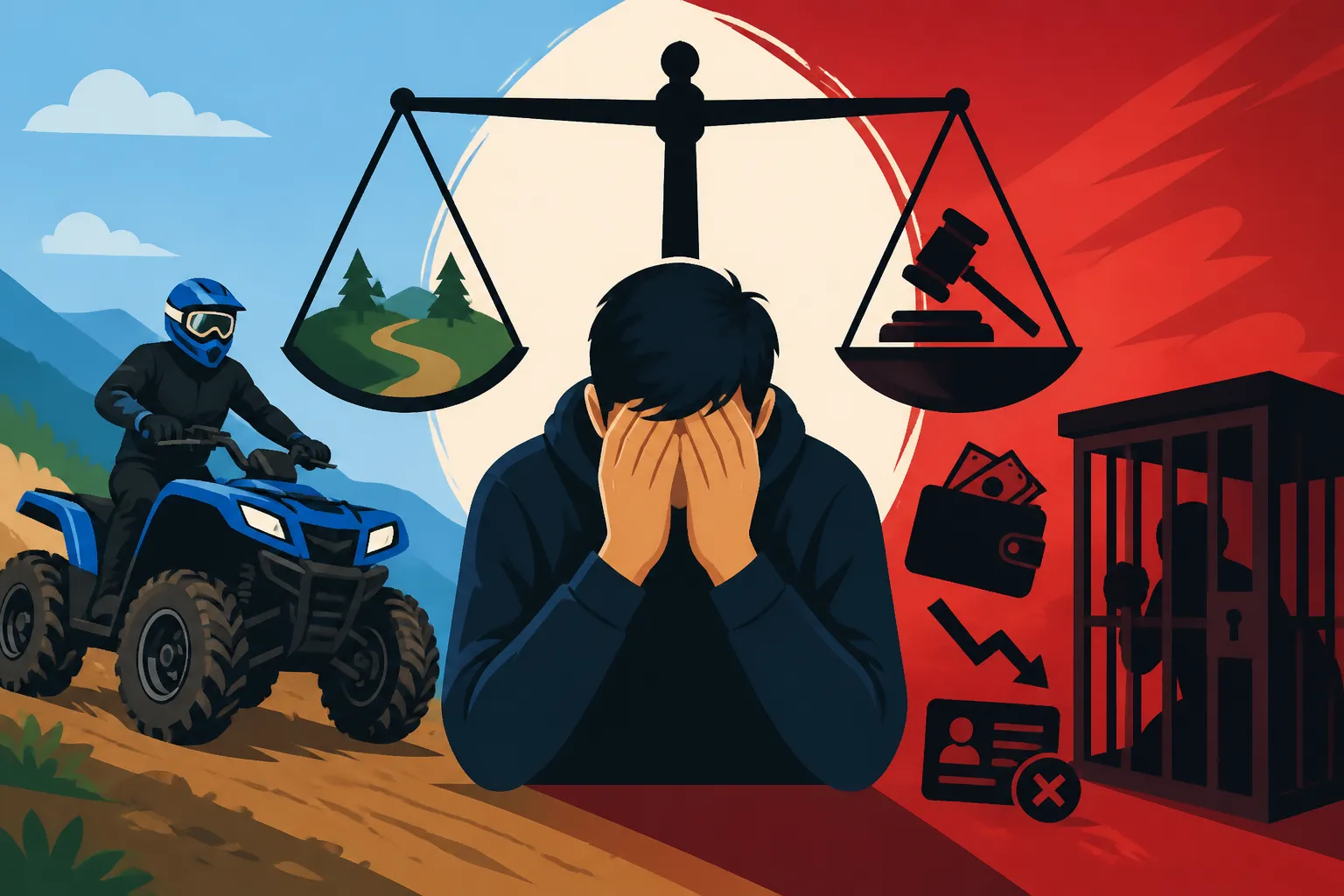
It's incredibly frustrating, isn't it? You head out for a fun day on your ATV or UTV, cruising through the Texas landscape, only to find yourself facing a flashing light and the sinking feeling of a ticket. The confusion quickly sets in: what exactly did you do wrong, and more importantly, what's this going to cost you? This guide is here to shed some light on what a Class C Misdemeanor means for an off-highway vehicle rider in Texas, breaking down not just the immediate fine, but the often-overlooked financial and personal impact.
Understanding the Class C Misdemeanor in Texas OHV Law
In Texas, a Class C Misdemeanor is the lowest level of criminal offense, often associated with traffic violations, petty theft, or public intoxication. While it's not a felony, it's still a criminal charge, and it carries consequences. For ATV and UTV riders, these misdemeanors typically arise from violations of state or local laws governing where and how you can operate your off-highway vehicle. It's easy to dismiss a ticket as just an annoyance, but understanding that it's a criminal charge changes the perspective quite a bit.
Imagine you're tearing down a levee road that you thought was open to the public, only to be stopped by a game warden. Or perhaps you're cruising through a master-planned community on your side-by-side, unaware of local ordinances that prohibit such activity. These situations, common for many riders, can quickly escalate from a simple warning to a citation for a Class C Misdemeanor. The most common infractions include operating an OHV on a prohibited public road, trespassing on private land, or failing to adhere to specific equipment requirements in designated areas. For instance, sometimes people are cited for [Texas Helmet Law for ATV Riders] violations or [Texas Passenger Rules on an ATV] if their passenger isn't seated correctly. It's not always about reckless driving; sometimes it's simply being in the wrong place at the wrong time, or not being fully informed about the specific regulations of a particular area.
Many riders, especially those new to the off-road scene or new to Texas, mistakenly believe that if it's not explicitly marked as private, it must be fair game. However, Texas law leans heavily toward private property rights, and public road access for OHVs is severely restricted. Even riding along a [Texas Rules for Riding a Canal Bank] or a specific [Texas Rules for Riding a Levee Road] can put you in hot water if that area isn't designated for OHV use. This lack of clear, uniform signage across the vast state is a genuine source of frustration for many, making it incredibly easy to inadvertently break the rules and incur a Class C Misdemeanor.
The Financial Bite: Beyond the Initial Ticket
When you receive a citation for a Class C Misdemeanor, the most immediate concern is usually the fine amount printed on the ticket. However, that number is often just the tip of the iceberg. Texas, like many states, has a system of court fees, administrative costs, and potential surcharges that can significantly inflate the total financial burden. It's crucial not to just look at the base fine, but to prepare for the whole package.
Let's say you get a ticket for illegal road use, a common Class C Misdemeanor for ATV riders. The base fine might be, for example, a few hundred dollars. But then, when you go to pay it, you're hit with court costs, which can include judicial fees, clerk fees, and state consolidated court costs. These aren't usually optional; they're statutory requirements added to nearly every conviction, regardless of the offense. Depending on the county and the specific court, these additional fees can sometimes double or even triple the amount you initially saw on the citation. It’s a bitter pill to swallow when you realize the "small fine" has grown considerably.
Beyond the fixed costs, there can be indirect financial hits. For example, if you decide to fight the ticket, you might incur legal fees if you hire an attorney. While many people opt to just pay a Class C ticket, hiring legal counsel can be a wise investment if you believe you have a strong case or if you're concerned about the long-term implications of having a conviction on your record. This can quickly add hundreds, if not thousands, of dollars to your overall cost. If the offense involved damage to property or other vehicles, you might also face restitution orders, compounding the financial strain. Many common violations are laid out in the [Class C Misdemeanors Under Texas OHV Law] and it's worth reviewing them to understand what you might be up against.
For those who purchase accessories or upgrades for their machines, like performance parts from SuperATV, it can feel especially unfair if a Class C Misdemeanor then prevents you from using your machine where you intended. It's not just the cost of the ticket, but the feeling of wasted investment in your machine and gear if you can't enjoy it.
Here’s a simplified breakdown of how the costs can add up for a Class C Misdemeanor:
| Cost Component | Description | Impact on Rider |
|---|---|---|
| Base Fine | The initial penalty set by statute or ordinance for the specific offense. | Directly impacts your wallet, usually the first number seen. |
| Court Costs | Various administrative fees for processing the case (judicial, clerk, state). | Can significantly increase the total amount due, often doubling the base fine. |
| Surcharges (if applicable) | Additional fees levied by the state for certain offenses (less common for OHV Class C). | Could add further costs, but less frequent for minor OHV infractions. |
| Defensive Driving Course | Option to dismiss ticket, but involves course fee and court administrative fees. | Alternative to conviction, but still has a cost in time and money. |
| Attorney Fees | Cost of hiring legal representation to fight the citation. | Can be substantial, but potentially saves long-term consequences. |
| Restitution | Payment for damages caused, if the offense involved property damage. | Varies widely based on extent of damage. |
Beyond the Wallet: Hidden Costs and Consequences
The financial burden of a Class C Misdemeanor is often the most immediate concern, but the costs extend far beyond the money leaving your bank account. There are significant hidden costs and long-term consequences that can impact your time, your personal record, and even your future opportunities. Understanding these less obvious repercussions is essential for appreciating the full weight of such a charge.
One of the most valuable resources you'll lose is your time. Dealing with a citation isn't just a matter of mailing a check. You might need to appear in court, even if it's just to plead guilty and pay the fine. Court dates often fall during regular business hours, meaning you could lose a day of work or have to reschedule other important commitments. If you choose to fight the ticket, the process can involve multiple appearances, consultations with an attorney, and gathering evidence, all of which consume precious hours that could be spent elsewhere – perhaps riding your UTV with friends, if you had properly followed the rules for [Texas Rules for Riding a County Road]!
Furthermore, a conviction for a Class C Misdemeanor goes on your criminal record. While it's the lowest level of offense, it is still a criminal offense. This can have unexpected ramifications down the line. For example, if you apply for certain professional licenses, some applications ask about criminal convictions, even misdemeanors. It could impact background checks for employment, housing, or even volunteer opportunities. While a Class C Misdemeanor is often seen as minor, having it on your record can sometimes raise questions or be a disqualifying factor, depending on the context. Imagine applying for a sensitive job and having to explain why you were cited for [Texas Rules for Riding a Closed Trail] – it might not sink your application, but it certainly doesn't help.
There's also the element of increased scrutiny. Once you've been cited, law enforcement might be more inclined to recognize your vehicle or you personally if you're encountered in similar areas again. This isn't to say you'll be targeted unfairly, but a previous infraction can certainly lead to a heightened awareness from patrols. This added stress and feeling of being "watched" can detract from the enjoyment of riding, which is why many of us got into ATVs and UTVs in the first place! It takes away from the freedom and adventure. Plus, if you're riding with friends and you're the one constantly getting pulled over, it can cast a shadow on the whole group's experience.
Finally, consider the potential impact on insurance. While Texas generally does not require ATV insurance for off-road use, if your Class C Misdemeanor involved an incident where your insurance was involved – perhaps if there was property damage or an injury that required your liability coverage – a conviction could potentially lead to higher premiums or even difficulty securing coverage in the future. Insurance companies assess risk, and a criminal conviction, even a minor one, can be a red flag. This might be especially true if you have a highly modified machine with lots of SuperATV aftermarket parts, as insurers might already see it as a higher risk.
Avoiding the Misdemeanor Trap: Staying Informed and Riding Smart
The best way to deal with the costs and consequences of a Class C Misdemeanor is, without a doubt, to avoid getting one in the first place. This isn't always easy, given the complex and sometimes inconsistent nature of OHV laws in Texas, but with a proactive approach and a commitment to staying informed, you can significantly reduce your risk. It really comes down to knowledge and making responsible choices before you even put the key in the ignition.
First and foremost, know before you go. This means researching the specific rules and regulations for any area you plan to ride. Don't rely on assumptions or what "everyone else is doing." Texas has some nuances, like certain counties having different rules for [Texas Rules for Riding on a 35 mph Road] or specific conditions for crossing highways. Public lands, state parks, and privately managed OHV parks all have their own sets of rules. For example, the Sam Houston National Forest has strict width restrictions, while private parks like Hidden Falls Adventure Park will have their own permit and safety requirements. A quick phone call to the local county sheriff's office or park ranger station can save you a world of trouble. Always clarify whether certain types of vehicles, like your specific UTV, are allowed on [Texas Rules for Riding a Subdivision Street] or [Texas Rules for Riding a Frontage Road].
Secondly, invest in safety education and necessary equipment. Even if you're an experienced rider, refreshing your knowledge with an OHV safety course can be invaluable. For younger riders, completing a [Texas OHV Safety Certificate Requirements] course is not just a good idea, it's often legally required. These courses cover not only riding techniques but also local laws and best practices. As for equipment, make sure your machine has the required safety features for wherever you're riding. This includes proper lighting, spark arresters, and, of course, wearing appropriate personal protective equipment like helmets and eye protection – don't forget [Texas Eye Protection Requirement for Riders]! A lot of riders install great accessories from SuperATV that enhance safety, like roll cages or reinforced bumpers, but these don't negate the need for personal protective gear.
Third, respect private property and posted signs. This is perhaps the most critical rule of all. If an area is marked "No Trespassing" or "Private Property," do not ride there. Ever. Ignorance is not a defense in court, and trespassing can quickly escalate beyond a Class C Misdemeanor if property damage occurs or if the landowner feels threatened. Even if there are no signs, if you're unsure if land is public or private, err on the side of caution and avoid it. Always get explicit permission from landowners if you want to ride on their property. This simple step can prevent the vast majority of citations. You should also ensure your machine has the appropriate [Texas OHV Decal Cost] sticker if you're on public land that requires one. Remember, these decals help fund the very trails you want to ride.
Lastly, stay up-to-date with changing laws. Laws and regulations can change, and what was permissible last year might not be this year. Subscribing to newsletters from Texas Parks and Wildlife or checking their website periodically can help you stay informed. Don't be caught off guard by new ordinances or updated state statutes. For instance, sometimes local counties vote to open or close certain roads for OHV use, and what applies in one region might not apply in another. Your due diligence is your best defense against inadvertently breaking the law.
By taking these steps, you not only protect your wallet and your record from the sting of a Class C Misdemeanor, but you also contribute to a safer, more sustainable riding community for everyone. Ride smart, ride safe, and enjoy the incredible off-road opportunities Texas has to offer!
Disclaimer
This article is for general informational purposes only and does not constitute professional advice. Laws, prices and regulations vary by location and change over time. Consult a qualified professional for guidance on your specific situation.