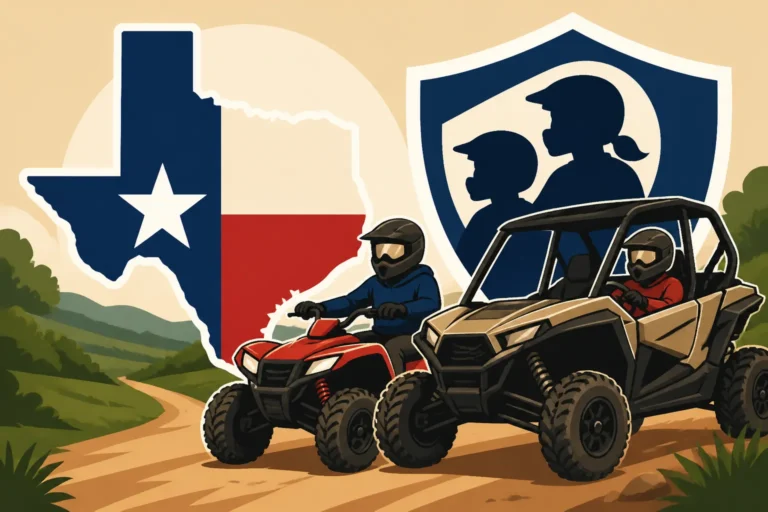
Texas Rules for Riding a Beach
Navigating the unique rules for riding your ATV or UTV on Texas beaches can feel like trying to find a treasure chest without a map. Many folks assume that any stretch of sand along our beautiful Gulf Coast is fair game for their off-highway vehicle (OHV), only to find themselves facing a stern warning or, worse, a hefty fine. This guide is here to clear up the confusion, lay out the specific regulations, and help you understand exactly where and how you can legally enjoy beach riding in the Lone Star State, saving you from a vacation headache.
Understanding Texas Beach Access for OHVs
Texas boasts hundreds of miles of coastline, from the bustling shores of Galveston to the serene stretches of Padre Island. It’s a natural draw for anyone with an off-highway vehicle, but the freedom of the open beach isn't quite as open as it might seem for riders. The truth is, bringing your ATV or UTV onto a Texas beach involves a mosaic of state laws and local ordinances, and getting it wrong can quickly turn a fun day into a costly one.
The General Rule: No Unrestricted Beach Riding
Let's cut right to the chase: there is no blanket "ride your ATV anywhere you want on the beach" law in Texas. This often comes as a surprise and a major frustration for riders, especially those who might be visiting from other states or who fondly remember a time when beach access felt less restricted. You might have seen videos or heard stories of wide-open beach riding in places like Mexico or certain spots in Florida, and it's easy to assume Texas operates similarly. Unfortunately, that's rarely the case. Our state's approach prioritizes public access for recreation while carefully managing environmental protection and public safety, which often means limiting or prohibiting OHV use.
Instead of a free-for-all, Texas has a highly regulated system. This means that if you're planning to take your quad or side-by-side to the sand, you absolutely must do your homework first. Showing up with your rig loaded, only to find "No OHV" signs everywhere, is a common and thoroughly disappointing experience. The regulations are in place for various reasons, including protecting sensitive dune ecosystems, ensuring the safety of beachgoers, and managing traffic flow in popular tourist areas. It’s a delicate balance, and OHV access is often the first thing to be restricted when conflicts arise.
Who Controls Texas Beaches and OHV Access?
One of the biggest sources of confusion for riders is figuring out who makes the rules. Is it the state? The county? The city? The answer, unfortunately, is "all of the above," and it creates a complex patchwork of regulations. While the Texas General Land Office (GLO) manages and protects the state's public lands, including much of the coastline and ensuring general public access, they generally don't set specific OHV use rules. That responsibility usually falls to local jurisdictions.
For example, a major tourist destination like the City of Galveston might have strict ordinances banning recreational ATV riding on its city beaches, even though the broader Galveston County might allow OHVs in other, less populated areas. Similarly, a smaller coastal community might have its own set of rules, often driven by local concerns about noise, environmental impact, or public safety. This means that simply knowing you're in "Texas" isn't enough; you need to pinpoint the exact city or county jurisdiction where you plan to ride. Local law enforcement, like county sheriff's deputies or city police, are the ones who will be enforcing these specific rules, so it's their ordinances you need to be familiar with to avoid a [Getting Ticketed Riding on a Gulf Coast Beach]. It's not uncommon for a rider to be perfectly legal in one part of a county, only to drive a few miles down the road into a different jurisdiction and suddenly be in violation of a completely different set of rules.
The "Open Beach" vs. "Closed Beach" Concept
When discussing Texas beaches, you’ll often hear the terms "Open Beach" and "Closed Beach." It’s crucial to understand that these terms primarily refer to public pedestrian access up to the vegetation line and do not automatically translate into OHV access. The Texas Open Beaches Act ensures the public's right to access the Gulf Coast beaches. An "open beach" means the public has the right to use the area between the mean low tide line and the line of vegetation. This is a fundamental right for walking, swimming, and enjoying the natural beauty.
However, just because a beach is "open" to the public doesn't mean it's open to vehicles, especially off-highway vehicles. In many "open beach" areas, regular street-legal vehicles might be allowed to drive or park in designated zones, often requiring a beach parking permit. Even in these cases, ATVs and UTVs might still be explicitly prohibited due to their specialized nature, potential for environmental damage, or safety concerns among other beachgoers. "Closed beaches," on the other hand, are typically areas where private property extends closer to the water, or where specific conservation efforts have led to strict access limitations, even for pedestrians. If a beach is "closed," you can be almost certain that OHV use will be completely out of the question. Always remember that the "open beach" designation is about ensuring public access for enjoyment, not necessarily about unrestricted vehicular travel.
Specific Texas Beaches and Their OHV Rules
With miles of diverse coastline, Texas offers a variety of beach experiences, but OHV access is far from uniform. Knowing which stretches of sand welcome your ATV or UTV and which absolutely don't is paramount. Many riders dream of cruising along the water's edge, but the reality is often much more segmented, with specific zones, permits, and restrictions defining your experience.
Gulf Coast Beaches Allowing OHVs
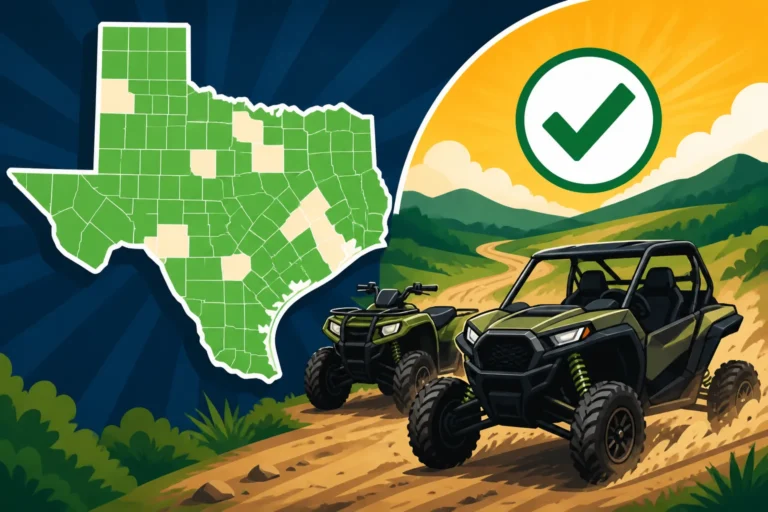
While widespread OHV access is rare, there are indeed a few notable areas along the Texas Gulf Coast where you might be able to ride, often with specific conditions. These are typically less developed stretches or areas specifically designated for vehicles.
One of the most well-known spots where some vehicular beach access is allowed is the Bolivar Peninsula in Galveston County. Here, you'll often find vehicles, including street-legal trucks and SUVs, driving and parking on the beach. While ATVs and UTVs may be present, riders must pay very close attention to local ordinances. Galveston County often requires a beach parking sticker for any vehicle on its beaches, and specific rules apply to the operation of OHVs, including speed limits, environmental zones, and general conduct. It's not a free-for-all, but rather an area where OHV presence is more common than in other places. Always check the current Galveston County regulations before heading out.
Another significant area is Padre Island National Seashore (PINS), south of Corpus Christi. PINS offers miles of undeveloped beach, and driving is permitted on much of it, typically requiring a permit and adhering to strict environmental rules. While primarily intended for street-legal 4×4 vehicles for camping, fishing, and accessing remote areas, the National Seashore has specific regulations for all vehicles, including OHVs. Riders here must be incredibly mindful of speed limits, designated driving corridors, and, most importantly, protecting the nesting areas of sea turtles and migratory birds. Any deviation from the rules can result in severe penalties, as this is a federally protected area. It's essential to visit the National Park Service website for Padre Island National Seashore for the most current information, as rules can change seasonally or based on environmental conditions. For instance, some areas might be temporarily closed during bird nesting season or sea turtle hatching.
Remember, even in these areas, OHVs are generally treated like other vehicles on a public thoroughfare, meaning you'll need a valid driver's license, and your machine must comply with any applicable equipment rules, like having proper headlights and taillights if riding at dawn or dusk. Often, the allowance is for transportation to a fishing spot or camping area, rather than simply recreational "joy riding" at high speeds.
Gulf Coast Beaches Prohibiting OHVs
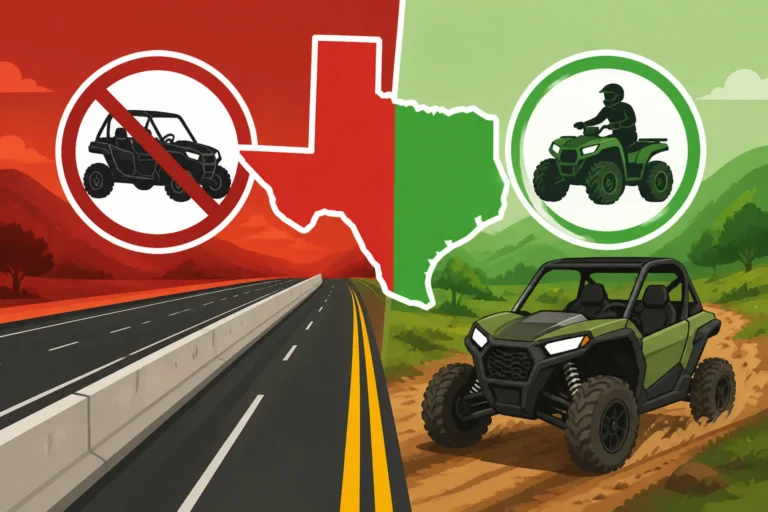
The vast majority of developed Texas Gulf Coast beaches, especially those within city limits, explicitly prohibit recreational ATV and UTV riding. This is a common point of contention for riders, but it's crucial for safety and environmental reasons.
Galveston City Beaches, for example, are generally off-limits for recreational ATV and UTV use. While street-legal vehicles may be permitted to drive or park in specific areas with a beach tag, OHVs are typically not allowed for cruising or playing in the sand. This restriction helps manage the massive crowds that flock to Galveston's popular shores, preventing potential collisions between fast-moving OHVs and pedestrians, especially children. Similar bans are often found in other popular city beach areas like those in Corpus Christi (within city limits), South Padre Island (within city limits), and Port Aransas. These areas are designated for traditional beach activities like swimming, sunbathing, and sandcastle building, and the introduction of OHVs would create significant safety hazards and environmental disruption.
These prohibitions are usually enforced vigorously by local police departments. If you're caught riding your OHV in a prohibited area, you can expect fines, and your machine may even be towed or impounded. The local authorities prioritize public safety and the experience of the vast majority of beachgoers, so rules regarding vehicles are often strictly upheld. Before you even think about unloading your machine, check the city's official website or call their local police or parks department. It's always better to get a definitive answer than to risk a citation. You might think you're just riding on an "open beach," but that right doesn't extend to all vehicles in all places. [Beaches Closed by a City] can lead to unpleasant surprises.
Riverbeds and Bay Shorelines: A Different Ballgame
While the allure of the Gulf Coast is strong, some riders might wonder about other sandy or muddy areas, like riverbeds and bay shorelines. It's important to understand that these environments are distinct from the Gulf beaches and come with their own, often more complex, set of rules. Generally speaking, accessing and riding OHVs on riverbeds and bay shorelines in Texas is even more restricted and carries higher risks of trespass or environmental damage than Gulf beaches.
Many riverbeds in Texas are either private property, especially as they cross ranch lands, or fall under the jurisdiction of various water authorities or state agencies like the Texas Parks and Wildlife Department (TPWD) or the General Land Office (GLO) for navigable rivers. Even for navigable rivers, the public's right of use typically pertains to floating or boating, not driving ATVs. Riding an OHV on a riverbed can lead to severe environmental consequences, disturbing aquatic life, damaging riverbanks, and contributing to erosion. As such, explicit permission from landowners or relevant authorities is almost always required, and it's rarely granted for recreational OHV use. [Riding a Riverbed Nobody Owns] is a common misconception; most riverbeds are, in fact, owned or controlled by someone.
Bay shorelines present similar challenges. These areas are often critical habitats for birds, marine life, and sensitive marshland vegetation. OHV activity can cause significant damage to these ecosystems. Many bay areas are bordered by private land, and accessing the shoreline might require crossing private property, leading to trespass charges. Furthermore, the ground along bay shorelines can be notoriously soft and muddy, posing a significant risk of getting stuck and causing further environmental disruption during recovery. Unlike the firmer, more expansive sand of some Gulf beaches, bay shorelines are generally not conducive to recreational OHV riding and are rarely, if ever, designated for such use. Always assume these areas are off-limits unless you have explicit, written permission from all relevant landowners and authorities. [Riding a Bay Shoreline] comes with its own set of unique challenges and regulatory hurdles.
Permits, Licenses, and Fees for Texas Beach Riding
So, you've identified a spot where OHVs might be allowed on the beach. Great! But your preparation isn't over. Just like driving on a regular road, taking your OHV to a permitted beach area often involves specific permits, a valid driver's license, and sometimes even fees. Ignoring these requirements is an easy way to invite a citation, even if you're in an otherwise permissible riding zone.
The Driver's License Requirement
This is a big one that often catches riders off guard. If you are operating an ATV or UTV on a Texas beach, and that beach is considered a public roadway or designated driving area, then you absolutely must possess a valid driver's license. Many Texas beaches, particularly those where vehicular traffic is allowed, are legally considered public roads under local ordinances. This means all the rules of the road that apply to a car or truck also apply to your OHV in that specific context.
Think of it this way: if a regular car needs a licensed driver to operate on that stretch of sand, your ATV or UTV will too. This isn't just a recommendation; it's a legal requirement. Riders, especially younger ones, who may operate an ATV off-road on private property without a driver's license, can find themselves in serious trouble when they hit a public beach. A Class C misdemeanor fine can quickly turn a fun outing into a major hassle. So, before you even consider heading out, make sure whoever is at the controls has their driver's license current and in their pocket. This is a fundamental step to ensuring you're compliant with [Texas Beach Driving License Requirement].
Local Permits and Beach Tags
Beyond your personal driver's license, the machine itself often needs a form of permission to be on the beach. Many Texas counties and cities that allow vehicular beach access require a special beach parking permit or access tag. These are typically annual stickers that you affix to your vehicle, serving as proof that you've paid the necessary fee to use the designated beach areas.
These permits are not just a way to generate revenue; they often fund crucial beach maintenance, clean-up efforts, and environmental protection programs. The cost of these permits varies by county and city, but they are generally quite affordable for an annual pass. You can usually purchase them at local convenience stores, bait shops, county tax assessor-collector offices, or sometimes directly at beach entrances. For example, Galveston County, Jefferson County, and Kleberg County (for parts of Padre Island) are known for requiring such permits. Even if you're pulling a trailer, the permit is typically for the vehicle that will be operating on the sand.
It's absolutely essential to acquire one of these permits before you drive your OHV onto the beach. Enforcement officers regularly patrol these areas, and if you don't have the required sticker prominently displayed, you'll likely receive a ticket. Don't assume that because you're on a "beach" the normal rules of vehicle access are suspended. These local permits are a critical part of managing public access and ensuring the sustainability of our coastal resources. They also help distinguish legal users from those who might be attempting to bypass regulations.
Understanding Environmental Regulations and Fees
In certain ecologically sensitive beach areas, especially those designated for conservation or within state or national parks, you might encounter additional environmental regulations and associated fees. These go beyond the standard beach access permits and are specifically designed to protect fragile ecosystems, wildlife habitats, and historical sites.
For instance, at Padre Island National Seashore, in addition to the standard National Park Service entrance fee, there are often specific regulations concerning where you can drive, camp, and even how you dispose of waste. These rules are stringent because the seashore is a critical nesting ground for Kemp's ridley sea turtles and a migratory stop for numerous bird species. Disturbing these animals or their habitats, even unintentionally, can lead to severe fines and penalties under state and federal law. Similarly, some county or city ordinances might impose additional environmental fees or require adherence to specific guidelines in areas prone to erosion or vital for dune preservation.
These fees and regulations are in place for a good reason. The Texas coast is a dynamic and delicate environment, constantly battling erosion, pollution, and the impacts of human activity. The funds generated often go directly to projects like dune restoration, trash removal, and wildlife monitoring. When planning your beach trip, always look for information on environmental zones, restricted areas, and any special permits required for activities beyond simple vehicle passage. Respecting these rules isn't just about avoiding a fine; it's about being a responsible steward of Texas's natural heritage. Ignorance of these specific rules can lead to significant problems and contribute to [Beaches Closed by a County Order] due to environmental damage.
Essential Equipment and Safety for Texas Beach Riding
Riding your ATV or UTV on a Texas beach, even in permitted areas, presents a unique set of challenges that differ significantly from trail riding or farm use. The combination of salt, sand, and open spaces means you need to prioritize both your personal safety and the longevity of your machine. Proper preparation and the right gear aren't just about compliance; they're about ensuring a safe, enjoyable, and trouble-free experience.
Mandatory and Recommended Safety Gear
First and foremost, let's talk about rider safety. While some areas might have less stringent helmet laws for adults on beaches compared to dedicated OHV parks, it's always smart to wear one. Helmets are absolutely critical for preventing head injuries, and if you're riding an ATV, it's a non-negotiable piece of equipment for youth riders and often recommended or required for adults in most scenarios. Eye protection is another must-have, as sand and wind can quickly impair your vision. Goggles or safety glasses will save your eyes from airborne sand, debris, and the harsh glare off the water.
Beyond the basics, here's what else to consider:
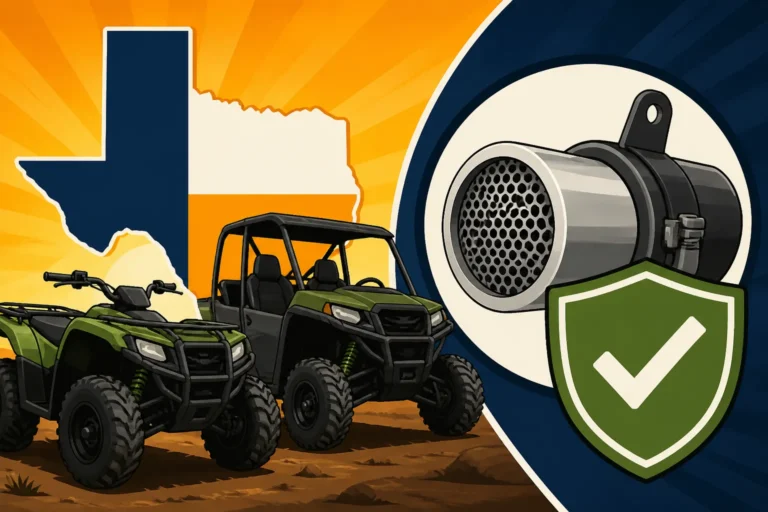
- Spark Arrestors: If you're riding on any public land, including many beach areas, your OHV must have a U.S. Forest Service-qualified spark arrester. This is a crucial piece of equipment to prevent wildfires, especially in dry coastal vegetation. [Texas Spark Arrester Requirement] is a serious one.
- Whip Flags: While not always strictly mandated on all beaches, a bright, tall whip flag is a wise addition, especially in areas where visibility might be limited by dunes or other vehicles. It makes your OHV much easier to spot by other drivers and beachgoers.
- Lights: If there's any chance you'll be riding near dusk, dawn, or in foggy conditions, working headlights and taillights are essential. Many beaches that allow vehicles treat them like public roads, and proper lighting ensures you're visible.
- First-Aid Kit: Sand can cause scrapes, and accidents can happen. A well-stocked first-aid kit is always a good idea.
- Communication Device: Cell service can be spotty in remote beach areas. Consider a satellite messenger or two-way radio for emergencies.
- Sun Protection: The sun's glare off the water and sand can be intense. Sunscreen, hats, and appropriate clothing are a must.
For those looking to beef up their machine for the rigors of beach riding, consider components that can withstand the corrosive environment. Reputable brands like SuperATV offer heavy-duty suspension components, skid plates, and sealed bearings that can better endure the constant assault of sand and saltwater. Their robust designs can mean the difference between a smooth ride and unexpected breakdowns, giving you peace of mind that your investment is protected against the harsh coastal elements.
Machine Preparation for Saltwater and Sand
Saltwater and sand are two of an OHV's worst enemies. Salt is highly corrosive, and sand is incredibly abrasive. Ignoring these factors can lead to rapid deterioration of your machine, costly repairs, and ultimately, a shortened lifespan for your ATV or UTV.
- Thorough Cleaning is Paramount: After every beach ride, give your machine a meticulous cleaning. Rinse it thoroughly with fresh water, paying special attention to the undercarriage, suspension components, brakes, and any exposed metal. A pressure washer can be helpful, but be careful not to blast directly into seals or electrical components. Use a good quality ATV/UTV wash that helps neutralize salt.
- Lubrication and Anti-Corrosion: Immediately after cleaning and drying, re-lubricate all moving parts, including chains, cables, and pivot points, with a marine-grade grease or lubricant. Apply an anti-corrosion spray to exposed metal components, electrical connections, and fasteners. This creates a protective barrier against the salt.
- Air Filter Care: Sand is brutal on air filters and engines. Inspect and clean or replace your air filter more frequently when riding on the beach. Consider using a pre-filter or a high-quality filter designed for dusty, sandy conditions to prevent fine particles from reaching your engine.
- Tire Pressure: Adjust your tire pressure. Slightly deflating your tires can increase your contact patch, giving you better traction in soft sand and a smoother ride. Just remember to reinflate them to manufacturer specifications once you're back on harder surfaces.
- Fluid Checks: Always check your fluid levels (oil, coolant, brake fluid) before and after a beach ride. The unique demands of sand riding can put extra stress on your engine and transmission.
- Component Check: Pay close attention to your brakes, wheel bearings, and electrical system. Sand can get into brake calipers, causing premature wear, and saltwater can wreak havoc on wiring. Installing quality aftermarket parts, perhaps from SuperATV, designed to be more resistant to elements, can significantly extend the life of your machine. This could include sealed CV boots or stronger A-arms that resist bending from unexpected impacts in soft sand.
Rules for Carrying Passengers and Children
When it comes to carrying passengers on Texas beaches, the rules mirror general OHV safety guidelines, which means they are quite strict, especially for ATVs. Most ATVs are designed for a single rider only. Manufacturer warnings explicitly state that carrying a passenger can compromise stability, handling, and safety, leading to serious accidents. If your ATV is not explicitly designed by the manufacturer to carry a passenger, then you should not carry one, regardless of whether you're on a beach or a trail. This includes small children sitting in front of or behind the operator.
For UTVs, or side-by-sides, the rules are more accommodating, as these machines are designed with multiple seats and seatbelts. However, all passengers must be in manufacturer-designed seating positions and utilize the factory-installed seatbelts. Children riding in UTVs must be tall enough to sit properly with their feet flat on the floor and their back against the seat, and they must be able to securely fasten the seatbelt. Age restrictions may also apply in certain recreational areas, and generally, children should only ride in UTVs if they meet the manufacturer's recommended age and size guidelines.
Even in areas where beach driving is permitted, the Texas Parks and Wildlife Department (TPWD) and local ordinances enforce strict rules regarding passenger safety on OHVs. Violations can lead to fines and, more importantly, put your passengers at significant risk. Always consult your OHV's owner's manual for specific passenger recommendations and adhere to all local regulations. Your machine might be ready for adventure thanks to robust components, but even the best SuperATV upgrades can't overcome a fundamental safety violation like improper passenger seating. Always prioritize safety over convenience. For more details on this, refer to [Texas Passenger Rules on an ATV].
Common Violations and Penalties
Riding your ATV or UTV on Texas beaches can be an incredible experience when done correctly and legally. However, the complex web of regulations means that it’s all too easy to inadvertently commit a violation. Understanding the common missteps and their associated penalties is crucial to avoiding a costly and frustrating end to your beach day. Ignorance of the law, unfortunately, is rarely a valid excuse.
Illegally Riding on Closed Beaches or Prohibited Areas
This is perhaps the most common and often the most severely penalized violation. Many riders, seeing a wide-open stretch of sand, assume it’s permissible to ride, only to discover too late that they’ve entered a prohibited zone. As we discussed, many city beaches and environmentally sensitive areas are strictly off-limits to OHVs. These "closed" or prohibited areas exist for various reasons:
- Public Safety: To protect pedestrians, especially in crowded tourist areas, from fast-moving vehicles.
- Environmental Protection: To safeguard fragile dune systems, nesting bird habitats, or sea turtle breeding grounds.
- Property Rights: Some beach areas are privately owned or have restricted access due to private property boundaries.
If you are caught riding an OHV in a designated closed beach area, the consequences can be significant. You can expect a Class C misdemeanor citation, which typically carries a fine that can range from a few hundred dollars up to $500, plus court costs. Beyond the monetary penalty, your OHV may be towed and impounded, incurring additional impoundment and storage fees that can quickly add up to hundreds more. Retrieving your machine can be a bureaucratic nightmare. In some sensitive areas, especially federal lands like Padre Island National Seashore, violations related to environmental damage can even lead to federal charges and much steeper penalties. The frustration of having your vehicle taken away and facing a hefty fine is a common experience for those who fail to check local ordinances. You don't want to find yourself dealing with [Getting Ticketed Riding on a Gulf Coast Beach] for simply not knowing the rules.
Violations Related to Permits, Licenses, and Equipment
Even if you’re in an area where OHV riding is permitted, forgetting or failing to obtain the proper documentation or having inadequate equipment can still lead to a citation. These might seem like minor details, but they are taken seriously by law enforcement.
- No Beach Permit/Tag: Many counties and cities require a specific beach parking permit or access tag for any vehicle, including OHVs, to be on the beach. Failing to display this permit is a common reason for a ticket. These fines are typically less severe than for riding in a prohibited area but are still an unnecessary expense.
- No Valid Driver's License: As mentioned, if the beach is considered a public roadway, you must have a valid driver's license. Operating an OHV without one can result in a significant fine and, depending on your age and record, other legal repercussions. This applies even if you are an experienced rider but simply forgot your license at home.
- Missing or Inadequate Safety Equipment: While helmet laws for adults on beaches can vary, missing a required spark arrester, proper lighting (if riding at specific times), or carrying an improper number of passengers can lead to fines. For example, if your ATV is clearly a single-rider machine, but you have a passenger, you could be cited for [Texas Passenger Rules on an ATV]. Similarly, if your machine is excessively loud, you might be in violation of noise ordinances, even if it has a basic muffler.
- OHV Decal: While less common for beach driving (as the beach is often considered a roadway rather than an off-highway trail), if the area is also designated as an OHV trail or park, you might need a valid [Texas OHV Decal Explained]. Always check specific requirements for the area.
These violations, while often categorized as Class C misdemeanors, can quickly add up. Imagine getting a ticket for no beach permit, another for no driver's license, and yet another for an equipment violation—what started as a simple outing could result in several hundred dollars in fines and numerous headaches.
Environmental Damage and Reckless Operation
These types of violations carry some of the most serious consequences, reflecting the state's commitment to protecting its natural resources and ensuring public safety.
- Environmental Damage: This includes riding through protected dunes, disturbing bird nesting sites, driving over sensitive vegetation, or interfering with sea turtle nesting areas. Texas has strict laws, often enforced by the Texas Parks and Wildlife Department, to protect these habitats. Causing environmental damage can lead to substantial fines, potentially into the thousands of dollars, and even require restitution for restoration efforts. For example, damaging a dune system, which is vital for coastal protection, is a serious offense.
- Reckless Operation: This encompasses dangerous driving behaviors such as excessive speed near other beachgoers, performing stunts, driving too close to the water where waves can be unpredictable, or operating your OHV while intoxicated. Reckless operation endangers everyone on the beach, and law enforcement will not hesitate to issue severe citations. Driving while intoxicated on a beach is treated similarly to a DWI on a regular road and can lead to license suspension, significant fines, and potential jail time.
- Pollution/Littering: Leaving trash behind, or worse, spilling fuel or oil, is not only irresponsible but also illegal. Fines for littering can be substantial, and polluting sensitive environments can lead to much harsher penalties, especially if it's deemed to have a significant impact on wildlife or water quality.
These types of violations not only result in legal penalties but also contribute to a negative perception of OHV riders, which can lead to further restrictions or outright bans on beach riding in the future. Responsible riding means respecting the environment and the safety of all beach users. Remember, the goal is to enjoy the beach, not to destroy it or endanger others. Always operate your machine with caution and respect for the natural surroundings.
Where to Find Up-to-Date Information and Plan Your Trip
The dynamic nature of Texas beach regulations means that what was true last year, or even last month, might not be true today. Coastal environments change, local governments pass new ordinances, and new concerns can lead to shifts in access. Therefore, making sure you have the most current information is the most critical step before you even load your ATV or UTV onto a trailer. Don't rely on old forum posts or word-of-mouth; go directly to the source.
Best Resources for Local Ordinances
When it comes to beach access for OHVs, local rules are king. These ordinances are set by individual cities and counties, making them the most important information for your specific destination. Here are the best places to look:
- County Tax Assessor-Collector's Office Websites: These offices are typically responsible for issuing beach parking permits and often have information on local vehicular access rules. Their websites are a great starting point for county-level regulations, especially concerning [Which Gulf Beaches Stay Open to Vehicles].
- City Parks and Recreation Department Websites: If you're planning to ride within city limits, the city's parks and recreation department or city clerk's office website will usually have detailed ordinances regarding beach use. Look for sections on vehicle access, prohibited activities, and permit requirements.
- Local Law Enforcement (Non-Emergency Line): When in doubt, call the non-emergency line of the local sheriff's department (for county beaches) or city police department (for city beaches) where you plan to ride. Explain your intent (e.g., "I plan to bring my ATV to [specific beach] and would like to know the current rules and permit requirements"). They are the ones who enforce the rules and can give you the most accurate, up-to-date information. Just be polite and specific about your questions.
- Official Visitor Bureaus/Chambers of Commerce: While they might not have the legal text, these organizations often have tourist-friendly summaries of beach access rules, including where to get permits and general prohibitions. They can be a good starting point to point you to the official sources.
It is absolutely crucial to verify the rules for the exact stretch of beach you intend to visit. Moving even a few miles down the coast can put you in a different jurisdiction with completely different rules. A simple phone call or a quick check of an official website can save you a significant amount of trouble and potential fines.
Consulting State Agencies
While local ordinances govern the specifics of OHV beach access, several state agencies provide overarching guidance and manage broader aspects of coastal management. Understanding their roles can help you find comprehensive information, especially regarding environmental protections.
- Texas Parks and Wildlife Department (TPWD): TPWD is the primary state agency responsible for managing wildlife and state parks. While they don't issue permits for all beaches, their website offers general information on OHV use in Texas, safety regulations, and environmental concerns. If you're looking at a state park with beach access, their specific park rules will apply, and you might also need a [Texas OHV Decal Explained] if you're on a designated OHV trail section within a park.
- Texas General Land Office (GLO): The GLO manages Texas's public lands, including the "open beach" areas. Their website provides information on the Texas Open Beaches Act and general public access rights. While they don't typically regulate OHV use directly, understanding the GLO's role can provide context for why certain access rules are in place. They are particularly keen on protecting the public's right to access the beach up to the vegetation line.
- Texas Commission on Environmental Quality (TCEQ): For serious environmental concerns, the TCEQ might be involved. While you won't typically consult them for day-to-day riding rules, understanding that damaging coastal environments can lead to significant state-level penalties is important.
Always remember that state-level guidance sets the broad framework, but local jurisdictions often layer on more specific, and usually more restrictive, rules for OHV access on their beaches.
The Importance of Planning Ahead
Impulsive beach trips can be wonderful, but not when you're hauling an OHV. For a successful and legal beach riding experience in Texas, meticulous planning is key. Don't just show up; have a solid plan.
- Check Tide Schedules: Tides can dramatically affect the amount of usable beach space. Riding at high tide can leave you with very little room, increase the risk of getting stuck, or even trap you against an incoming tide. Always consult tide charts for your chosen location.
- Monitor Weather Forecasts: Coastal weather can change rapidly. High winds can make riding unpleasant and increase sand abrasion. Rain can make access roads muddy, and storms can lead to closures.
- Pack Accordingly: Beyond your safety gear and machine prep, remember to bring plenty of fresh water, snacks, trash bags (pack it in, pack it out!), and any recovery gear you might need (tow strap, shovel, air compressor). Even the toughest SuperATV machine can get stuck in soft sand if you're not careful, so being prepared for self-recovery is smart.
- Inform Others: Let someone know where you're going and when you expect to return, especially if you're heading to a remote beach area.
To help you visualize the varied landscape of Texas beach access for OHVs, here's a general comparison of some popular coastal areas:
| Beach Area / Location | Typical OHV Access | Permit/Fees Required? | General Restrictions / Notes |
|---|---|---|---|
| Galveston City Beaches | Prohibited | Yes (for street-legal cars) | No recreational ATVs/UTVs. Heavily patrolled, fines likely. |
| Bolivar Peninsula (Galveston County) | Limited | Yes (County Beach Sticker) | Specific zones, often treated like a public road. Driver's license required. |
| South Padre Island (City Limits) | Prohibited | Yes (for street-legal cars) | No recreational ATVs/UTVs. Strict enforcement. |
| North Padre Island (outside city, but before PINS) | Limited | Yes (County Beach Sticker) | Similar to Bolivar, specific rules. |
| Padre Island National Seashore (PINS) | Limited | Yes (NPS Entrance Fee & potentially special vehicle permits) | Extensive rules for environmental protection, 4×4 vehicles common. OHV specific rules vary. |
| Mustang Island State Park | Prohibited | Yes (State Park Entry Fee) | OHVs not permitted on beach. |
| Matagorda Bay Nature Park | Prohibited | Yes (Park Entry Fee) | OHVs not permitted on beach. |
| Port Aransas (City Limits) | Prohibited | Yes (for street-legal cars) | No recreational ATVs/UTVs. |
This table is a simplified guide. Always confirm the exact rules for your specific destination before you go. Planning ahead is the difference between a fantastic day riding by the Texas coast and a frustrating encounter with law enforcement.
Disclaimer
This article is for general informational purposes only and does not constitute professional advice. Laws, prices and regulations vary by location and change over time. Consult a qualified professional for guidance on your specific situation.