Equipment a Texas OHV Needs on a Road
It's a common dream for Texans who own an ATV or UTV: the freedom to simply ride their machine down the road to a neighbor's house, a local store, or even just to connect trails. But the reality in our great state is often a harsh awakening, as Texas law heavily restricts when and how these off-highway vehicles can touch public asphalt. This guide is here to untangle the complex web of regulations and clearly explain the specific equipment your Texas OHV needs – and just as importantly, when those requirements even apply – if you ever hope to legally operate it on a public road.
The Harsh Reality: Why Street Legal is So Tough in Texas
Let's just be upfront about it: turning your ATV or UTV into a truly "street legal" vehicle for general road use in Texas is, for all intents and purposes, impossible. Many folks move to Texas from other states, or they hear stories, and they think a few modifications will get them where they want to go. The frustration is absolutely real when you realize that the rules here are different, often more restrictive, and sometimes feel counterintuitive. You might spend a bunch of money on lights, signals, and mirrors, only to find out you're still not meeting the fundamental legal definitions that would allow registration as a regular motor vehicle. [Are ATVs Street Legal in Texas?] is one of the most common questions we hear, and the short answer is almost always "no."
The Fundamental Classification Hurdle
The core issue isn't about having enough lights; it's about how Texas classifies ATVs and UTVs in the first place. Texas law considers these machines "off-highway vehicles," or OHVs, which means their primary design and intended use are not for public roads. They simply do not fit the criteria for a motor vehicle that can be registered for general road travel. This classification is the bedrock of why full street legality remains out of reach for most. It's not a matter of adding a turn signal kit; it's a matter of the state's very definition of the machine itself.
Why Texas Will Not Register an ATV for the Road
Because of this fundamental classification, Texas simply will not issue a standard motor vehicle registration or license plate for an ATV or UTV that would allow it to be driven like a car or truck on public roads. You can try, but the county tax office will explain that the system isn't designed for it. [Why Texas Will Not Register an ATV for the Road] delves deeper into this, but the gist is that OHVs are built differently, lack certain safety features mandated for on-road vehicles (like crumple zones or airbags), and are therefore deemed unsuitable for highway speeds and mixed traffic. The state draws a clear line, prioritizing public safety by keeping these machines off the typical commuter routes. It’s a bitter pill to swallow for many, especially if you envision your UTV as a versatile workhorse for ranch and town.
Understanding Texas OHV Road Access Exceptions
While general street legality is largely a myth, Texas does have very specific and limited exceptions that allow OHVs to operate on certain public roads under strict conditions. These exceptions are critical because they are the only times you will ever need to consider the specific equipment requirements for road use. Without one of these exceptions applying, your OHV simply shouldn't be on the road, regardless of what equipment it has. These rules aren't just suggestions; they are state law, and ignoring them can lead to significant penalties.
Agricultural and Ranch Operations
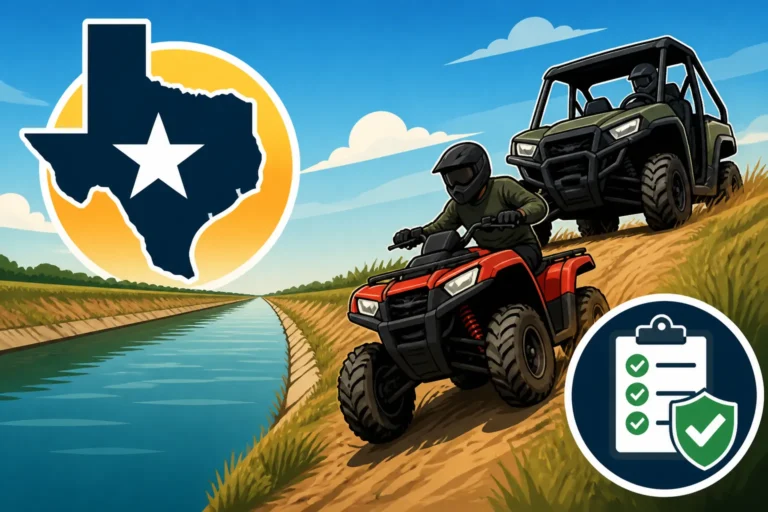
One of the most common and practical exceptions is for agricultural purposes. If your OHV is being used in the course of farming, ranching, or other agricultural operations, you might be able to operate it on public roads. This isn't a free pass, however; there are still limitations on distance and specific conditions that must be met. [Texas Rules for Riding a Farm Road] covers this extensively, explaining that you might be able to cross roads or travel short distances along them to access different parts of your property, move equipment, or tend to livestock. It's about legitimate farm work, not joyriding.
Crossing Roads and Low-Speed Zones
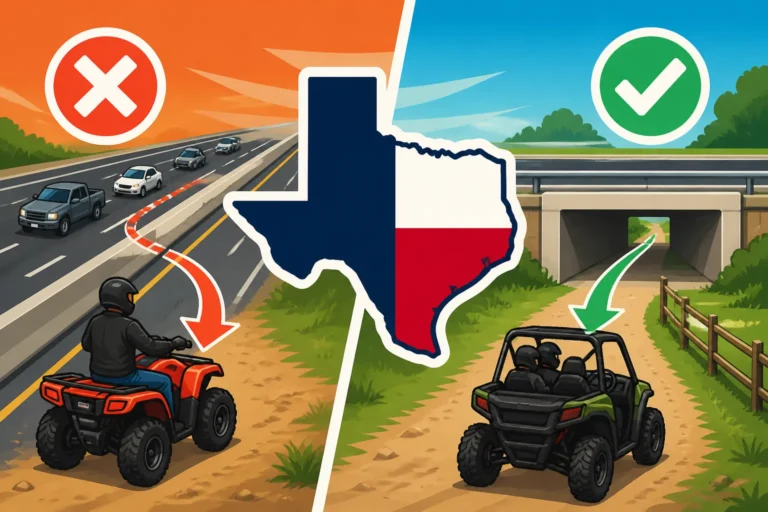
Texas law also permits OHVs to cross public roads, typically at a 90-degree angle, after coming to a complete stop, and only when safe to do so. This is usually to get from one section of private land to another. Additionally, some specific counties, cities, or master-planned communities may have ordinances allowing OHVs on roads with speed limits of 35 mph or less. This is highly localized, meaning what's allowed in one small town might be strictly forbidden just a few miles away. You absolutely must check local ordinances. [Texas Rules for Riding on a 35 mph Road] explains the conditions for these rare allowances, emphasizing that the OHV must still meet basic safety equipment standards even for these limited uses.
Volunteer Firefighter and Utility Operations
Another important exception exists for volunteer firefighters and certain utility workers. In emergency situations or when performing duties related to maintaining utility infrastructure, OHVs may be granted access to public roads. These are specific, duty-related uses where the vehicle is integral to a public service. Again, these aren't general allowances; they are tied to the specific function and purpose of the operation. In these scenarios, the equipment requirements become even more critical, as the machine might be operating in less than ideal conditions or at times when public visibility is reduced.
Mandatory Equipment for Limited Road Use
When one of those rare exceptions does apply, your OHV needs to meet certain minimum equipment standards. This isn't about making it "street legal," but rather ensuring it's as visible and controllable as possible for the brief, permitted moments it’s on a public road. Think of these as basic safety expectations, not a comprehensive transformation into an on-road vehicle. Failing to have these can lead to a Class C Misdemeanor citation, even if you are otherwise operating under a valid exception. [Texas Equipment Rules for an ATV on a Road] lists these out, but we'll go into detail here.
Headlights, Taillights, and Reflectors
For any road use, especially when crossing or operating during low light conditions, proper lighting is non-negotiable. Your OHV must have at least one headlight that can illuminate the road ahead, visible from a specific distance. Just as crucial are working taillights that are clearly visible from the rear. These are often integrated into the manufacturer's design, but it’s essential to ensure they are fully functional, clean, and not obscured. Many aftermarket options exist, and while companies like SuperATV offer fantastic light bars and auxiliary lighting for off-road visibility, the primary focus for road use should be on the legally required forward and rear-facing lights that meet visibility standards.
Beyond powered lights, red reflectors are often required on the rear of the machine, even if your taillights are working. These passive safety devices help ensure your OHV is seen even if electrical power fails or your lights are off during daylight hours. Check your machine to ensure these are present, clean, and not damaged. It's a small detail that can make a big difference in preventing an accident, especially on a dusty rural road where visibility can quickly change.
Working Brakes and a Muffled Exhaust
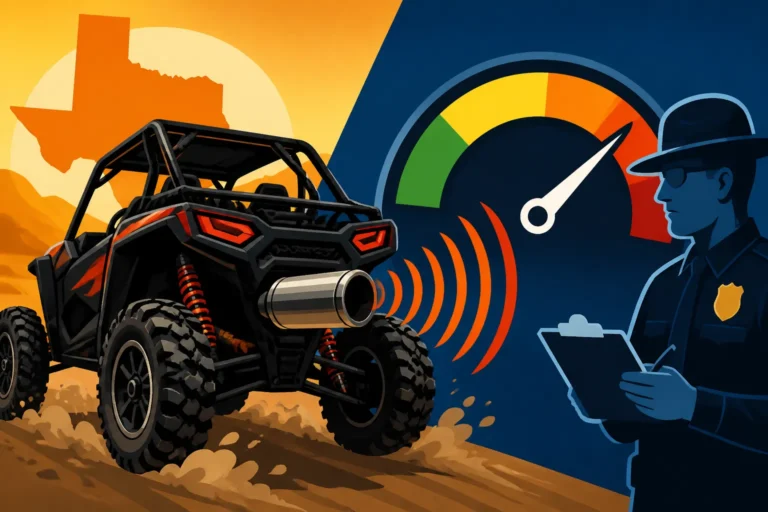
Stopping power is paramount. Your OHV must have fully functional brakes, both front and rear if designed that way, that can bring the machine to a safe and controlled stop. This isn't just about passing an inspection; it's about your safety and the safety of others. Regularly inspect your brake pads, fluid levels, and brake lines. Similarly, an adequate muffler is required to keep noise levels within reasonable limits. Excessive exhaust noise can be a nuisance and a violation of local ordinances or state law, even for OHVs. Ensure your muffler system is intact and not modified in a way that significantly increases its volume.
Spark Arrester and Protective Fenders
A spark arrester is a critical safety component, especially when riding in areas prone to wildfires or near dry vegetation. This device prevents sparks from escaping your exhaust and potentially igniting flammable materials. Texas law, particularly when accessing public lands or certain rural roads, often mandates a U.S. Forest Service-qualified spark arrester. [Texas Spark Arrester Requirement] goes into more detail, but know that if your OHV is missing this, you could face fines and contribute to a fire hazard.
Additionally, while not always explicitly listed for "road use," protective fenders are essential. They help prevent mud, rocks, and debris from being thrown by your tires onto other vehicles or pedestrians. Most factory-equipped OHVs will have these, but if you've modified your machine, ensure they still provide adequate coverage. Keeping debris from flying is a matter of common courtesy and safety, particularly when interacting with other road users.
Beyond the Basics: Safety Gear for Riders and Passengers
Beyond the equipment affixed to the OHV itself, there are also vital safety requirements for the people riding it when on a public road. These aren't just recommendations; they are typically legal mandates designed to protect life and limb. Ignoring these can result in tickets and, more importantly, severe injury in the event of an accident.
Helmets and Eye Protection
For riders of ATVs, and often UTVs, a helmet is a fundamental requirement when operating on public roads under any of the limited exceptions. This is particularly true for those under a certain age, but it's always a good idea for everyone. Texas has specific [Texas Helmet Law for ATV Riders], which often mirrors motorcycle helmet laws in its intent. Helmets must be properly fitted and meet federal safety standards (DOT-approved).
Alongside helmets, eye protection is crucial. Goggles or a face shield on a helmet prevent dust, debris, insects, and wind from impairing your vision, which can be disastrous on a road. Even if your OHV has a small windscreen, it's rarely enough to protect your eyes completely, and it certainly won't deflect all incoming hazards. Good quality eye protection is a small investment for a massive increase in safety.
Seat Belts and Manufacturer-Designed Passenger Seating
For UTVs, which typically have roll cages and seating similar to a car, seat belts are mandatory for all occupants if they are equipped. If your UTV has seat belts, they must be worn. This seems obvious, but sometimes people forget when they're just "making a quick trip" down a dirt road that happens to be public. These belts are designed to keep you inside the protective cage in the event of a rollover or collision.
Furthermore, if you plan to carry passengers, your OHV must be designed by the manufacturer with seating for those passengers. This means no riding double on a single-seat ATV, and no extra passengers crammed into a UTV beyond its designed capacity. Each passenger needs a designated, secure seat, ideally with a seat belt if applicable. Carrying a passenger not on a manufacturer-designed seat is not only illegal but incredibly dangerous, as they have no protection or secure place to brace themselves.
The Roll Cage Exemption From a Texas Helmet
In a very specific scenario, a helmet might not be required for occupants of an OHV that has a factory-installed roll cage or enclosed cab, and is equipped with seat belts, and the occupants are wearing those seat belts. This typically applies to many UTVs. However, this is not a blanket exemption and should be carefully understood. Just having a roll cage isn't enough; the combination of a factory cage, seat belts, and wearing them is key. Always prioritize safety and consider wearing a helmet even if technically exempt, especially for children.
Special Conditions and Additional Equipment
Beyond the general requirements, some specific road use scenarios in Texas trigger additional, unique equipment needs. These are designed for specialized operations like agricultural work, where your OHV might be moving slowly or carrying loads, making visibility an even greater concern for other motorists.
The 6-Foot Orange Flag for Agricultural Use
If you are operating your OHV on a public road for legitimate agricultural purposes, Texas law requires a highly visible orange flag. This flag must be at least 12 inches by 12 inches and displayed at least six feet above the ground. The purpose of [The 6-Foot Orange Flag Texas Requires] is to make your slow-moving OHV more noticeable to other traffic, particularly over hills or around bends where your machine might otherwise be obscured. Think of it as an extra warning system for other drivers on rural roads, which often have higher speed limits and less visibility. Attaching this flag securely is important, as you don't want it coming loose and becoming a projectile.
Lights On in Broad Daylight
Even during daylight hours, when you are operating an OHV on a public road under one of the narrow exceptions, you must have your headlights and taillights on. This seemingly redundant rule is another layer of visibility enhancement. On sunny days, it might seem unnecessary, but active lighting makes your machine stand out more, especially against busy backgrounds or in hazy conditions. This helps other drivers perceive your OHV more quickly and accurately, reducing the risk of a collision. It's a simple flick of a switch that significantly boosts your safety profile.
Specific County and Community Rules
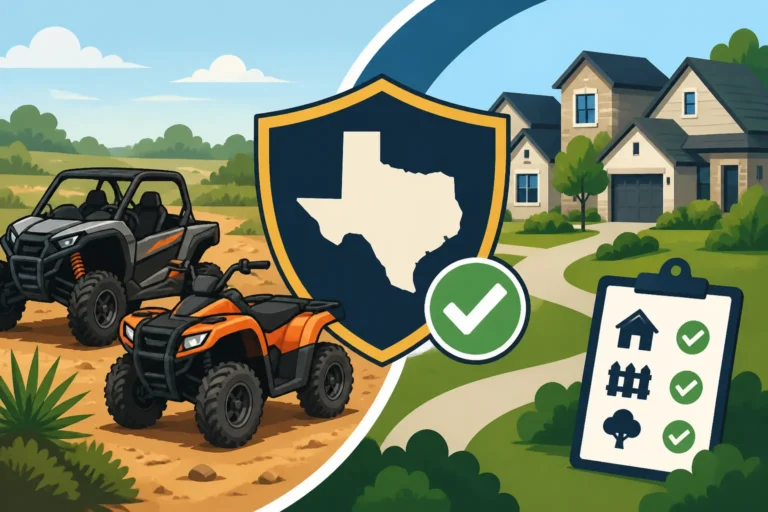
As mentioned, some specific counties, cities, or master-planned communities might permit limited OHV use on certain low-speed roads. When these ordinances exist, they often come with their own set of equipment stipulations in addition to state law. These could include requirements for turn signals, rearview mirrors, or even specific reflective markings. Before venturing onto any public road in an OHV, you must diligently check with the local county sheriff's office, city hall, or community association to understand their specific rules. What is allowed in one area under [Texas Rules for Riding in a Master Planned Community] might be strictly forbidden in another, even if the general conditions seem similar. Ignoring local laws can lead to citations, even if you meet state-level requirements.
The Myth of "Making it Street Legal" with Aftermarket Parts
This is where many OHV owners fall into a trap of frustration and wasted money. There's a common misconception that by adding a full suite of aftermarket accessories – like turn signals, horn, rearview mirrors, and a DOT-approved windshield – you can magically transform your off-highway vehicle into something Texas will allow on every road. Companies like SuperATV, for example, offer an amazing array of products designed to enhance the utility, safety, and performance of your OHV off-road. Their kits might include all the components one would expect for road use, but critically, these parts alone do not change the fundamental legal classification of your machine.
Why Adding Lights and Mirrors Changes Nothing
The state's definition of an OHV, and its exclusion from general road registration, is based on its fundamental design, chassis, and intended use, not just its accessories. You could bolt on every single item you see on a street-legal motorcycle or car – the brightest LED headlights, robust rearview mirrors, even a full turn signal kit – but it still won't meet the legal requirements for registration as a street-legal vehicle. [Why Modifying an ATV Will Not Make It Street Legal] is a harsh truth for many. The modifications are excellent for off-road safety and utility, making your machine more visible on trails or safer during ranch work, but they don't fulfill the legal definition of a "motor vehicle" for general public road travel.
The Illusion of "Street Legal Kits"
You'll see "street legal kits" advertised widely by aftermarket companies, and for good reason: they are legal and necessary in many other states. If you're a multi-state rider, these kits are incredibly useful. However, in Texas, these kits provide the appearance of compliance without providing the legal status of compliance for general road use. They are designed to meet certain equipment standards that some states accept for limited road use or to upgrade machines that are already classified as low-speed vehicles. For an OHV in Texas, while beneficial for safety during permitted limited road use, they don't grant you the same privileges as a registered car or truck. It's vital to distinguish between what makes a vehicle "look" street legal and what actually is street legal under Texas law.
Aftermarket for Off-Road Utility, Not On-Road Status
Focus on aftermarket parts for what they genuinely offer: improved off-road performance, utility, and safety. A robust winch from a reputable manufacturer, heavy-duty suspension upgrades, or durable cargo solutions (like those offered by SuperATV) are fantastic investments for ranch work, trail riding, or overlanding. These enhancements make your OHV more capable and safer in its intended environment. But don't confuse these practical improvements with a legal pathway to driving on highways. Your money is better spent on legitimate safety gear, maintenance, and trail-specific upgrades that enhance your experience within the bounds of Texas OHV law, rather than on modifications aimed at achieving an impossible "street legal" status.
Maintaining Compliance: Checks and Best Practices
So, you've understood the limitations and you know that if you do operate your OHV on a public road under one of the specific exceptions, it needs to be equipped properly. Now, how do you ensure you stay compliant and safe? It's not just about having the equipment; it's about ensuring it's always in good working order and that you're always aware of the strict rules.
Pre-Ride Inspections for Road Use
Before any trip that involves even momentary public road use, perform a quick but thorough pre-ride inspection of your equipment. This should include:
- Lights: Test headlights, taillights, and any required turn signals. Ensure they are bright and clear.
- Brakes: Check brake lever/pedal feel, and test stopping power at a low speed. Make sure they are not spongy or grabbing.
- Tires: Inspect tire pressure and tread condition. Low pressure can affect handling and braking.
- Muffler/Spark Arrester: Listen for excessive noise and visually confirm the spark arrester is in place and undamaged.
- Reflectors: Ensure all required reflectors are clean and intact.
- Safety Flag (if applicable): Verify the orange flag is securely mounted at the correct height for agricultural use.
This routine check ensures that the equipment you rely on for safety and compliance is ready to go. Don't skip it, even for a short hop across the road.
Understanding Local vs. State Rules
Always remember that Texas state law provides the baseline, but local counties and cities can add further restrictions or, in very rare cases, specific allowances for OHV use on certain roads. These local rules often come with their own set of equipment requirements. For example, some jurisdictions that permit golf cart-style vehicles on neighborhood streets might require specific slow-moving vehicle emblems or additional lighting. You are responsible for knowing both state and local regulations for the specific area you are operating in. A quick call to the local sheriff's office or city clerk can save you a lot of headache and potential fines.
Investing in Quality Maintenance
Regular maintenance is key to keeping your OHV's safety equipment functional. Brake systems, lighting, and exhaust components are subject to wear and tear from off-road use. Dust, mud, and vibrations can loosen connections, corrode electrical components, or damage mechanical parts. Adhere to your manufacturer's recommended maintenance schedule, and address any issues with lights, brakes, or exhaust promptly. Quality parts and professional service ensure that when you do need that equipment to perform, it will.
Consequences of Non-Compliance
Operating your OHV on a Texas public road without meeting the specific equipment requirements, or outside of the very narrow legal exceptions, carries real consequences. These aren't just minor inconveniences; they can be costly and lead to legal trouble. It's important to understand the risks before you make a decision that could put you in a tough spot.
Fines and Citations
The most immediate consequence of illegal road use or equipment violations is a fine. In Texas, these types of infractions typically fall under Class C Misdemeanors, which can result in fines ranging from $25 to $500, plus court costs. While seemingly minor for a single incident, these add up quickly. Getting caught without a required helmet, an orange flag for agricultural use, or simply operating your OHV on a prohibited road can lead to a ticket. [Texas Fines for Illegal ATV Road Use] will break down the financial impact in more detail.
Impoundment of Your OHV
In more serious or repeat offenses, law enforcement has the authority to impound your off-highway vehicle. If your OHV is seized, you'll be responsible for towing fees, storage fees, and potentially other administrative costs on top of any fines. Reclaiming an impounded vehicle can be a lengthy and expensive process, causing significant financial strain and hassle. It's a powerful deterrent designed to keep non-compliant vehicles off public thoroughfares.
Increased Liability and Insurance Issues
Even though Texas law typically does not require liability insurance for OHVs used strictly off-road, operating one on a public road drastically changes your liability profile. If you're involved in an accident while illegally on a public road, or if you cause damage or injury due to equipment failure (or lack thereof), your personal liability could be enormous. Your standard OHV insurance policy might deny coverage if you were operating the machine outside of its legally permitted scope. This could leave you personally responsible for medical bills, property damage, and legal fees, which can run into the tens or even hundreds of thousands of dollars. It's a risk simply not worth taking. [Why Texas Exempts OHVs From Insurance] applies to off-road use, not public road use.
| Equipment Requirement | Road Crossing | Agricultural Use on Roads | 35 mph Road Access (Local Ordinances) |
|---|---|---|---|
| Headlights | Required | Required (on during day) | Required (on during day) |
| Taillights | Required | Required (on during day) | Required (on during day) |
| Red Rear Reflectors | Recommended | Required | Required |
| Working Brakes | Required | Required | Required |
| Muffled Exhaust | Required | Required | Required |
| Spark Arrester | Required | Required | Required |
| Protective Fenders | Recommended | Recommended | Recommended |
| 6-Foot Orange Flag | Not Required | Required | Not Required (unless local rule) |
| Helmet (Rider/Passenger) | Recommended | Required (often w/ exemptions) | Required (often w/ exemptions) |
| Eye Protection | Recommended | Required (if no windshield) | Required (if no windshield) |
| Seat Belts (if equipped) | Required | Required | Required |
| Manufacturer Seats | Required | Required | Required |
| Rearview Mirrors | Not Required | Not Required | Potentially required (local rules) |
| Turn Signals | Not Required | Not Required | Potentially required (local rules) |
Disclaimer
This article is for general informational purposes only and does not constitute professional advice. Laws, prices and regulations vary by location and change over time. Consult a qualified professional for guidance on your specific situation.