Goggles When There Is No Windscreen
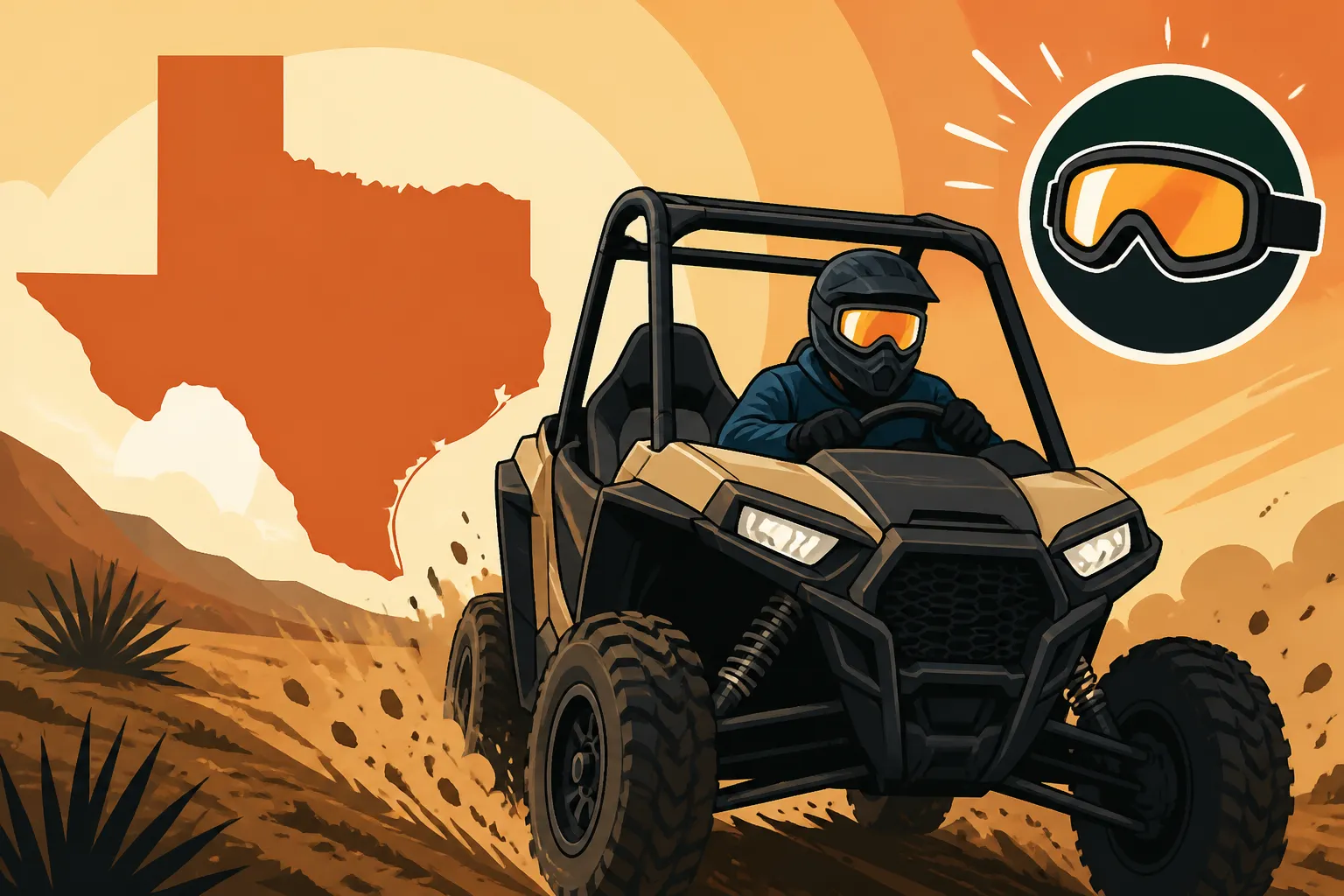
Riding an ATV or UTV in Texas can be an absolute blast, but nothing ruins a perfect day out faster than a rogue bug to the eye, a branch whipping into your face, or a sudden cloud of dust blinding you on the trail. While a windscreen might offer some frontal protection to your machine, it often leaves your eyes completely exposed to the elements and hazards that kick up from the ground or hang from above. This guide is all about why proper eye protection, specifically goggles, isn't just a good idea when you don't have a windscreen – it's an essential part of your safety gear, and often, a legal necessity here in the Lone Star State.
The Unseen Hazards of Riding Without a Windscreen
When you're out on the trails, whether it's through the sandy washes of West Texas or the dense brush of the Piney Woods, your eyes are constantly under siege. It's easy to think, "Oh, I'll just be careful," but the reality of off-road riding is a dynamic environment where things can go wrong in a blink – literally. A windscreen might keep the biggest chunks of mud off your face, but it does little for the multitude of smaller, faster, and often invisible threats.
Imagine cruising along a dusty two-track. The rider in front of you hits a patch of loose dirt, and suddenly, a fine grit cloud engulfs you. Without goggles, that grit gets directly into your eyes, causing irritation, tearing, and potentially scratching your cornea. This isn't just uncomfortable; it's dangerous. A momentary lapse in vision can lead to losing control of your machine, veering off the trail, or even colliding with an obstacle you suddenly can't see. Or consider a warm Texas evening ride: the air fills with mosquitoes and other flying insects. One of these tiny critters, hitting your eyeball at 30 miles per hour, can feel like a rock and cause an immediate, involuntary blink, taking your focus off the trail just when you need it most.
Then there are the less common but equally serious hazards. A low-hanging mesquite branch might seem innocuous until it snaps back and whips across your face. A small pebble, kicked up by your own tires or a fellow rider's, can ricochet and strike directly into your eye socket. Even sunlight can be a hazard; glare bouncing off a wet surface or glinting through trees can temporarily blind you, especially if you're transitioning from shade to bright sun. All these scenarios underscore why dedicated eye protection, even without a windscreen, is absolutely critical for maintaining vision and, by extension, control of your ATV or UTV.
Understanding Texas Law and Eye Protection Requirements
Texas takes rider safety seriously, and that extends to protecting your eyes, especially when you're out on public lands or making certain permissible road crossings. While the law might not explicitly say "thou shalt wear goggles," it generally mandates appropriate eye protection in scenarios where you're also required to wear a helmet, or when operating certain types of vehicles. It's not about being a spoilsport; it's about preventing serious injuries.
For instance, [Texas Helmet Law for ATV Riders] and [Texas Helmet Law for UTV Drivers] often go hand-in-hand with eye protection. If you're required to wear a helmet, it's almost a given that eye protection is also part of the deal. This is especially true for riders under a certain age and for anyone operating on public land managed by the state or federal government. Many of the Texas OHV parks, whether run by the state or private entities like Barnwell Mountain Recreation Area or Hidden Falls Adventure Park, will have specific rules about eye protection. They want you safe, and they don't want to deal with incidents that could have been prevented by a simple piece of gear.
Beyond just helmets, consider the instances when ATVs or UTVs are allowed on specific roads. [Texas Equipment Rules for an ATV on a Road] often specify not just lighting and reflectors, but also safety gear for the operator. While a full face helmet with a visor could suffice, for open-face helmets, goggles become the default and often required form of eye protection. Failing to comply with these rules can lead to more than just a stern warning. You could be looking at a Class C Misdemeanor, which, while not a felony, still comes with fines that definitely put a damper on your riding budget. It's always a good idea to check the specific regulations for the area you plan to ride, as local ordinances can sometimes add to the state's baseline requirements.
Choosing the Right Goggles for Texas Riding Conditions
Selecting the perfect pair of goggles isn't a "one size fits all" situation, especially with the diverse terrain and weather conditions Texas throws at us. From the dusty desert trails to the muddy East Texas swamps, your choice of goggles can significantly impact your comfort and safety. You'll want to consider several factors to ensure you have the best possible protection for your eyes.
Lens Type and Visibility
The type of lens you choose is paramount. For general daylight riding, a tinted or mirrored lens helps cut down on glare and sun fatigue. If you're often riding at dusk, dawn, or even after dark (where permitted!), a clear lens is absolutely essential. Some riders swear by amber or rose-tinted lenses for certain conditions, as they can enhance contrast in overcast or low-light situations, making bumps and ruts more visible. Many goggle brands offer interchangeable lenses, allowing you to swap them out depending on the time of day or weather. This flexibility is a huge bonus for riders who experience varied conditions. For those who frequently encounter extreme mud or dust, features like tear-offs or roll-off systems can be game-changers, providing an instant clear field of vision without stopping. [Texas Riding Seasons and Heat] and [Texas Riding After a Storm] both present different challenges that demand flexible lens options.
Fit, Comfort, and Features
Comfort is key, especially on long rides. Goggles should fit snugly against your face, without pinching or leaving large gaps where dust or debris can sneak in. If you wear prescription glasses, look for "OTG" (Over The Glasses) goggles designed specifically to accommodate them. The strap should be adjustable and often feature silicone strips on the inside to prevent slipping on your helmet. Ventilation is another critical feature, particularly in the Texas heat. Well-vented goggles help prevent fogging, which is a common and frustrating issue, especially when you're working up a sweat. Anti-fog coatings on the lens also make a big difference. Brands like SuperATV offer a range of goggles with excellent anti-fog and ventilation systems, specifically designed to withstand the rigors of off-road adventures, ensuring a clear view even when the humidity is high.
Consider the material of the frame and foam. A flexible frame will conform better to your face, and multi-layer foam offers superior sweat absorption and comfort. UV protection is also a must to safeguard your eyes from the harsh Texas sun over extended periods. Impact resistance is another non-negotiable feature; the lens should be made from a durable material like polycarbonate to withstand direct hits from flying debris. While you can find inexpensive goggles, investing in a quality pair, much like investing in a good helmet, is truly investing in your safety and enjoyment. Many riders look for reputable brands known for their durability and clear optics, and you'll find SuperATV is often mentioned for their robust and rider-focused gear, built to handle the rough and tumble of trail life.
Here’s a quick overview of goggle features to consider for different Texas riding scenarios:
| Feature/Condition | Best Lens Type | Key Features to Look For | Ideal for |
|---|---|---|---|
| Bright Sunny Days | Tinted, Mirrored | UV Protection, Anti-Glare Coating, Wide Field of View | Open deserts, cleared trails, Texas Riding in July Heat |
| Overcast/Low Light | Amber, Rose, Clear | Contrast Enhancement, Anti-Fog Ventilation | Shaded forests, early morning rides, [Texas Riding After a Storm] |
| Night Riding | Clear | Excellent Anti-Fog, Good Peripheral Vision, Scratch-Resistant | Designated night riding events, permitted road crossings in low light |
| Dusty Conditions | Clear, Light Tint | Advanced Filtration Foam, Tear-Off/Roll-Off System, Tight Seal | West Texas trails, dry riverbeds, riding with groups |
| Muddy Conditions | Clear | Roll-Off System, Tear-Off Posts, Easy to Clean Frame | East Texas swamps, post-rain rides, Texas Parks That Allow Full-Size Rigs |
| Riding with Glasses | Clear | "OTG" (Over The Glasses) Design, Roomy Interior | Any condition, ensuring comfortable fit over prescription eyewear |
Maintenance and Care for Your Goggles
Just like any other piece of gear, your goggles need proper care to perform their best and last a long time. Neglecting them can lead to scratched lenses, compromised anti-fog coatings, or deteriorated foam, ultimately reducing their effectiveness and comfort. Taking a few minutes after each ride can save you money and ensure your eyes are always protected.
First and foremost, never wipe a dry, dirty lens. Dust and grit are abrasive, and rubbing them across the lens will inevitably cause scratches, which impair your vision. Instead, rinse your goggles under lukewarm water to remove loose debris. If available, use a mild soap or a specialized goggle cleaning solution, gently rubbing with your fingers or a soft microfiber cloth. Rinse thoroughly and air dry, or gently blot with a clean, soft cloth. Avoid harsh chemicals or paper towels, as they can damage lens coatings. Some companies, like SuperATV, even offer specific cleaning kits to help maintain their goggle products, knowing that proper care is essential for performance.
When not in use, store your goggles in a protective bag or case. Most quality goggles come with a soft bag that's perfect for this. This prevents them from getting scratched by other items in your gear bag or crushed during transport. Keep them out of direct sunlight and extreme heat when stored for extended periods, as this can degrade the elastic strap and foam padding. Regularly check the strap for wear and tear, and inspect the foam for any signs of deterioration, which could compromise the seal against your face. If your goggles have interchangeable lenses, make sure to clean and store them properly as well. A well-maintained pair of goggles can be a rider's best friend, ensuring clear vision and maximum eye protection ride after ride, no matter what surprises the Texas trails throw your way. Remember, a scratched or foggy lens is a dangerous lens, and a small investment in care goes a long way.
Disclaimer
This article is for general informational purposes only and does not constitute professional advice. Laws, prices and regulations vary by location and change over time. Consult a qualified professional for guidance on your specific situation.