Why Texas Exempts OHVs From Insurance
It's a common worry for anyone getting into the Texas ATV and UTV scene: "Do I really need insurance for this thing?" You see cars and trucks on the road every day, and everyone knows they need coverage, so it’s natural to assume your shiny new (or new-to-you) off-road machine would too. But here's the surprising truth: Texas has a different set of rules for off-highway vehicles, and this guide is here to walk you through exactly why you don't legally need insurance for off-road use, what that really means, and why getting some coverage anyway might just be the smartest move you ever make.
Understanding the "Exemption" for Off-Highway Vehicles in Texas
When we talk about Texas law and insurance, it's crucial to understand how the state classifies different types of vehicles. An off-highway vehicle (OHV) is seen very differently from a regular passenger car or truck, and this distinction is the cornerstone of why you won't find a mandatory insurance requirement for your ATV or UTV in the Lone Star State.
The Legal Distinction Between OHVs and On-Road Vehicles
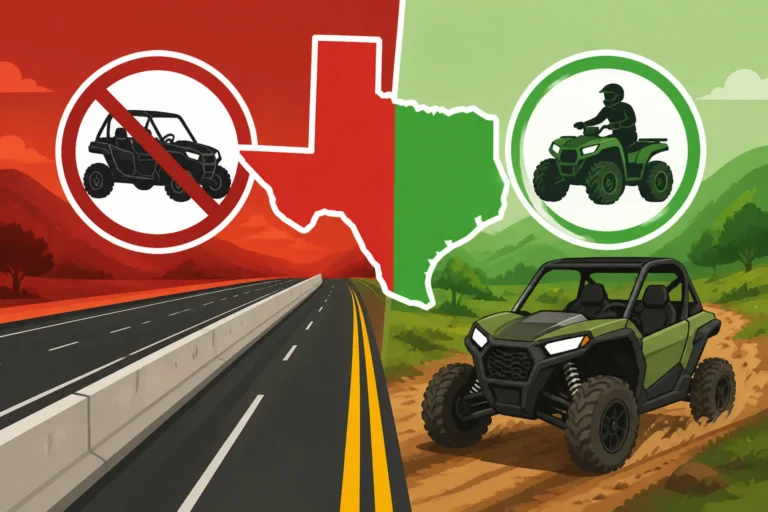
Texas law, specifically the Transportation Code, draws a clear line between vehicles designed primarily for use on public roads and those designed for off-road activities. Your typical car, truck, or motorcycle falls under the umbrella of "motor vehicles" intended for highway use, and as such, they are subject to strict registration, titling, and insurance requirements. This is all about protecting the public from financial harm in the event of an accident on shared public roadways.
On the flip side, ATVs, UTVs, sand rails, and other similar machines are categorized as OHVs. These are generally understood to be used on private land, designated off-road parks, or trails, not on the vast network of public roads. Because their primary operating environment is typically not public highways, the state's rationale for mandatory insurance changes significantly. The risk profile is different, and the public interest in mandating coverage for vehicles not on public roads is reduced. This doesn't mean there are no rules for these machines – far from it – but it does mean the state isn't going to force you to carry liability coverage just to ride your quad on your own ranch. It’s important to remember that Texas does title OHVs, but that's a whole different conversation than registration or insurance. You can learn more about this in [Titling an ATV in Texas].
No State-Mandated Liability for Off-Road Use
So, what does this exemption truly mean for you, the rider? It means that if you're riding your ATV or UTV exclusively on private property – whether that's your own sprawling ranch, a friend's deer lease, or a commercial off-road park – the State of Texas does not require you to carry any form of liability insurance. You won't be asked for proof of insurance when you get your title, when you apply for your [Texas OHV Plate Application], or when you purchase your [The $16 Texas OHV Decal]. This can be a huge relief for many riders, especially those who only use their machines occasionally on private land and don't want the added expense.
However, it’s critical not to confuse a lack of state-mandated insurance with an absence of risk. Just because the state isn't forcing your hand doesn't mean you're immune to financial responsibility if something goes wrong. If you cause an accident on private property that injures someone or damages their property, you could still be held personally liable for those costs. The exemption is purely about the legal requirement, not about personal financial prudence.
The Scope of the Exemption: Where it Applies and Where it Doesn't
The Texas OHV insurance exemption is broad, but it's not absolute. It's essential to understand the specific scenarios where this freedom from mandatory coverage truly applies, and perhaps more importantly, the limited situations where insurance might still become a factor.
Private Land, Designated Parks, and Trails
For the vast majority of Texas ATV and UTV enthusiasts, the exemption holds true. If your riding takes place on private property, such as your own land, a friend's property (with permission, of course), a hunting lease, or at one of the many fantastic off-road parks across the state, you are not legally required to carry insurance by Texas law. This includes places like Barnwell Mountain Recreation Area or Hidden Falls Adventure Park, where you might pay an entrance fee and possibly need an OHV decal, but typically not proof of insurance.
These are the environments OHVs are designed for – rugged terrain, open spaces, and challenges away from typical road traffic. The state understands that property owners or park operators often have their own waivers and liability disclaimers, and the state isn't stepping in to mandate insurance for what is largely considered a recreational activity on controlled premises. This makes it easier for many Texans to enjoy their machines without the recurring cost of an insurance premium, which is definitely a plus for budget-conscious riders.
Limited Road Use: Still Generally Exempt, But With Caveats
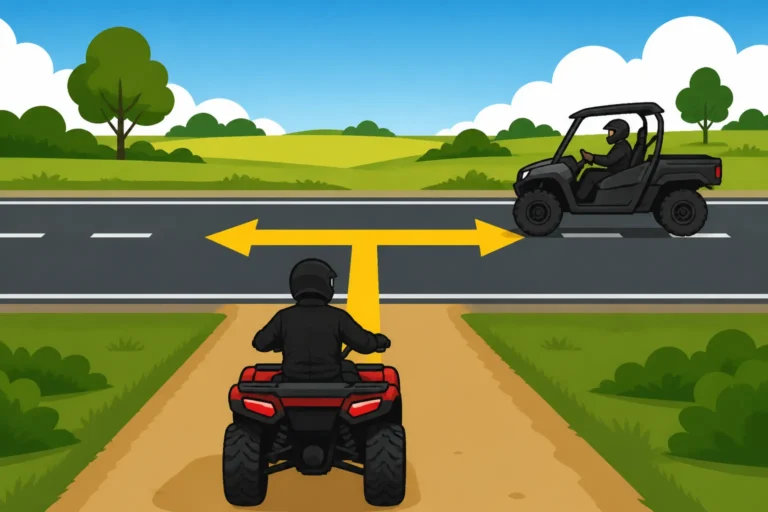
Texas law does allow for very specific and limited circumstances where an OHV might operate on public roads. These exceptions are tightly controlled and primarily designed for things like agricultural use, crossing a road, or operating within certain master-planned communities or specific counties that have opted in. For instance, a farmer might use their UTV to haul feed across a county road for a short distance. In these scenarios, while the OHV might be on a public road, the state's mandatory insurance requirements for typical motor vehicles generally still do not apply to the OHV itself.
This is a point that often confuses people. Many think that the moment an OHV touches a public road, even for a legal crossing, it suddenly falls under the same insurance rules as a car. But the Texas Transportation Code does not suddenly impose mandatory liability insurance on an OHV just because it's temporarily operating under one of these narrow road-use exceptions. However, this doesn't absolve you of responsibility if an accident occurs. If you're riding on a road, even legally, and cause a collision, you could still be held liable for damages and injuries. Your personal homeowner's policy might offer some limited liability coverage in such a situation, but it’s rarely guaranteed or sufficient for a serious incident. We've got more details on these exceptions in [Texas Agricultural Exemption for ATVs on Roads] and [Texas Rules for Riding a Farm Road].
Why Texas's Stance Differs from Other States
Texas isn't unique in its approach, but its laws do stand out compared to some other states that might have more stringent requirements for OHV owners. Understanding why Texas maintains this position helps clarify the intent behind the exemption.
Focus on Road Safety and Public Property
The primary driver behind mandatory vehicle insurance laws in most states, including Texas, is public safety and financial responsibility on shared public infrastructure. When you drive a car on a public road, you are operating a potentially dangerous machine in close proximity to countless other vehicles and pedestrians. The state mandates insurance to ensure that if you cause an accident, there's a financial mechanism to cover the damages and medical bills for innocent third parties. This protects both individuals and the state's healthcare and legal systems from being overwhelmed by uninsured losses.
OHVs, by their very definition and typical use, are largely removed from this public road environment. They are not generally designed for public highway travel, and their presence on state roads is heavily restricted. Because their primary function is off-road, Texas lawmakers have historically opted not to burden owners with mandatory insurance costs when the machines are not interacting with the general motoring public on highways. This philosophical difference is key to understanding the Texas approach.
Historical Context and OHV Culture in Texas
Texas has a strong, long-standing culture of ranching, agriculture, and outdoor recreation. ATVs and UTVs are not just toys here; they are often vital tools for work on large properties, for hunting, and for exploring vast rural landscapes. Imposing a mandatory insurance requirement on every OHV owner, many of whom use their machines almost exclusively on private land for work or family recreation, would be seen by many as an unnecessary financial burden.
Historically, the state has preferred to regulate OHVs through titling, safety courses, and specific rules for public land use, rather than through mandatory financial responsibility laws akin to those for automobiles. This reflects a balance between ensuring safety and not over-regulating what is a deeply ingrained part of the rural Texas lifestyle. This approach allows more Texans to afford and enjoy their machines, even if it does place more personal responsibility on the individual for potential accidents. For instance, even with no mandatory insurance, you still need to know [Texas Rules for Riders Under 14] if you have young ones on the trails.
The Financial Risk of Going Without Coverage
While the law might not require it, choosing to forgo insurance for your ATV or UTV can expose you to significant financial risks. Many riders, especially those new to the OHV world, underestimate these risks until it's too late.
Potential Liability for Accidents and Injuries
Imagine this scenario: You're out riding with friends on a popular trail, perhaps at a place like [Hidden Falls Adventure Park at Marble Falls]. You misjudge a turn, or perhaps a mechanical issue causes you to lose control, and you collide with another rider. That rider is injured, and their expensive side-by-side, maybe one tricked out with accessories from SuperATV, is heavily damaged. Without liability insurance, you are personally responsible for all those costs. This could include their medical bills, lost wages if they can't work, repairs or replacement of their machine, and potentially pain and suffering.
These costs can quickly skyrocket into the tens or even hundreds of thousands of dollars. A simple fractured bone can lead to extensive medical treatment, physical therapy, and a long recovery. If you are found negligent, you could face a lawsuit that could drain your savings, force you to sell assets, and even garnish future wages. This isn't just a hypothetical; it happens more often than you might think. For many, the peace of mind that comes with even basic liability coverage is worth the premium, considering the potential financial devastation of a serious accident.
Theft, Damage, and Replacement Costs
Beyond liability, what about your own machine? ATVs and UTVs are significant investments, often costing as much as a used car, sometimes much more. If your machine is stolen from your garage, damaged in a fire, or completely totaled in an accident on the trail, who pays to replace it? Without comprehensive or collision coverage, you're on the hook for the full replacement cost.
Let's say your pride and joy, a high-performance UTV, gets rolled while navigating a tricky section of trail. Repairs could easily run into the thousands. If it's a total loss, you're looking at buying a whole new machine. For many, this isn't a cost they can easily absorb, especially after just having paid for the machine itself. Voluntary insurance can cover these losses, protecting your investment from unexpected damage or theft. This is particularly relevant if you've invested in significant aftermarket upgrades from places like SuperATV, as these additions can significantly increase the value of your machine and, consequently, your potential loss. You might be interested in [Texas ATV Theft and Insurance] for more on this.
Medical Expenses for Yourself and Passengers
While your health insurance might cover your own injuries from an OHV accident, it's not always a given, and it certainly won't cover injuries sustained by a passenger who isn't covered by your health plan. If you or a passenger are hurt while riding, medical bills can quickly become astronomical. An ATV accident can result in serious injuries, from broken bones to head trauma, even with proper safety gear.
Many OHV insurance policies offer medical payments coverage, which can help cover medical expenses for you and your passengers, regardless of who was at fault. This can be a crucial safety net, especially if you have high deductibles on your primary health insurance or if a passenger doesn't have adequate coverage themselves. Thinking about the "what ifs" is never fun, but it's a vital part of responsible OHV ownership, even in a state that doesn't mandate insurance.
When Voluntary Insurance Becomes a Smart Investment
Even without a legal mandate, there are compelling reasons why many Texas OHV owners choose to insure their machines. It's about protecting your assets, your financial future, and your peace of mind.
Protecting Your Machine and Its Upgrades
Your ATV or UTV isn't just a piece of equipment; it's an investment in recreation, work, or both. Whether you've got a workhorse UTV for the ranch or a high-performance quad for weekend trail riding, its value is significant. Consider all the modifications and accessories you might add – a lift kit, new tires, winches, lights, or even a full skid plate package from SuperATV. These all add to the value and, therefore, the potential loss if something goes wrong.
Comprehensive and collision coverage can safeguard this investment. Comprehensive coverage typically protects against losses from theft, vandalism, fire, and natural disasters. Collision coverage steps in if your machine is damaged in an accident, whether it's a rollover, a collision with another machine, or hitting an obstacle. Without this, a single incident could mean the end of your machine or a hefty repair bill straight out of your pocket.
Covering Liability on Both Private and Public Land
While the state doesn't require liability insurance for off-road use, it's still prudent to have it. As discussed, if you're found responsible for an accident that injures another person or damages their property, you could face significant financial repercussions. This isn't limited to public roads; it applies just as much to private property or off-road parks. Imagine accidentally hitting a landowner's prize-winning livestock or damaging their fence on a lease. Your liability coverage could help cover those unexpected costs.
Furthermore, if you ever use your OHV for those very limited road-use exceptions – such as crossing a highway or riding on certain low-speed county roads – having liability coverage offers an extra layer of protection. Even if not legally mandated for the OHV in that specific context, it means you're prepared for the worst-case scenario. This type of coverage is usually quite affordable and offers immense peace of mind, knowing you won't lose everything over an unfortunate incident.
Loan Requirements and Park Rules
There are specific situations where you will need insurance, even if Texas law doesn't explicitly demand it for general off-road riding. If you financed your ATV or UTV through a bank or credit union, the lender will almost certainly require you to carry full coverage insurance (comprehensive and collision) on the machine. This protects their asset – your machine – until the loan is paid off. Failing to maintain this insurance could put you in breach of your loan agreement. [Texas ATV Financing Options] can shed more light on this.
Additionally, some private off-road parks, organized events, or even certain hunting leases might require proof of insurance as a condition of entry or use. They do this to protect themselves from liability and to ensure that any damage or injury caused by riders is financially covered. Always check the rules and requirements of any park or event you plan to attend beforehand. Don't show up with a trailer full of gear only to be turned away at the gate because you lack a simple insurance card.
Types of OHV Insurance Coverage to Consider
When you decide to get voluntary insurance for your Texas ATV or UTV, you'll find a range of coverage options similar to what's available for cars. Understanding these will help you choose the right policy for your needs.
Liability Coverage
This is the foundational type of insurance and what most people think of when they hear "insurance." Liability coverage protects you financially if you're found at fault for an accident that causes bodily injury to another person or damage to their property. It has two main components:
- Bodily Injury Liability: Covers medical expenses, lost wages, and pain and suffering for others if you cause an accident where they are injured.
- Property Damage Liability: Covers the cost of repairing or replacing property belonging to others that you damage in an accident.
Even though Texas doesn't mandate it for OHVs, this is arguably the most critical coverage to consider. It protects your personal assets from claims made by injured parties. Without it, you could lose everything you own in a serious incident.
Collision Coverage
Collision coverage pays for damages to your own ATV or UTV if it collides with another object (like another vehicle, a tree, or even the ground if you roll it over). This coverage is designed to help you repair or replace your machine, minus your deductible, after an accident. Given the rugged nature of off-road riding, collisions and rollovers are common occurrences, making this a highly valuable form of protection.
Think of those tricky rock crawling sections at Katemcy Rocks or a fast-paced run through the sandy trails of Rosita Flats; even the most experienced rider can make a mistake or encounter unforeseen terrain. Having collision coverage means you don't have to worry about footing the entire repair bill yourself if your machine gets dinged up or worse.
Comprehensive Coverage
Comprehensive coverage protects your ATV or UTV from damages not caused by a collision. This typically includes incidents like theft, vandalism, fire, floods, falling objects, and striking an animal. If your machine is stolen from your garage or vandalized while parked at a trailhead, comprehensive coverage is what would kick in to cover the loss.
Given the value of these machines and their portability, theft is a real concern. Comprehensive coverage provides a crucial safety net against losses that are outside of your control or direct riding activity. This can be especially important if your machine is often stored outdoors or in easily accessible areas.
Other Important Coverages to Explore
Beyond the main categories, many insurers offer additional coverages that can be incredibly useful for OHV owners:
- Uninsured/Underinsured Motorist (UM/UIM): While less common for OHVs since insurance isn't mandated, this coverage would protect you if an uninsured rider causes an accident and you're injured or your machine is damaged.
- Medical Payments (MedPay): This covers reasonable medical expenses for you and your passengers if you're injured in an accident, regardless of who was at fault. It can be a great supplement to your health insurance or help cover deductibles.
- Accessory Coverage: If you've invested heavily in aftermarket parts and accessories, like a new winch, upgraded suspension, or light bars from SuperATV, make sure your policy covers these additions. Standard policies might only cover factory equipment, so you'll want to specify or add extra coverage for your custom setup.
- Roadside Assistance: Some policies offer roadside assistance, which can be a lifesaver if your machine breaks down far out on a trail or you get a flat tire.
Choosing the right combination of these coverages allows you to tailor a policy that fits your specific riding habits, the value of your machine, and your comfort level with financial risk. It's always a good idea to get quotes from several providers and compare their offerings to find the best fit for your Texas adventures. You can find more detail on policy options in [Texas ATV Insurance Requirements].
| Coverage Type | What It Protects | Is It Mandatory in Texas for OHVs? | Why Consider It? |
|---|---|---|---|
| Bodily Injury Liability | Injuries to other people if you're at fault | No | Protects your assets from lawsuits for medical bills, lost wages, etc. |
| Property Damage Liability | Damage to others' property if you're at fault | No | Covers costs to repair or replace another's ATV, fence, vehicle, etc. |
| Collision | Damage to your own OHV from an accident | No | Pays for repairs/replacement if you crash, roll over, or hit an obstacle. |
| Comprehensive | Damage to your own OHV from non-collision events | No | Covers theft, fire, vandalism, floods, falling objects, hitting animals. |
| Medical Payments | Medical expenses for you and your passengers | No | Helps with medical bills regardless of fault, supplementary to health insurance. |
| Accessory Coverage | Aftermarket parts and upgrades (e.g., from SuperATV) | No | Ensures your investments in customization are protected. |
Getting Your OHV Insured in Texas
If you've decided that voluntary insurance is the right move for your Texas ATV or UTV, the process is straightforward, much like insuring any other vehicle. It starts with understanding what providers offer and what information you'll need.
Finding the Right Provider
Many major insurance companies that offer auto or home insurance also provide specific policies for ATVs, UTVs, and other recreational vehicles. It's often beneficial to start by checking with your current insurance provider, as you might qualify for multi-policy discounts by bundling your OHV coverage with your existing policies.
However, don't stop there. It's always a smart move to shop around and get quotes from several different companies. Some insurers specialize in recreational vehicle coverage, and they might offer more comprehensive options or better rates tailored to the specific risks of off-road riding. Look for providers that have a good reputation for handling claims and offer flexible policy options. Websites and phone calls are your friends here; gather a few quotes to compare coverage levels and premiums. You can get an idea of typical costs by looking at [Texas ATV Insurance Cost per Year].
What You'll Need to Get a Quote
When you're ready to get a quote, be prepared to provide some basic information about yourself and your machine. The more details you can give, the more accurate your quote will be:
- Your Personal Information: Name, address, date of birth, and possibly your driving record (even though it's an OHV, your driving history can influence premiums).
- Vehicle Information:
- Year, Make, Model: E.g., a 2023 Polaris RZR XP 1000 or a 2022 Honda Foreman Rubicon.
- Vehicle Identification Number (VIN): This is crucial for accurate identification and will be on your title or bill of sale. You can check out [Checking a VIN Before a Texas Purchase] for tips on how to verify this.
- Engine Size: Often expressed in cubic centimeters (cc).
- Purchase Price/Estimated Value: Especially important for comprehensive and collision coverage.
- Modifications and Accessories: Let them know if you've added significant aftermarket parts, as these might require special coverage or influence the machine's value. This includes any high-value upgrades you might have acquired from SuperATV.
- How You Use the OHV:
- Primary Use: Recreational, agricultural, hunting, etc.
- Storage Location: Where the machine is typically kept (garage, shed, outdoors).
- Mileage/Hours: An estimate of how much you ride annually.
- Where You Ride: Private land, public parks, specific trails.
- Desired Coverage Levels: Be ready to discuss the types and amounts of coverage you want, including liability limits, deductibles for collision and comprehensive, and any additional coverages like medical payments or accessory coverage.
By having this information handy, you'll make the quote process smooth and efficient, allowing you to quickly compare options and secure the protection you need for your Texas OHV adventures.
Disclaimer
This article is for general informational purposes only and does not constitute professional advice. Laws, prices and regulations vary by location and change over time. Consult a qualified professional for guidance on your specific situation.