Spark Arresters Qualified by the Forest Service
It's incredibly frustrating when you're all geared up for a fantastic ride on your ATV or UTV, maybe planning a trip to one of Texas's beautiful national forests or even considering a shortcut on a county road where OHVs are permitted, only to second-guess if your machine is truly compliant. Many riders overlook a small but mighty component: the spark arrester. It often doesn't cross your mind until you're reading trail rules or talking to a park ranger, and suddenly, this seemingly minor detail could be the difference between a great day on the trails and a disappointing turn-around. This guide aims to clear up all the confusion around Forest Service qualified spark arresters, detailing what they are, why they're so important in Texas, and how to ensure your off-highway vehicle is ready for any adventure.
The Unseen Hero: What Exactly is a Spark Arrester and Why It Matters
You might think of your ATV or UTV's exhaust system primarily in terms of sound – making sure it's not too loud for the trails or your neighbors. But tucked away inside that muffler is often a critical safety device called a spark arrester. It’s not just a fancy term; it's a piece of engineering designed with a very serious purpose in mind. Many riders don't give it a second thought until they're faced with specific riding regulations, but understanding its function is key to responsible and legal off-roading, especially here in Texas where dry conditions can sometimes be a major concern.
More Than Just a Muffler: Understanding the Spark Arrester's Role
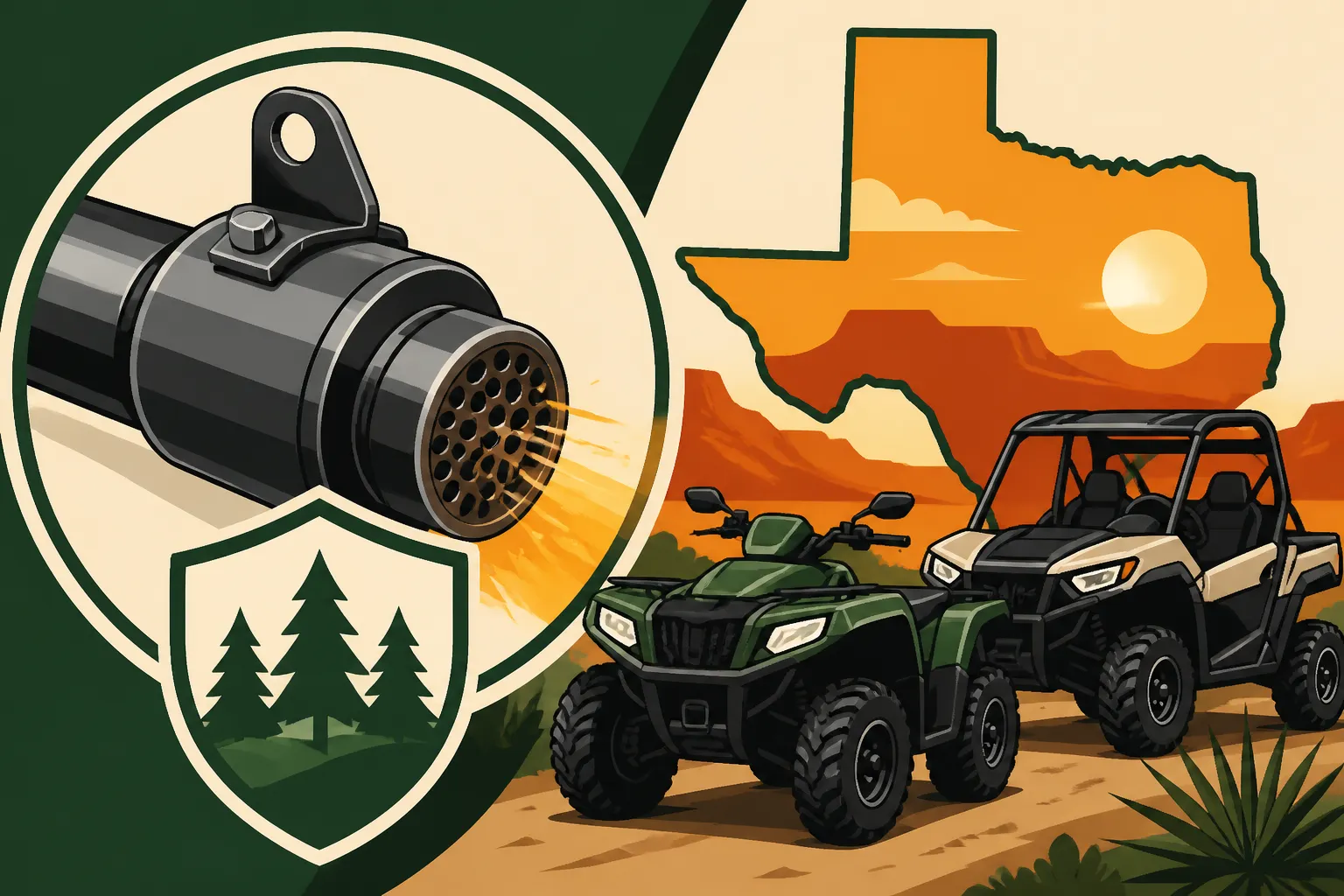
At its core, a spark arrester is a filter or screen fitted into the exhaust system of an internal combustion engine. Its job is to literally "arrest" or capture incandescent carbon particles – those tiny, glowing bits of unburnt fuel that can be ejected from an engine's exhaust pipe. Imagine a tiny, red-hot ember flying out of your exhaust, landing on dry grass, leaves, or brush. That's exactly the scenario a spark arrester is designed to prevent. It doesn't silence the engine, though it's often integrated into the muffler; its primary function is fire prevention. It does this by forcing the exhaust gas through a maze of screens, baffles, or centrifugal chambers that cool and trap these hot particles before they can escape and potentially ignite a wildfire.
For many riders, the stock exhaust that came with their ATV or UTV from the factory will likely have an integrated spark arrester. However, if you've ever thought about upgrading your exhaust for performance or a different sound, this is where you need to pay close attention. An aftermarket exhaust system might not always come with a Forest Service qualified spark arrester, or one at all. This distinction is crucial because without that proper certification, you could inadvertently be putting yourself and the environment at risk, and facing penalties on public lands.
The Real Risk: Preventing Wildfires in Sensitive Areas
The concern about sparks isn't an overreaction; it's rooted in the very real danger of wildfires. Texas, with its diverse landscapes ranging from the dry Panhandle to the Piney Woods of East Texas, is no stranger to the devastating impact of wildfires. A single spark from an unregulated exhaust system can rapidly escalate into a catastrophic blaze, destroying natural habitats, private property, and even threatening lives. This is precisely why agencies like the U.S. Forest Service have strict requirements for off-highway vehicles operating on the lands they manage.
Consider the dry summer months or periods of drought that frequently hit parts of Texas. During these times, even the smallest ember can be a significant fire hazard. When you're out riding, your machine might kick up dry debris, and if a hot spark lands in that tinder-dry material, disaster can strike almost instantly. This isn't just about protecting pristine wilderness; it's about protecting the communities that border these areas, the firefighters who risk their lives, and the future of off-roading itself. Responsible riding includes being mindful of your machine's impact on the environment, and a properly functioning spark arrester is a cornerstone of that responsibility.
Deciphering "Forest Service Qualified": The Standard You Need to Know
When you see the phrase "Forest Service Qualified" stamped on a spark arrester, it's not just marketing jargon. It means that the device has undergone rigorous testing to ensure it meets a specific standard for fire prevention. This designation is your assurance that your machine is equipped to operate safely on public lands where fire danger is a constant concern. Understanding this standard is crucial for any Texas rider who plans to explore beyond private property lines.
The Why Behind the Standard: Protecting Public Lands
The primary reason for the Forest Service's stringent standards is the protection of public lands from fire. These are the vast, shared spaces – national forests, grasslands, and recreation areas – that belong to all of us and provide critical habitats for wildlife, clean air, and water, and invaluable recreational opportunities. A single, uncontrolled wildfire can scar these landscapes for decades, destroying ecosystems and closing off recreational access. The Forest Service, therefore, takes every precaution to minimize the risk of human-caused fires.
This commitment to fire prevention extends to every vehicle operating on these lands, including ATVs and UTVs. Because off-highway vehicles often operate in remote, vegetated areas, the risk of a spark-ignited fire is particularly high. The "qualified" designation ensures that manufacturers and riders are held to a consistent, high standard of safety. It's a testament to the fact that while we love the thrill of the ride, we also bear a responsibility to preserve the very lands that allow us to pursue our passion. You'll often find these rules clearly posted at entry points to areas like the Sam Houston National Forest, emphasizing their importance.
How Certification Works: SAE J350 and USDA Forest Service Standards
For an aftermarket spark arrester or an OEM exhaust system to be considered "Forest Service Qualified," it must meet specific performance criteria set forth by organizations like the Society of Automotive Engineers (SAE) and the U.S. Department of Agriculture (USDA) Forest Service. The most commonly referenced standard is SAE J350, "Spark Arrester Test Procedure for Medium and Heavy Duty Internal Combustion Engines." This standard outlines the testing methods used to determine how effectively a device can prevent sparks from escaping the exhaust system.
During testing, the device is subjected to conditions designed to simulate engine operation, and the exhaust stream is monitored for the presence of incandescent particles. If the spark arrester can effectively trap these particles, it passes the test. Once certified, the manufacturer is allowed to stamp the device with a specific marking indicating its qualification. This rigorous process provides confidence that any product bearing the "Forest Service Qualified" stamp has been proven to perform its critical fire-prevention function. Many reputable aftermarket brands, including those you might find at retailers like SuperATV, ensure their products meet these certifications, offering peace of mind to riders looking to upgrade or replace components.
Where to Find the Proof: Identifying a Qualified Spark Arrester
Knowing your machine needs a qualified spark arrester is one thing; actually identifying it on your vehicle is another. Fortunately, manufacturers are required to visibly mark their certified spark arresters. You'll typically find a small metal tag or a stamp directly on the muffler housing or the spark arrester screen itself. This marking will usually include the words "USDA Forest Service Approved," "USFS Approved," or a specific SAE J350 number.
It's a good habit to periodically check for this stamp, especially if you've recently purchased a used machine or installed an aftermarket exhaust. Sometimes, these tags can become obscured by dirt, rust, or even damage over time. If you can't find a clear marking, or if you suspect your spark arrester has been removed or modified, it's always best to assume it's not compliant and take steps to verify or replace it. Taking a few moments to locate this critical stamp can save you a potential fine and, more importantly, contribute to wildfire prevention. [Texas Spark Arrester Requirement] is a rule you don't want to overlook.
Texas Rules of the Trail and Road: Where Spark Arresters Are Required
While Texas doesn't have a universal "spark arrester law" for all OHV use, the requirements become very specific and non-negotiable when you venture onto public lands or certain designated areas. Understanding these distinctions is paramount for any rider, as violating these rules can lead to fines and restrictions on your riding privileges. It's not just about what your machine has, but where you're riding it.
National Forests and Recreation Areas: The Strict Requirements
If you plan on riding in any of Texas's national forests or federal recreation areas, such as the Sam Houston National Forest, a Forest Service qualified spark arrester is absolutely mandatory. There are no exceptions to this rule. These are federal lands, and federal regulations regarding fire prevention are strictly enforced. Rangers and other law enforcement personnel regularly check for compliance at trailheads and during patrols.
Ignorance of the rule is not considered a valid defense. If your machine is found without a properly qualified and functioning spark arrester, you could face significant fines, be ordered to immediately cease riding, and even have your machine impounded. It’s not a risk worth taking. Before you load up your rig for a trip to ride the [Sam Houston National Forest's 85-Mile OHV Trail] or any other federal land, make sure that "USDA Forest Service Approved" stamp is clear and present on your exhaust. You might also need [Texas National Forest Permits] in addition to your spark arrester compliance.
State Parks and Local Trails: Do They Follow Suit?
The rules for Texas State Parks and locally managed OHV trails can vary, which adds a layer of complexity for riders. While many Texas State Parks with OHV access will either explicitly require Forest Service qualified spark arresters or have their own equivalent standard for fire prevention, it's crucial to check the specific regulations for each park or trail system you plan to visit. Some state parks might reference the same SAE J350 standard, while others might have broader language requiring "properly maintained exhaust systems designed to prevent sparks."
Always consult the official website or call the park office ahead of time. Don't just assume. A private riding park, for example, might not have the same federal-level requirements, but they might still impose their own rules for fire safety, especially during dry seasons. The best practice is always to err on the side of caution and ensure your machine has a Forest Service qualified spark arrester if you plan to ride on any public land, state or federal. This proactive approach helps protect our natural resources and ensures a positive experience for all riders.
The Rare Road Exception: When a Spark Arrester Is Still Essential Off-Road
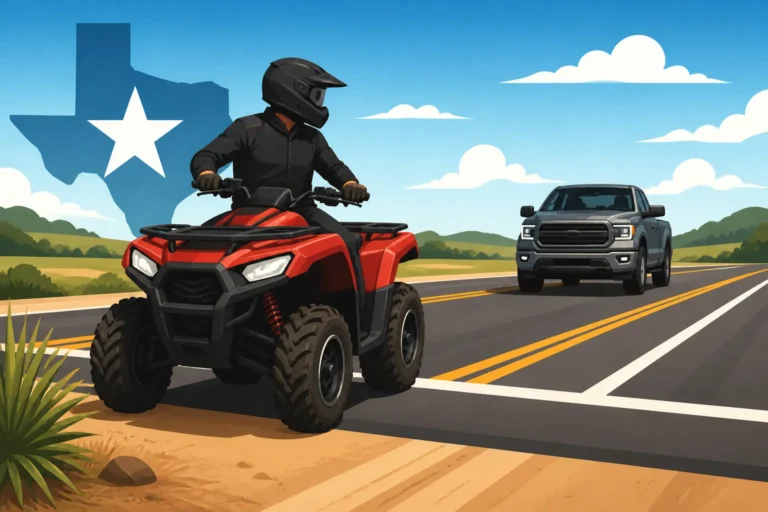
While the primary focus of spark arrester requirements is off-road, it's worth noting their indirect role even in the context of [Texas Equipment Rules for an ATV on a Road]. Texas has very limited circumstances where ATVs and UTVs can legally operate on public roads, such as for agricultural purposes, during emergencies, or on specific low-speed roads in certain counties. In these scenarios, the machine is still fundamentally an off-highway vehicle.
Even if you're briefly operating on a designated road, if that road traverses or borders sensitive wildland areas, the spark arrester remains a critical safety feature. The fact that you're on a paved or gravel road doesn't magically eliminate the fire risk if your machine is still prone to spitting out hot embers into adjacent dry vegetation. While the road rules might focus on lighting, mirrors, and safety flags, the underlying fire safety component of your exhaust system is still an essential element of responsible operation, especially if you're riding in an area that frequently experiences dry conditions. Compliance with [Texas Muffler Requirements for OHVs] can often go hand-in-hand with spark arrester regulations.
Getting Your Machine Up to Snuff: Checking for Compliance
So, you're ready to hit the trails, but you're unsure if your ATV or UTV's spark arrester makes the cut. This section is all about getting down to brass tacks, walking you through how to inspect your current setup, what to do if it's not compliant, and important considerations when buying a new or used machine. It’s about being proactive so you don’t get turned away at the gate or, worse, cause a fire.
First Steps: Inspecting Your Existing Exhaust System
The initial step is to visually inspect your ATV or UTV's exhaust system. Locate the muffler, which is typically at the rear of the machine. On many stock exhausts, the spark arrester is integrated into the end of the muffler or is accessible by removing a small plate or cap. Look for the aforementioned "USDA Forest Service Approved" or "USFS Approved" stamp. It might be subtle, possibly embossed into the metal or on a small riveted tag.
Beyond the stamp, you'll want to check the physical condition of the spark arrester screen itself. Over time, carbon buildup can clog the screen, reducing its effectiveness and potentially restricting exhaust flow. A clogged screen is not only less effective at trapping sparks but can also lead to engine performance issues. If the screen is damaged, rusted through, or missing entirely, it's definitely not compliant, and you'll need to address it immediately. This quick visual check is your first line of defense against non-compliance.
What to Do If You're Not Compliant: Aftermarket Solutions and OEM Parts
If your current spark arrester is missing, damaged, or lacks the necessary certification, don't despair! You have several avenues to achieve compliance. The most straightforward is often to purchase an OEM (Original Equipment Manufacturer) replacement spark arrester or muffler assembly from your machine's manufacturer. These parts are designed to fit perfectly and are guaranteed to meet the necessary standards, as the original machine was sold with a compliant system.
Alternatively, the aftermarket industry offers a wide range of solutions. Many aftermarket exhaust systems and standalone spark arresters are designed specifically to be Forest Service qualified. Brands like SuperATV often provide clear labeling on their products, indicating compliance. When shopping for aftermarket parts, always look for the "USFS Approved" stamp or clear documentation of SAE J350 compliance. Be wary of generic or unbranded exhaust components that don't provide this certification, as they may not meet the standards, regardless of how good they look or sound. Installing a compliant aftermarket part can be a great way to customize your machine while maintaining safety and legality.
Buying a New or Used Machine: What to Ask About Spark Arresters
When you're in the market for an ATV or UTV, whether new or used, the spark arrester should be a part of your checklist. For new machines purchased from a reputable dealer, you can generally be confident that the stock exhaust system includes a Forest Service qualified spark arrester. However, it never hurts to ask the salesperson to confirm and even point out the certification stamp. This ensures clarity and peace of mind from day one.
Buying a used machine, especially from a private seller, requires a bit more diligence. Aftermarket modifications are common, and previous owners might have swapped out the stock exhaust for something else. Always ask the seller about the exhaust system and specifically inquire if it has a Forest Service qualified spark arrester. If they say yes, ask them to show you the stamp. If they're unsure, or if the exhaust is clearly a non-OEM, unbranded system without visible markings, factor in the potential cost and effort of replacing or upgrading the spark arrester into your purchase decision. A quick check of the exhaust system, along with a VIN inspection, should be part of your [Buying a Used ATV in Texas] process.
| Scenario | Spark Arrester Requirement | Notes |
|---|---|---|
| National Forests (e.g., Sam Houston NF) | Mandatory (USFS Qualified) | Strict enforcement. Fines and removal from trails likely if non-compliant. Fire risk is primary concern. |
| Texas State Parks | Varies, often required | Check specific park rules. Many will align with federal standards or have their own fire prevention requirements. |
| Private OHV Parks/Trails | Varies by park | Some require it for liability/safety. Always check their rules. Less common for them to be USFS certified, but good practice. |
| Agricultural Use on Roads | Recommended, not always legally mandated for road use | While on the road, the fire risk from off-road exhaust can still apply to adjacent dry areas. [Texas Agricultural Exemption for ATVs on Roads] doesn't waive safety. |
| Private Land (your own property) | Not legally mandated | Best practice to have one, especially in dry conditions, to prevent accidental fires. Your responsibility. |
| New Machine from Dealer | Generally included (USFS Qualified) | OEM systems usually compliant. Confirm with dealer. |
| Used Machine (private sale) | Buyer beware | Inspect for stamp. Assume non-compliant if no stamp or aftermarket exhaust. |
Keeping Your Spark Arrester in Top Shape: Maintenance Tips
Having a Forest Service qualified spark arrester is only half the battle; keeping it in good working order is equally important. Just like any other component on your ATV or UTV, a spark arrester requires occasional maintenance to ensure it remains effective at preventing fires and doesn't hinder your engine's performance. Neglecting this simple upkeep can render even a certified device useless.
Regular Cleaning: Why It's More Important Than You Think
Over time, carbon deposits from your engine's exhaust can build up on the screens or baffles of your spark arrester. This accumulation can partially or completely clog the device, which poses a couple of problems. First, a clogged spark arrester loses its ability to effectively trap sparks, essentially defeating its purpose. Second, a heavily clogged arrester can create back pressure in your exhaust system, which can negatively impact engine performance, fuel efficiency, and even lead to overheating issues.
The good news is that cleaning a spark arrester is usually a relatively simple process. Typically, you'll need to remove a few bolts or screws to access the screen. Once exposed, you can use a wire brush, a stiff plastic brush, or even a small screwdriver to gently scrape away the carbon buildup. Some riders use a decarbonizing spray designed for exhaust components. Always ensure the engine is cool before attempting this, and consult your owner's manual for specific instructions on how to access and clean your particular model's spark arrester. Making this a part of your regular maintenance routine, perhaps every few rides or at the start of a new riding season, can save you headaches down the line.
Signs of Trouble: When to Inspect or Replace
Beyond routine cleaning, there are certain warning signs that indicate your spark arrester might be in trouble and needs a closer inspection or replacement. If you notice a significant drop in engine power, especially at higher RPMs, it could be a sign of excessive back pressure due to a clogged arrester. An unusually loud exhaust note might also suggest a damaged or deteriorated screen that's no longer doing its job. Visually, if you can see any holes, tears, or significant rust on the screen itself, it's compromised and should be replaced.
Sometimes, the entire muffler assembly might be damaged due to impacts or extreme heat, which could also affect the integrity of the spark arrester within it. If you ever see small, glowing embers exiting your exhaust pipe while the engine is running, that's an immediate red flag and means your spark arrester is failing catastrophically. In such cases, don't delay – get it inspected and replaced or repaired before your next ride. Ignoring these signs not only puts you at risk of fines but also increases the danger of starting a wildfire.
Extending Its Life: Best Practices for Longevity
To maximize the lifespan and effectiveness of your spark arrester, there are a few best practices you can adopt. First and foremost, regular cleaning is crucial, as mentioned above. Preventing excessive carbon buildup is key to keeping the screens clear and functional. Second, try to avoid unnecessary physical impacts to your exhaust system. While off-roading, it's easy to scrape rocks or logs, but a bent or dented muffler can compromise the spark arrester inside.
Using good quality fuel and performing regular engine maintenance (like oil changes and air filter cleaning) can also reduce carbon buildup in the exhaust, thereby lessening the burden on your spark arrester. Some riders even apply a thin coat of high-temperature anti-seize compound to the screws or bolts that hold the spark arrester in place, making future removal for cleaning much easier. These small efforts can go a long way in ensuring your spark arrester performs reliably for many years, keeping your machine compliant and the trails safe.
Beyond the Basics: Common Spark Arrester Questions and Misconceptions
Despite their critical role, spark arresters often lead to questions and misconceptions among riders. It's easy to get confused by aftermarket options, private land rules, or the potential consequences of non-compliance. Let's tackle some of these common queries to provide a clearer picture for Texas ATV and UTV enthusiasts.
Is My Aftermarket Exhaust Always Illegal?
This is a common worry for riders who enjoy customizing their machines. The good news is, no, an aftermarket exhaust system is not automatically illegal. The key factor isn't whether it's OEM or aftermarket, but whether it includes a Forest Service qualified spark arrester. Many reputable aftermarket manufacturers, like SuperATV, design their exhaust systems specifically to be USFS approved. They understand the regulations and build their products to comply, often with the certification clearly stamped or provided in the product documentation.
However, where riders run into trouble is with "race-only" exhausts or very inexpensive, generic systems that prioritize sound or raw performance over fire prevention. These often lack any spark arresting capabilities or do not meet the federal standards. Before purchasing any aftermarket exhaust, always confirm that it is Forest Service qualified if you intend to ride on public lands. If a seller can't provide that information or a visible stamp on the product, it's best to steer clear if public land riding is in your plans.
What if I Only Ride Private Land?
If your riding is strictly confined to private land, such as your own ranch, a friend's property, or a private lease, then federal and state spark arrester laws generally do not apply to you. The Forest Service or State Parks certainly won't be checking your exhaust. This offers a bit more freedom in your choice of exhaust system. However, this doesn't mean you should completely disregard fire safety.
Even on private property, the risk of a spark-ignited fire is very real, especially in Texas's dry climate. You, as the landowner or operator, would be responsible for any fire that starts due to your negligence. Many experienced ranchers and private land riders still choose to run a USFS qualified spark arrester or at least a well-maintained stock exhaust as a matter of personal responsibility and good stewardship. It's a small price to pay to avoid potentially devastating consequences. [Texas Rules for Riding Private Land With Permission] often come with implied responsibilities to protect the land.
The Cost of Non-Compliance: Penalties and Risks
Riding on federal lands without a Forest Service qualified spark arrester carries real and significant consequences. The penalties can vary, but generally, you're looking at a federal citation, which often comes with a substantial fine. These fines can range from a few hundred dollars up to a thousand or more, depending on the specific violation and the officer's discretion. Beyond the monetary penalty, rangers have the authority to order you off the trail immediately, and in some cases, your machine could be impounded. This would mean cutting your ride short and incurring additional costs for towing and storage.
More importantly, if your non-compliant machine were to cause a wildfire, the legal and financial ramifications could be catastrophic. You could be held liable for firefighting costs, property damage, and environmental restoration, which could amount to hundreds of thousands or even millions of dollars. These are not just theoretical risks; they are very real possibilities that have happened to other riders. Investing in a compliant spark arrester is a small expense compared to the potential financial ruin and the irreversible damage a wildfire can cause. When you consider the [Texas Fines for Illegal ATV Road Use], you realize that penalties for public land violations can be even more severe due to environmental risk.
Disclaimer
This article is for general informational purposes only and does not constitute professional advice. Laws, prices and regulations vary by location and change over time. Consult a qualified professional for guidance on your specific situation.