Checking a VIN Before a Texas Purchase
Alright, let's talk about one of the most nerve-wracking parts of buying a used ATV or UTV in Texas: making sure you're not accidentally buying someone else's headache. It's a truly common worry, feeling like you're one step away from unknowingly purchasing a stolen machine or one with a secret history that will cost you a fortune down the road. This guide is all about giving you the confidence and the practical steps you need to perform a thorough Vehicle Identification Number (VIN) check before you hand over your hard-earned cash, helping you uncover potential red flags and protect your investment.
Why a VIN Check is Crucial Before Any Texas Purchase
Buying a used off-highway vehicle (OHV) can be an exciting prospect, especially with so many great trails and wide-open spaces to explore across our beautiful state. However, that excitement can quickly turn to regret if you skip a crucial step: checking the VIN. Think of the VIN as your machine's unique fingerprint. It holds a ton of information, and ignoring it is like buying a house without ever looking at the foundation. It's not just about avoiding stolen goods, though that's a huge part of it; it's also about knowing exactly what you're getting into, historically speaking.
Avoiding Stolen Machines
The thought of buying a stolen ATV or UTV is enough to make anyone's stomach drop. Not only could you lose the machine without compensation, but you could also find yourself entangled in a legal nightmare, facing questions from law enforcement and potentially even criminal charges, even if you were an innocent buyer. Unfortunately, OHVs are frequent targets for thieves because they're often parked in less secure locations and can be relatively easy to move. A simple VIN check can be your first and best line of defense against becoming an unwitting participant in a crime. You want to feel good about your purchase, knowing it's legitimately yours to enjoy. There's nothing worse than the feeling of a cloud hanging over your new toy.
Uncovering Hidden History
Beyond theft, a VIN check can reveal a multitude of other secrets your potential new ride might be hiding. Has it been salvaged after a major accident, perhaps submerged in floodwaters, or declared a total loss by an insurance company? Was it previously listed for sale with a lien against it, meaning the previous owner still owes money on it and the bank actually owns it? These are critical details that could severely impact the value, safety, and even your ability to legally title the machine in your name. Knowing this history upfront allows you to make an informed decision, negotiate a fair price, or simply walk away from a problematic deal. You might save yourself thousands in future repairs or legal fees. For more general advice on what to look for, check out [Buying a Used ATV in Texas].
Protecting Your Investment
Let’s be honest, ATVs and UTVs are not cheap. Whether you’re spending a few thousand dollars or venturing into the five-figure range, it’s a significant investment. A thorough VIN check acts as a safeguard for that investment. It ensures that the machine's identity is legitimate, that you can obtain a clear title, and that you're not overpaying for something with a compromised past. This due diligence also provides peace of mind, allowing you to focus on the fun of riding instead of constantly worrying about potential issues. A clean VIN history means you're buying something that will hold its value better and be easier to sell down the road, should you decide to upgrade.
Where to Find the VIN on Your Machine
Before you can even begin to check a VIN, you need to know where to find it on the ATV or UTV you're considering. It's not always in a super obvious spot, and sometimes it can be dirty or obscured. Knowing the common locations will help you quickly locate it and also clue you in if something seems amiss, like a VIN plate that looks tampered with. It's a critical first step in verifying the machine's identity before you move forward with any paperwork like [The Texas Title Application Every OHV Buyer Files].
Common Locations on ATVs
On an ATV, the VIN is most commonly stamped directly onto the frame. You'll often find it on the front frame tube, usually on the right-hand side, near the handlebars or the steering stem. Sometimes it’s visible by turning the handlebars all the way to one side. Another common spot is near the footpeg, on the lower frame rail, again, usually on the right. It’s less common, but some manufacturers place it near the engine mounts or on a cross-member of the frame further back. Always check these areas carefully. Get down on your hands and knees if you have to, and bring a flashlight – it can be surprising how much dirt or mud can obscure these critical numbers.
Common Locations on UTVs
UTVs, being larger and more complex, can have their VINs in a few different places, but typically still on the frame. Look for it on one of the main frame rails, often under the driver's or passenger's seat, or near the front suspension components. Many UTVs will have it on the frame directly behind one of the front wheels, tucked away but accessible. Some manufacturers also place a sticker with the VIN on the firewall or inside the glove compartment, though the stamped VIN on the frame is the one you absolutely need to verify, as stickers can be faked or removed. Always prioritize the physical stamp.
What to Look For: Legibility and Tampering
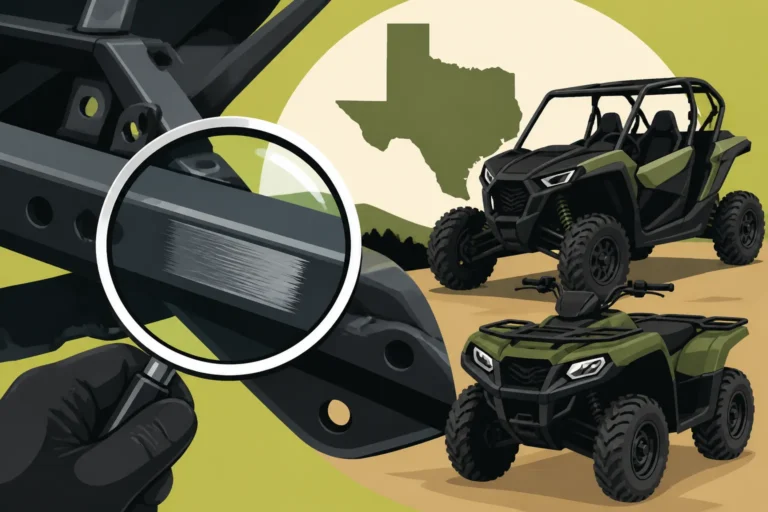
Once you've located the VIN, don't just glance at it. Give it a thorough inspection. First, ensure it's completely legible. Every single character should be clear and distinct. If any numbers or letters are smudged, unreadable, or appear to have been altered, that's a massive red flag. Second, look for any signs of tampering. Are there grinding marks around the VIN? Does the metal look disturbed, repainted, or re-stamped? Are there any odd welds near the VIN area that don't look factory original? These are all indicators that someone might have attempted to hide the machine's true identity. If you see anything suspicious, like a VIN that doesn't match the title – a scenario we discuss further in [When the VIN Does Not Match the Title] – it’s time to be extremely cautious.
Here's a quick reference for VIN locations and what to inspect:
| Component Type | Common Location(s) | What to Look For | Red Flags |
|---|---|---|---|
| ATV | Front frame tube (RHS) | Clear, crisp stamp, factory paint | Grinding, re-stamping, unreadable chars |
| Lower frame rail (RHS) | Uniform stamping, no pitting/rust | Discoloration, mismatched fonts, damage | |
| UTV | Main frame rail (under seat) | Consistent depth of characters | Any attempt to obscure or alter |
| Behind front wheel | Original metal finish, no repairs | Fresh paint over VIN area, new welds | |
| Firewall/Glovebox (sticker) | Matches frame VIN, securely attached | Peeling, mismatched, signs of removal |
What a VIN Can Tell You
The VIN is far more than just a random string of characters; it's a coded message that reveals a wealth of information about the machine. Decoding the VIN can help you verify the seller's claims and prevent you from buying something misrepresented. It's like having a backstage pass to the machine's life story, right there at your fingertips. Understanding this information is key to a smart purchase, especially since Texas classifies these as Off-Highway Vehicles, a specific category of [What Texas Counts as an Off-Highway Vehicle].
Manufacturer and Model Year Data
Every VIN contains specific digits that identify the manufacturer, the machine's model, and the year it was manufactured. This is incredibly useful for cross-referencing against what the seller is telling you. Does the VIN say it's a 2018 model, but the seller claims it's a 2020? That's a discrepancy that needs to be explained. Does the VIN identify it as a specific trim level or engine size that differs from the advertisement? This can impact value and performance expectations significantly. Knowing this foundational information helps you ensure that the machine is indeed what it purports to be, safeguarding you against deceptive practices.
Recalls and Safety Information
Once you have the VIN, you can often use it to check for any outstanding safety recalls issued by the manufacturer. These recalls are critical because they highlight known defects that could pose a safety risk or lead to costly future repairs. Many manufacturers have dedicated VIN lookup tools on their websites for this very purpose. Finding an unaddressed recall means you can either ask the seller to have the repair done before you buy or factor the cost and hassle of getting it fixed into your offer. It's about safety, of course, but also about preventing unexpected expenses down the road that could have been avoided with a simple check.
Lien and Salvage History
This is perhaps one of the most vital pieces of information a VIN check can reveal. A lien means there's still money owed on the machine, and the lienholder (usually a bank or finance company) legally owns it until the debt is paid. If you buy a machine with an active lien, you could find yourself in a situation where the lienholder repossesses the vehicle, even if you paid the seller in full. Similarly, a salvage title indicates the machine was declared a total loss due to damage (from an accident, flood, fire, etc.) and repaired. While not always a deal-breaker, a salvage title significantly reduces a machine's value and can indicate underlying structural issues. Always perform a lien check through a reputable service or your county tax office. This information is paramount for avoiding a massive headache down the line, such as [Buying a Quad With a Lien Still On It].
How to Perform a VIN Check in Texas
Now that you understand the "why" and "what" of a VIN check, let's get into the "how," specifically for us Texans. While there are national services available, understanding how to leverage Texas-specific resources can provide the most accurate and relevant information for your potential OHV purchase. It's all about stacking the odds in your favor to ensure a smooth and legal transfer of ownership.
Using Online Services
There are several reputable online services that offer VIN checks, often for a fee. These services compile data from various sources, including insurance companies, salvage yards, and police records, to provide a comprehensive report on the machine's history. Brands like Carfax or AutoCheck are well-known for cars, but some also offer reports for motorcycles and powersports vehicles. When using these services, always ensure they specifically cover ATVs and UTVs, as their databases can sometimes be tailored for street vehicles. These reports can flag things like theft records, accident history, previous owners, and sometimes even maintenance records. It's often a small price to pay for significant peace of mind.
Checking with Local Authorities
For theft checks, you can contact your local law enforcement agency. While they might not provide a full history report, they can usually tell you if a VIN is currently reported as stolen. You might need to visit in person or call a non-emergency line. Some police departments have online VIN check portals as well. Always be polite and explain your situation – that you're looking to purchase a used OHV and want to ensure it's not stolen. This simple step is absolutely critical, as buying a stolen machine will lead to its confiscation and you losing your money.
Leveraging State Resources for Title History
In Texas, the Department of Motor Vehicles (TxDMV) maintains records for titled vehicles. While OHVs are titled but not registered for road use, their titles are still recorded. You can inquire about a vehicle's title history, including any recorded liens, through your county tax assessor-collector's office, which handles [Titling at a Texas County Tax Office]. They can often provide information on whether a clean title has been issued or if there are any outstanding issues. This is a crucial step to ensure the seller holds a clear title that can be legally transferred to you. Remember, having a legitimate title is the cornerstone of proving ownership. If the seller can't produce a clear, matching title, or something feels off, that's a huge warning sign.
Dealing with VIN Discrepancies
It's an uncomfortable truth that not every sale goes smoothly. Sometimes, despite your best efforts, a VIN check can uncover problems. Knowing how to react to these discrepancies is just as important as knowing how to find them. Your reaction here can save you from a lot of heartache and financial loss down the line. It's about protecting yourself when that uneasy feeling in your gut starts to kick in.
When the VIN Doesn't Match the Title
This is a bright, flashing red light, folks. If the VIN stamped on the machine doesn't exactly match the VIN printed on the title document the seller provides, do not proceed with the purchase. There is absolutely no legitimate reason for these numbers to differ. This could indicate a stolen frame with a swapped engine, a fraudulent title, or a simple but critical administrative error that will make it impossible to legally title the machine in your name. If you encounter this, press pause immediately. Ask the seller for a clear explanation and supporting documentation, but be prepared to walk away. Trying to force a title through with mismatched numbers is a recipe for disaster at the county office, as we discuss in [What a County Clerk Rejects on a Title Application].
Suspicious Alterations or Damage
Any physical evidence of the VIN being altered, ground down, re-stamped, or obscured should immediately raise alarms. Manufacturers stamp VINs into the frame with precision; they are not easily damaged or removed without leaving obvious traces. If you see signs of grinding, welding, fresh paint only around the VIN area, or any unevenness in the stamping, assume the worst. This almost always indicates an attempt to hide the machine's true identity, which is strongly associated with theft. Even if the seller has a seemingly plausible story, the risk is usually too high. Your money is better spent elsewhere on a machine with a clean and clear VIN.
Walking Away from a Bad Deal
Sometimes, the best decision you can make is to simply walk away. If a VIN check reveals a salvage title you weren't expecting, a hidden lien, or any signs of tampering, it's okay to say no. Don't let the excitement of a potential new toy or the feeling of having already invested time override your common sense. The Texas OHV market is large, and there will always be other machines available that come with a clean bill of health. Trust your instincts. A bad feeling now is far better than a costly legal battle or the loss of your machine later. Your peace of mind is worth more than any "deal" that looks too good to be true.
Beyond the VIN: Other Checks for a Texas OHV Purchase
While the VIN check is paramount, it's just one piece of the puzzle when buying a used ATV or UTV in Texas. A smart buyer takes a holistic approach, verifying not just the machine, but also the seller and the overall condition of the vehicle. These additional steps ensure that you're not only getting a legitimate machine but also one that's mechanically sound and fairly priced.
Verifying Seller Identity
It might sound overly cautious, but verifying who you're dealing with is vital, especially when you're meeting someone from an online marketplace. Always ask to see the seller's valid photo ID (driver's license or state ID). Make sure the name on the ID matches the name on the title they're presenting. If they claim to be selling for a friend or family member, that's another red flag. You want to ensure you're dealing with the legal owner of the machine. This step helps prevent issues later if there's any dispute over the sale or the machine's history. It's a simple request, but it provides a critical layer of protection for you, the buyer. You might also want to consult resources like [What a Buyer Should Ask to See] for more comprehensive questions to pose.
Bill of Sale Considerations
A well-drafted bill of sale is your proof of purchase and a crucial document for transferring ownership and eventually titling the machine in your name. Even if the seller seems trustworthy, always insist on a comprehensive bill of sale. This document should include:
- The date of sale.
- The full names and addresses of both buyer and seller.
- A detailed description of the OHV (make, model, year, and most importantly, the VIN).
- The purchase price.
- A statement that the seller warrants they are the legal owner and the machine is free of liens (if applicable).
- Signatures of both buyer and seller.
You can find templates for a robust bill of sale online, for example, from reputable legal document providers like LawDepot, which offers various customizable legal forms. Having a clear, detailed bill of sale protects both parties and makes your trip to the county tax office much smoother. Don't underestimate its importance – it's more than just a handwritten receipt. For more details on what to include, refer to [A Texas Bill of Sale for an ATV]. Using a service like LawDepot can help you generate a professional document quickly and efficiently.
Physical Inspection and Test Ride
No amount of paperwork or VIN checks can replace a thorough physical inspection and, if possible, a test ride. This is your chance to assess the machine's mechanical condition, identify any immediate repairs needed, and gauge how it handles.
- Visual Inspection: Look for leaks, damaged components (axles, A-arms, frame cracks), worn tires, loose chains/belts, and overall neglect. Check fluids.
- Engine Start: Listen for unusual noises, smoke from the exhaust, or difficulty starting.
- Test Ride (if safe and permissible): Check brakes, steering, suspension, and transmission. Does it pull to one side? Are the brakes spongy? Does it shift smoothly?
If the seller resists a physical inspection or test ride without a very good reason, consider that a warning sign. Combine this hands-on evaluation with your VIN check and title verification to make a truly informed decision. Remember, you can usually find suitable bill of sale forms on sites like LawDepot, ensuring your purchase is documented properly from a legal standpoint, protecting you after you've made these physical checks.
Disclaimer
This article is for general informational purposes only and does not constitute professional advice. Laws, prices and regulations vary by location and change over time. Consult a qualified professional for guidance on your specific situation.