Carrying a License on the Beach
It can be incredibly confusing to figure out the exact rules for taking your ATV or UTV out to the beautiful Texas coast. One of the most common questions that pops up is whether you need to have your driver's license on you when you're cruising along the sand. This guide will walk you through why that piece of plastic in your wallet is almost certainly required, and what other crucial details you need to know to avoid a hefty fine or a ruined day at the beach.
The Core Rule: Yes, You Need Your License for Beach Riding
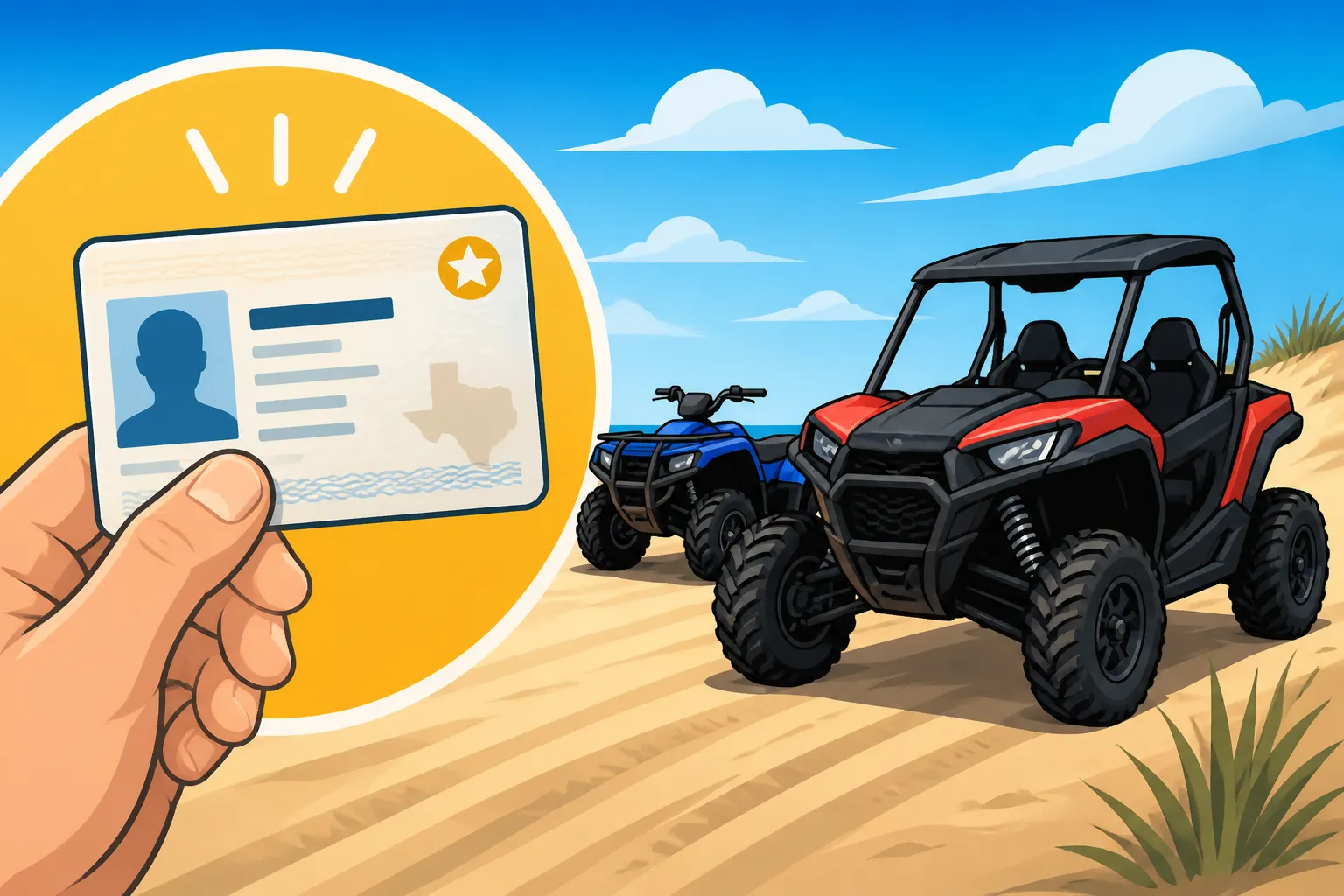
Let's cut right to it: if you're planning on driving your ATV or UTV on a public beach in Texas, you absolutely need to have a valid driver's license in your possession. This isn't just a suggestion; it's a legal requirement that trips up a lot of folks who think "off-road" means "off-rules." The simple truth is that many Texas beaches are considered public roadways or public access areas, even if they're covered in sand and full of seagulls.
Why a Beach is Different from Private Land
This is where the confusion often begins. Many ATV and UTV riders are used to tearing it up on private ranch land, lease property, or dedicated off-road parks where a driver's license might not be strictly necessary, especially for adults. On private property, the owner sets the rules, and often, as long as you're not operating under the influence or in a reckless manner, you're good to go without a formal license in your pocket. However, a public beach operates under a very different legal framework.
When you're on a public beach, you're essentially on public land that's often designated for vehicular traffic, albeit a less traditional kind. The state and local authorities typically classify these areas as extensions of public thoroughfares. This means that all the standard rules that apply to operating a motor vehicle on a public road or highway, including the requirement to be a licensed driver, will also apply to that stretch of sand. It's not just a big sandbox; it's a shared space with a legal designation, and that designation comes with responsibilities. Failing to understand this distinction is a common pitfall for many riders heading to the coast.
What "Operating a Motor Vehicle" Means on the Sand
For legal purposes, "operating a motor vehicle" on a beach is interpreted very broadly. It doesn't just mean driving at high speed or navigating complex terrain. Even slowly moving your side-by-side a short distance to find a better fishing spot, or simply starting the engine and being in control of the vehicle, can be considered "operating." If you're behind the handlebars or steering wheel and the engine is running, or could be running, you're generally considered to be in control and operating that machine.
This broad interpretation means there's very little wiggle room. A park ranger, sheriff's deputy, or beach patrol officer doesn't need to see you doing donuts in the sand to ticket you for not having a license. Just having the capability to drive it, and sitting in the driver's seat, is usually enough. The potential consequences of being caught without a valid license can range from a minor citation to having your machine impounded, depending on the specific local ordinance and the officer's discretion. It's a risk that's simply not worth taking when a piece of plastic in your wallet can prevent it.
Local Beach Ordinances and Their Impact
While the state mandates a driver's license for operating a motor vehicle on public land, local jurisdictions have a tremendous amount of leeway to layer on additional rules and restrictions for beach access. This is where things can get truly complicated and frustrating for riders who might travel from one part of the state to another, expecting consistency.
The Patchwork of Texas Beach Regulations
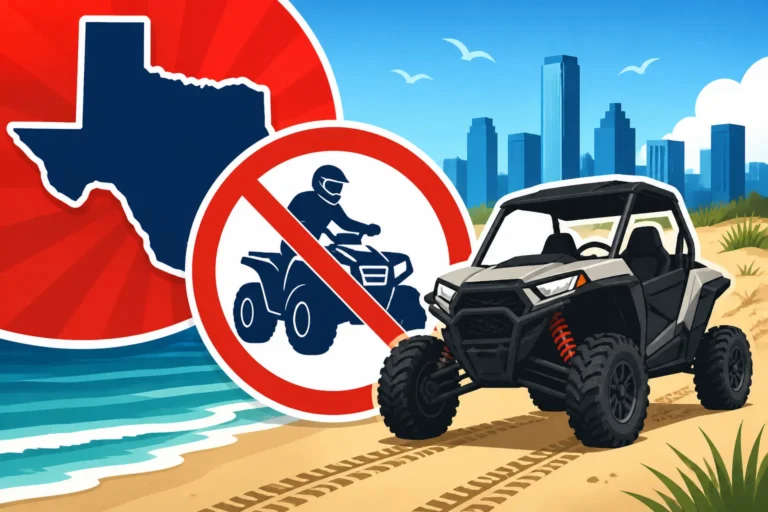
Texas boasts a long coastline, and each county and often each city along that coast can have its own specific rules when it comes to vehicles on the beach. What's perfectly fine in Galveston might be strictly prohibited in Padre Island National Seashore, and even different stretches of beach within the same county can have varying regulations. Some beaches might allow ATVs and UTVs but restrict them to certain hours or designated zones. Others might ban them outright, or require specific permits or beach access fees that are separate from any state titling or decal requirements. For a deeper dive into these local rules, check out our guide on [Texas Beach Riding Rules for ATVs].
This creates a true "patchwork" of regulations that can be a real headache for anyone just trying to enjoy a day of riding. You might have your license, your machine titled, and even a valid [Texas OHV Decal Cost], but still find yourself in violation of a local rule you didn't know existed. It's this lack of uniformity that often catches even experienced riders off guard, leading to fines, confusion, and sometimes, outright anger at the perceived bureaucracy. One beach might be wide open, while just a few miles down the coast, you're restricted to a narrow, paved access road.
How to Check Local Rules Before You Go
Given the varied landscape of beach rules, the absolute best defense is preparation. Never assume that because you rode on one Texas beach without issue, another will have the same permissive regulations. Before you even load your machine onto the trailer, take the time to research the specific beach you plan to visit.
Start by looking up the county or city government website for that particular beach area. Most will have a section dedicated to parks, beaches, or vehicle access. You can often find detailed ordinances, maps of approved riding areas, and information on any required local permits or fees. If online information is scarce or confusing, don't hesitate to call the local sheriff's department, city hall, or the specific park's office that manages the beach. A quick phone call can save you a lot of trouble and expense. Remember, claiming "I didn't know" won't get you out of a ticket if you're found in violation of a local ordinance. It's your responsibility as the operator to know and follow the rules wherever you choose to ride.
Beyond the Driver's License: Other Beach Riding Requirements
While carrying your driver's license is paramount, it's far from the only consideration when planning a beach ride in Texas. There are several other documents and pieces of equipment that you might need, depending on the specific location and the nature of your machine.
Registration, Plates, and Decals on the Beach
Texas has a somewhat unique system for off-highway vehicles. Unlike cars and trucks, ATVs and UTVs are generally not "registered" for on-road use in the traditional sense, as they are largely considered off-road vehicles. However, they are required to have a title, and some riders opt for the special [Texas Off-Highway Vehicle License Plate], which, while not allowing street legality, can be useful for identification and ownership. If you're riding in a designated state or federal recreation area that receives funds from the Texas Parks and Wildlife Department's OHV program, you'll also need a valid [Texas OHV Decal Explained]. This decal is an annual sticker that helps fund OHV trails and programs across the state.
The key here is understanding whether the beach you're on falls under these specific categories. Some beaches are simply open stretches of public land, while others might be part of a state park or national recreation area that does require the OHV decal. Additionally, some local beach communities might have their own local access permits or sticker requirements, often for a fee, to help manage traffic and maintain the beach. It's another layer of research that's crucial; don't assume that because your machine isn't "street legal" with a traditional license plate, it's exempt from all other identification requirements on a public beach. You might even find that some counties or cities charge a daily or annual fee for vehicles to access certain stretches of beach, which is typically a separate charge from state titling or decal fees.
Safety Gear and Equipment for Beach Riding
Even though beach riding often evokes images of relaxed cruising, safety should never take a backseat. The environment presents its own unique challenges, from soft sand and changing tides to unpredictable crowds and other vehicles. While Texas's helmet law typically applies to public land riding, the specific nuances on beaches can vary. For example, if your UTV has a roll cage and factory-installed seatbelts, you might be exempt from wearing a helmet, similar to rules in other public riding areas. However, for traditional ATVs, a helmet is almost always a good idea, and often a legal requirement on public lands.
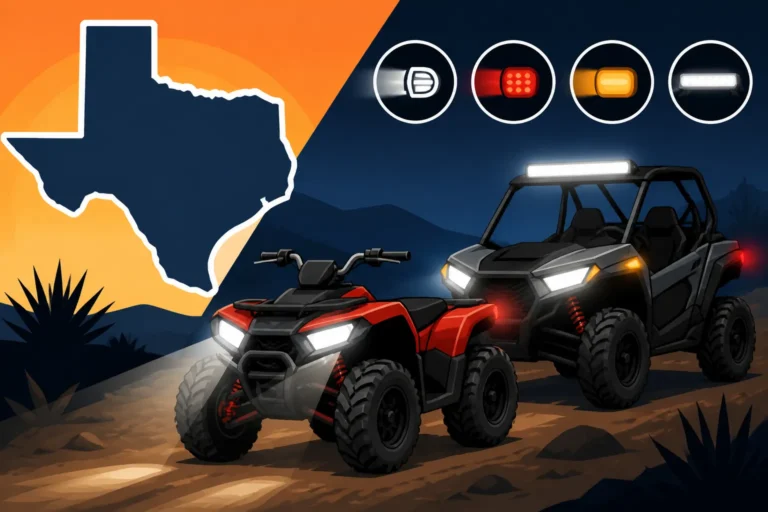
Beyond helmets, consider eye protection—sand and wind can be brutal. Gloves can improve grip and protect your hands. If you plan to be out after dark, ensure your machine has proper lighting. A common accessory, especially for public land riding, is a [Whip and Flag Rules at a Texas Park], which increases your visibility to other riders and vehicles in areas with dunes or varied terrain. Companies like SuperATV offer a range of durable accessories, including sturdy flags and mounting brackets, that can withstand the harsh beach environment. Always inspect your machine before hitting the sand, ensuring tires are properly inflated for the terrain, and all safety equipment is in good working order.
Age Restrictions and Supervision on Public Beaches
Another crucial aspect, especially for families, involves age restrictions for riders. Even if an adult in your group has a valid driver's license, that doesn't automatically mean a younger, unlicensed rider can operate an ATV or UTV on a public beach. Texas has specific rules regarding [Texas Rules for Riders Under 14] on public land. Generally, a child under 14 years old cannot operate an OHV on public land unless they are under the direct supervision of an adult who holds a valid safety certificate and are riding on an OHV designed for their age and size.
This means that even if the beach allows OHVs, you'll need to ensure any minor riders meet the state's safety certificate requirements and are supervised properly. A minor operating an OHV without the proper supervision or certificate could lead to a citation for the supervising adult. It's not uncommon for park rangers or beach patrol to ask for proof of a safety course, especially if they see younger riders. Always verify the age and supervision rules for the specific beach or public land area you intend to visit, as they can sometimes be more stringent than general state guidelines.
Practical Tips for a Smooth Beach Ride
Navigating the rules for beach riding in Texas can feel like a maze, but with a little preparation and common sense, you can ensure a safe and enjoyable experience for everyone.
Keep Your Documents Accessible and Protected
Since your driver's license is a must-have, along with potentially your title, proof of insurance (even if not required for off-road, it's always smart to have), and any local permits or decals, you need a plan for carrying them. The beach environment is notoriously harsh on paper and electronics. Water, sand, and sun can quickly ruin documents.
Invest in a waterproof, dustproof pouch or case to keep all your essential paperwork safe. Many riders attach these to their machine in an easily accessible but secure location, or keep them on their person in a waterproof fanny pack or backpack. The key is to have the originals readily available if a law enforcement officer asks for them. Don't rely on photos on your phone, as officers typically require physical documents. This simple step can prevent a lot of headaches and delays if you're stopped.
Be Aware of the Environment and Other Beachgoers
Beach riding is a unique experience, and it comes with specific responsibilities. Unlike a dedicated off-road park, beaches are multi-use areas. You'll likely share the sand with families sunbathing, children playing, fishermen, swimmers, and other vehicles. Respect for other beachgoers is paramount. Keep your speed appropriate, especially in crowded areas, and always be on the lookout for pedestrians, animals, and unexpected obstacles.
Stay off sensitive dune areas, as these are often protected and crucial for coastal ecosystems. Avoid driving through standing water or areas where wildlife might be nesting. Be mindful of noise, especially early in the morning or late in the evening. A SuperATV exhaust might sound great out on the trails, but on a crowded beach, keeping the roar down is a sign of respect. The more responsibly riders behave, the more likely these precious beach access privileges will continue to be allowed for OHVs.
What to Do if You're Stopped by Law Enforcement
It's a scenario no one wants, but if you're stopped by beach patrol, a park ranger, or a sheriff's deputy, knowing how to react calmly and respectfully can make all the difference. Pull over safely to the side of the beach and turn off your machine's engine. Keep your hands visible and follow all instructions given by the officer.
Be polite and cooperative. Provide your driver's license and any other requested documents promptly from your waterproof pouch. If you have questions about a specific rule or a citation, you can ask politely for clarification, but avoid arguing. Remaining calm and respectful will go a long way in ensuring a smoother interaction, even if you end up receiving a warning or a ticket. Remember, their job is to enforce the rules for everyone's safety on the beach.
Here's a quick summary of common documents and considerations for beach riding:
| Requirement | General Texas Rule for OHVs (on Public Land) | Applies to Public Beaches? | Notes |
|---|---|---|---|
| Driver's License | Required if operating a motor vehicle | YES | Crucial, as beaches are often considered public roadways. |
| OHV Title | Required | YES | Proof of ownership. May be requested. |
| OHV Decal | Required in TPWD-funded areas | POSSIBLY | Check if the specific beach or park receives TPWD OHV grant money. |
| OHV Plate | Optional, for identification | RARELY | The standard Texas OHV plate is not a registration for street legality, but it can provide ID. |
| Local Beach Permit | Not a state requirement | POSSIBLY | Many cities/counties require their own local permits/stickers for beach access. Check beforehand. |
| Safety Certificate | Required for riders under 14 | YES | Supervising adult must also hold one and provide direct supervision. |
| Helmet | Required on public land for ATV riders | USUALLY | Exceptions for UTVs with roll cages/seatbelts apply if the beach is considered public land for OHVs. |
| Eye Protection | Recommended | HIGHLY RECOMMENDED | Sand, wind, and debris can be significant hazards. |
Disclaimer
This article is for general informational purposes only and does not constitute professional advice. Laws, prices and regulations vary by location and change over time. Consult a qualified professional for guidance on your specific situation.