Beaches Closed by a County Order
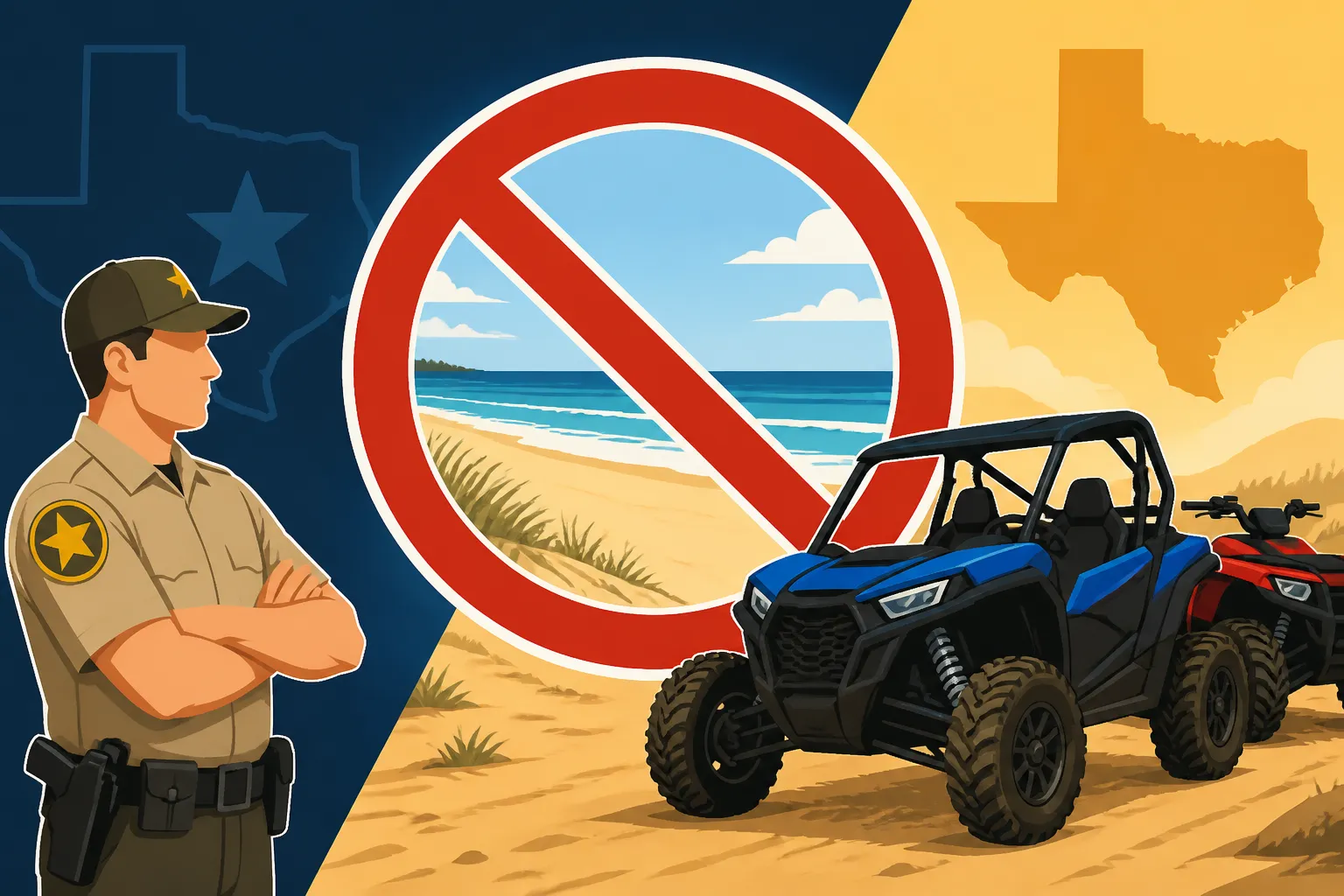
There’s nothing quite like the dream of cruising along a Texas beach on your ATV or UTV, the Gulf breeze in your face and the sand flying under your tires. But that dream can quickly turn into a headache when you arrive, only to find the access roads blocked and signs announcing beach closures by a local county order. It's a common frustration, leaving riders scrambling for alternative plans. This guide will help you understand why Texas counties close beaches to off-highway vehicles, how to check for these closures before you hit the road, and what your options are when the sand is off-limits.
The Power of Local Control: Why Texas Counties Can Close Beaches
It might feel unfair to be turned away from a public beach, but Texas counties actually have significant authority to manage their coastal areas, including the ability to restrict or prohibit off-highway vehicle (OHV) access. This isn't just a whim; these decisions are usually made for a variety of legitimate reasons, ranging from environmental protection to public safety, and sometimes even due to special events. Understanding this local control is key to anticipating and navigating potential closures.
Legal Frameworks for Beach Management
Counties along the Texas coast operate under specific state laws that grant them powers to oversee their stretches of shoreline. These laws empower local commissioners' courts to enact ordinances that regulate everything from littering to vehicle access. While state law generally allows for certain types of vehicles on designated parts of the beach, local jurisdictions often have the flexibility to create more stringent rules based on their unique circumstances. This means that what's allowed in one county might be restricted just a few miles down the coast in another. It's not a one-size-fits-all situation, and that's where the confusion often begins for riders. For a deep dive into broader coastal rules, check out [Texas Beach Riding Rules for ATVs].
Common Reasons for County-Ordered Closures
Counties don't typically close beaches to OHVs without what they consider good reason. Environmental concerns often top the list. Many stretches of Texas beach are critical nesting grounds for various species of birds and sea turtles, especially during spring and summer months. County officials, often working with state and federal agencies, might close areas to protect vulnerable wildlife during these sensitive periods. Another major factor is public safety. Overcrowding, particularly during peak holiday weekends, can lead to dangerous conditions with a mix of pedestrians, swimmers, and vehicles. Closures might also occur due to natural events like severe storms, which can cause significant erosion, debris accumulation, or create unsafe driving conditions on the sand. Occasionally, large public events like festivals, marathons, or clean-up efforts might necessitate temporary closures for OHVs.
How to Check for Beach Closures Before You Load Up
Showing up at the beach with your ATV or UTV, only to find it closed, is a major disappointment and a waste of time and fuel. The good news is that with a little proactive research, you can often avoid this frustration. Always make checking for closures part of your pre-trip planning.
Official County Websites and Social Media
The most reliable source of information for beach closures is the county government itself. Most coastal counties in Texas maintain official websites where they post public notices, commissioner's court agendas, and sometimes even dedicated pages for beach access information. Look for sections related to "Parks," "Coastal Management," or "Emergency Management." Many counties also use social media channels (like Facebook or Twitter) to disseminate real-time updates, especially concerning temporary or emergency closures. It's worth following the official pages of the county you plan to visit. Don't rely on unofficial forums or social media groups as your sole source, as information there can be outdated or inaccurate. For instance, if you're heading to Galveston County, check their official county website first.
Park and Beach Access Point Resources
Beyond the main county website, specific parks or beach access points might have their own websites or phone numbers. If you're targeting a particular state park like Galveston Island State Park, check the Texas Parks and Wildlife Department's website for specific rules and alerts related to OHV access, even if the primary closure is county-wide. Smaller, locally managed beach parks might have bulletin boards at their entrances or dedicated phone lines for recorded messages about conditions. Sometimes, local tourism boards or chambers of commerce also compile beach access information for visitors. When you're planning your trip, consider what upgrades you might need for different terrains, whether it's for sand or for a quick pivot to a mud park if the beach is closed. SuperATV offers a wide range of products, from lift kits to performance parts, that can make your machine adaptable to various Texas landscapes.
Local Law Enforcement and Visitor Centers
When in doubt, a quick phone call can save you a long drive. Contact the non-emergency line of the local sheriff's office or constable's precinct responsible for patrolling the beach area. They are usually well-informed about current access restrictions. Additionally, visitor information centers or chambers of commerce in coastal towns are excellent resources. Staff there are often locals who know the ins and outs of beach rules and can provide up-to-the-minute information on closures, especially during busy seasons or after significant weather events. They can also tell you about [Texas Cities That Ban ATVs on the Beach].
Navigating Closed Beaches: What to Do and Where to Go
Discovering your intended beach riding spot is closed can be a real bummer, but it doesn't have to ruin your entire day. It's crucial to respect all closure orders and avoid trying to circumvent them, as doing so can lead to fines and legal trouble. Instead, have a backup plan ready or use the opportunity to explore other riding options Texas has to offer.
Respecting the Signs and Avoiding Penalties
First and foremost, if you encounter signs indicating a county-ordered beach closure, do not proceed. These closures are legally enforceable, and ignoring them can result in a Class C misdemeanor, which comes with significant fines and potential impoundment of your vehicle. Law enforcement patrols coastal areas regularly, and they take these closures seriously, especially when they're in place for public safety or environmental protection. It's simply not worth the risk. Turn around, find an alternative, and save yourself a headache. For context on potential legal repercussions, familiarize yourself with [Texas Fines for Illegal ATV Road Use].
Finding Alternative Riding Spots in Texas
Texas is a huge state with diverse terrain, so a closed beach doesn't mean your riding day is over. If the coastal plan falls through, consider pivoting to an inland OHV park. Texas boasts several excellent parks specifically designed for ATVs and UTVs, offering everything from challenging rock crawling to muddy trails and wide-open spaces.
Here's a quick comparison of potential alternatives:
| Alternative Riding Type | Typical Terrain | Pros for OHV Riders | Cons for OHV Riders |
|---|---|---|---|
| Dedicated OHV Parks | Mud, rock, sand, woods | Designated trails, amenities, diverse challenges | Day use fees, can be crowded |
| Private Land (with permission) | Varies greatly (ranch, woods, fields) | Exclusive access, custom trails | Requires landowner permission, limited amenities |
| National Forests (specific trails) | Pine forests, dirt trails | Scenic, established trail systems | Strict rules, often 50-inch width limits |
| Riverbeds (Navigable Rivers) | Sand, gravel, shallow water | Unique experience, adventurous | Access points limited, rapidly changing conditions, check water levels |
For example, places like Barnwell Mountain Recreation Area or Hidden Falls Adventure Park offer hundreds of acres of trails suitable for all skill levels. These parks are usually well-maintained, have amenities, and provide a fantastic experience. You might even find that your machine, especially if it's already kitted out with SuperATV parts like robust winches or enhanced suspension, is perfectly suited for the challenges these parks present. Exploring [Where to Ride an ATV in Texas] can open up a whole new world of adventure.
Preparing for a Change of Plans
The key to a successful riding trip, even with unexpected closures, is flexibility and preparation. Always have a contingency plan. Before you leave home, identify a couple of alternative OHV parks or private riding spots within a reasonable driving distance of your primary destination. Pack your gear to be versatile for different terrains – don't just bring paddle tires if there's a chance you'll end up in a mud pit. Ensure your machine is in top condition and has any necessary accessories for varied environments. This might include a spare tire, a full tool kit, or even a recovery winch, especially if you're heading to more challenging terrain like a rock park. By doing a little homework and having a flexible mindset, a county-ordered beach closure won't derail your entire riding weekend.
Disclaimer
This article is for general informational purposes only and does not constitute professional advice. Laws, prices and regulations vary by location and change over time. Consult a qualified professional for guidance on your specific situation.