Volunteer Firefighters on a Texas ATV
When you're a volunteer firefighter in Texas, your commitment often means being ready to respond at a moment's notice, sometimes to places a standard fire truck just can't reach. It's a common frustration to wonder if your personal ATV or UTV, which is perfectly capable of traversing rugged terrain, can be legally used to get to an emergency scene or perform vital tasks. This guide aims to clear up the specific Texas laws and practical considerations for volunteer firefighters using off-highway vehicles (OHVs) in their crucial service to the community.
The Unique Role of Volunteer Firefighters and OHVs in Texas
Being a volunteer firefighter in Texas is more than just a title; it's a profound commitment to your neighbors, often in areas where professional fire departments are few and far between. These dedicated individuals form the backbone of emergency response in countless rural and remote communities across our vast state. Their ability to react quickly, especially when battling brush fires, responding to accidents in difficult terrain, or assisting during floods, is absolutely invaluable.
Why OHVs Are Essential for Rural and Remote Emergencies
Imagine a brush fire erupting deep within a ranch, miles from the nearest paved road. Or a hiker needing assistance on a remote trail. Perhaps there's a vehicle accident on an unpaved county road, made impassable by recent heavy rains. In scenarios like these, traditional emergency vehicles like large fire engines, ambulances, or even standard pickups simply can't get close enough, quickly enough. This is where the agility and off-road capability of ATVs and UTVs become not just helpful, but truly essential. These machines can navigate narrow trails, traverse muddy fields, and climb steep inclines that would stop other vehicles dead in their tracks. They can carry essential gear, transport personnel, and even assist with initial containment efforts for fires, buying critical time until larger equipment can arrive or support from the air becomes available. For departments with limited budgets, leveraging existing OHV resources can be a game-changer.
The Challenges Volunteer Departments Face
Volunteer fire departments, by their very nature, often operate with shoestring budgets and rely heavily on donations and the dedication of their members. This often means they don't have the luxury of a full fleet of specialized emergency OHVs specifically purchased and outfitted for department use. Instead, many volunteers use their personal ATVs or UTVs, modified with items like additional lighting or communication equipment, out of necessity. This brings up a host of questions and concerns: Is this legal? What are the liability implications? How far can I go on a public road? These aren't just theoretical questions; they're real anxieties that can impact a volunteer's willingness or ability to respond effectively. Clarifying these rules helps ensure that those who are risking it all for their community can do so confidently and within the bounds of the law, allowing them to focus on the emergency at hand rather than worrying about a ticket.
Understanding Texas Law for Emergency Service OHV Use
Texas law generally has pretty strict rules about where off-highway vehicles can and cannot be operated, especially concerning public roads. This is a source of frequent confusion and concern for many OHV owners, and it becomes even more critical when those owners are volunteer firefighters trying to do their job. It’s important to understand the general prohibition before diving into the specific exceptions that apply to emergency responders.
The General Ban on OHVs on Public Roads
For the average Texan, operating an ATV or UTV on a public road is generally prohibited. The state defines off-highway vehicles specifically for off-road use, and that distinction is pretty firm. This means you can't just hop on your quad and drive down the highway to the grocery store, nor can you usually drive it on a county road to get to your hunting lease. There are specific exceptions for agricultural use or crossing roads at intersections, but the overarching rule is that public roads are off-limits. This is why many riders focus on [Where to Ride an ATV in Texas] at dedicated parks or on private land with permission. This general rule is in place for safety reasons, as OHVs are not designed with the same safety features as street-legal vehicles and their presence on public roadways can pose risks to both the rider and other motorists.
Specific Exemptions for Emergency Response
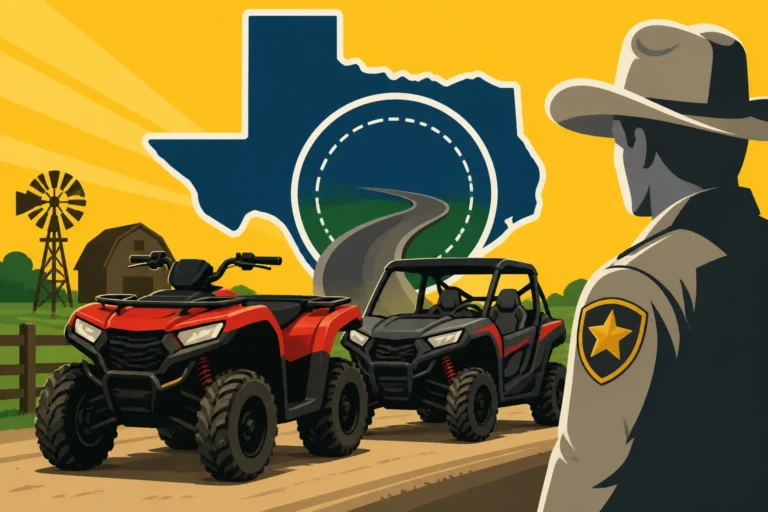
However, Texas law recognizes the vital role of emergency services, and it carves out specific exemptions to allow for the use of OHVs in these critical situations. These aren't loopholes; they are carefully considered provisions designed to ensure that first responders, including volunteer firefighters, can do their job effectively when other means aren't practical. These exemptions allow an OHV to be operated on public roads when it's being used by a "firefighter, emergency medical services personnel, or a peace officer" in the course of their official duties. This is a broad but crucial allowance, acknowledging that an emergency doesn't always happen next to a paved road. It recognizes that in certain situations, an OHV is the most efficient, or perhaps the only, way to reach a scene, transport equipment, or provide assistance. This legal backing is what gives volunteer firefighters the confidence to use their machines for the greater good, under specific conditions.
The "10-Mile Limit" Exemption for Volunteer Firefighters
While the general exemption allows emergency personnel to use OHVs during their official duties, there’s a specific nuance many volunteer firefighters need to be aware of, especially concerning travel on public roads when responding from their homes or stations. This is often colloquially referred to as the "10-mile limit" and understanding its precise application is key to legal and safe operation.
Defining the Scope of the 10-Mile Rule
Texas Transportation Code Section 551.004, subsection (f), is where this specific detail lives. It states that an off-highway vehicle may be operated on a public road not more than 10 miles from the place where the vehicle is stored or maintained when the operator is a volunteer firefighter or emergency medical services personnel who is performing official duties. This is a very specific carve-out designed to help volunteers get to an incident quickly from their home or local station. It's not a blanket permission to drive anywhere; it's a limited travel radius. The "10-mile limit" is crucial because it addresses the practical reality of volunteer service: many volunteers keep their OHVs at home, and emergencies don't always happen right next door. This provision allows them to bridge that gap and quickly get to where they're needed, assuming the destination is within that 10-mile radius. It also implies a certain level of directness in travel; you're not meant to be running other errands or taking detours under this specific exemption. The intent is solely for official emergency response travel.
Practical Scenarios and Interpretations
Let's consider a few real-world examples to understand how this 10-mile rule plays out. Imagine a volunteer firefighter gets a call about a grass fire three miles down a county road from their house. Under this exemption, they could legally use their personal UTV to drive directly to the scene. This quick response can make all the difference in containing a fast-moving fire. Or perhaps the fire station is five miles away, and they need to pick up a piece of specialized equipment that can only be transported by an ATV, then take it two miles further to the incident. Both parts of that journey would likely fall within the 10-mile limit from the "place where the vehicle is stored or maintained." However, if that same firefighter wanted to drive their ATV fifteen miles to another town's fire station for a routine meeting, that would generally not be covered by this specific 10-mile rule, as it exceeds the distance limit and may not strictly fall under "performing official duties" in an emergency response context. Always remember that the spirit of the law is for emergency response, not general transportation. This rule also means that while you might be able to use your personal machine for quick responses, you still won't be putting a [The Texas Off-Highway Vehicle License Plate] on it for daily road use.
Equipment and Safety Considerations for Emergency OHVs
While the law provides exemptions for emergency use, simply having an ATV or UTV isn't enough. Volunteer firefighters need to ensure their machines are appropriately equipped and that they operate them safely, especially given the high-stakes nature of emergency response. This isn't just about compliance; it's about effectiveness and the safety of the responder and the public.
Essential Gear and Modifications for Response
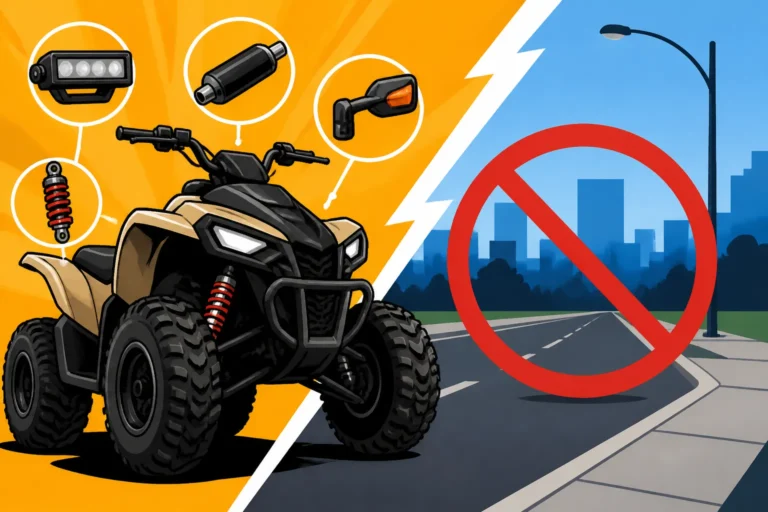
When an OHV is repurposed for emergency use, it often needs to go beyond its factory setup. Think about the demands of a search and rescue operation in the dark or battling a wildfire. Enhanced lighting, beyond standard headlights, is almost always necessary for visibility and to illuminate work areas. This could include LED light bars or spot lamps. Communication equipment, like two-way radios, is vital to coordinate with other responders, as cell service can be unreliable in rural Texas. Navigation tools, such as GPS units, can be critical when operating off-trail in unfamiliar territory.
Heavy-duty winches are another frequently added modification, useful for clearing obstacles or recovering stuck vehicles, including the OHV itself. Consider companies like SuperATV that offer a range of robust winches, heavy-duty suspension components, and protective gear that can stand up to the rigors of emergency service. Storage solutions, such as cargo boxes or racks, are also essential for carrying medical kits, tools, or firefighting equipment like shovels and hand tools. Finally, visible markings like reflective tape or even an emergency strobe light, especially when operating on or near public roads, can dramatically improve safety and signal the vehicle's official status.
Training and Operational Protocols
Having the right equipment is only half the battle; knowing how to use it safely and effectively is just as important. Volunteer firefighters operating OHVs for emergency response should ideally undergo specialized training. This goes beyond basic rider safety courses and delves into skills like navigating challenging terrain under pressure, operating with a heavy load, using winches safely, and conducting searches in adverse conditions. Many departments develop their own internal operational protocols for OHV use during emergencies. These protocols might cover when an OHV is appropriate to deploy, how it should be equipped, who is authorized to operate it, and specific safety guidelines for responding to different types of incidents. Consistent training and clear protocols not only enhance effectiveness but also help mitigate liability risks for both the individual volunteer and the department. The goal is to ensure that every time an OHV is deployed for an emergency, it's done so with the highest level of professionalism and safety.
Navigating Local Regulations and Department Policies
While state law provides the overarching framework for OHV use by volunteer firefighters, local jurisdictions and individual fire departments often have their own specific rules and guidelines. Ignoring these can lead to complications, even if you're operating within the general scope of state law. It's crucial for volunteers to be well-versed in both.
The Importance of Local Ordinances and Agreements
Texas is a vast state, and what might be acceptable in one county or municipality might have specific nuances or additional requirements in another. Cities and counties in Texas often have the authority to enact their own ordinances regarding vehicle operation, including OHVs, even on roads that fall under their jurisdiction. For volunteer firefighters, this means it's not enough to just know the state transportation code. You need to be aware of any local ordinances that might affect your ability to operate your ATV or UTV on city streets or county roads within your service area.
Some local governments might have formal agreements or memorandums of understanding with their volunteer fire departments that specifically address OHV use, including approved routes or specific equipment requirements. For example, a county might specify that any OHV used for emergency response must have certain visible markers or lighting, even if state law is less prescriptive. It's always best to check with your local city or county clerk's office, or the sheriff's department, to understand any relevant local rules. These local details are important, and they highlight why [Which County Office Handles Your Title] for your OHV is a specific local process, not just a state one.
Departmental Best Practices for OHV Use
Beyond legal requirements, every volunteer fire department should establish clear internal policies and best practices for the use of OHVs by its members during emergency responses. These policies serve several critical purposes: they ensure consistency, enhance safety, and provide clarity to volunteers. A well-defined policy might outline:
- Authorized Personnel: Who is permitted to operate an OHV for emergency response (e.g., must be a certified firefighter, have specific training).
- Approved Vehicles: If personal OHVs are used, what are the minimum requirements for their condition, maintenance, and necessary modifications?
- Operational Procedures: When and how an OHV should be deployed (e.g., for brush fires, search and rescue, medical transport in remote areas), including communication protocols.
- Safety Gear: Requirements for helmets, eye protection, and other personal protective equipment (PPE) specific to OHV operation in emergency contexts.
- Maintenance & Inspection: Guidelines for ensuring personal OHVs used for duty are in safe working order.
These internal guidelines don't just protect the department; they protect the individual volunteer by providing clear boundaries and expectations. They also help standardize response efforts, ensuring that all OHV-assisted operations are conducted safely and efficiently. A department might even have specific kits or equipment that must be carried on an OHV during a call, regardless of whether it’s a personal or department-owned machine.
Protecting Your Personal Machine When Serving Your Community
Volunteer firefighters who use their personal ATVs or UTVs for emergency response are making an incredible sacrifice of their time, effort, and often their own resources. It's natural to have concerns about what happens if something goes wrong with their machine while they're on duty. Understanding the nuances of insurance and liability, as well as the practical implications of wear and tear, is crucial.
Insurance and Liability Concerns
This is perhaps one of the most pressing questions for volunteers: what happens if my personal ATV is damaged, or if I'm involved in an accident, while responding to an emergency? The answer can be complex and depends on several factors.
Firstly, your standard personal ATV insurance policy might not cover incidents that occur while the vehicle is being used for official emergency response. Many personal policies have exclusions for commercial use or use in professional capacities. It is absolutely essential to speak directly with your insurance provider to clarify your coverage. Some insurers might offer special endorsements or policies for vehicles used in volunteer emergency services.
Secondly, regarding liability, most states, including Texas, have "Good Samaritan" laws or specific protections for volunteers acting in their official capacity. These laws are designed to shield volunteers from personal liability for damages or injuries that occur during their service, provided they are acting in good faith and not with gross negligence. However, these protections are not always absolute. If your fire department has its own insurance, it might extend coverage to its volunteers' personal equipment when used for official duties. This is a critical point to discuss with your department leadership: what is the department's policy on personal vehicle use, and what insurance coverage, if any, does the department provide for damage to private property or for liability arising from a volunteer's actions while on duty? Establishing clear agreements and understanding departmental coverage before an incident occurs can save a lot of stress and financial burden later.
Maintenance and Wear from Emergency Use
Let's be realistic: using your ATV or UTV to haul gear, navigate treacherous terrain, or push through brush during an emergency call is going to put more strain on it than a casual weekend ride. This heavy use can accelerate wear and tear on everything from tires and suspension to the engine and frame.
Consider the types of accessories you might need, like those from SuperATV, designed for heavy-duty applications. A heavy-duty bumper or skid plate might be a wise investment to protect against unexpected impacts with debris during a rapid response. The constant stop-and-go, idling, and periods of high-stress operation can take a toll on an engine, requiring more frequent oil changes and inspections. Tires are particularly vulnerable, as off-trail emergency response often means encountering sharp rocks, thorns, and uneven surfaces. Keeping an eye on tire pressure and regularly inspecting for damage is critical.
A volunteer should factor in these increased maintenance costs and the potential for accelerated depreciation of their machine. It’s a silent contribution to the community often overlooked. Regular preventative maintenance, thorough post-incident inspections, and keeping detailed service records are all crucial steps. While a volunteer's passion for service is admirable, it's also important to be pragmatic about the impact on personal equipment and plan accordingly. This might mean setting aside a specific budget for repairs or considering upgrades that enhance durability, recognizing that your machine is more than just a toy—it’s a vital tool in saving lives and property.
Table: Key Texas OHV Rules for Volunteer Firefighters
To help consolidate some of this information, here's a quick reference table regarding volunteer firefighter OHV use in Texas:
| Aspect | General OHV Rule (Non-Emergency) | Volunteer Firefighter OHV Use (Emergency) | Key Details/Considerations |
|---|---|---|---|
| Public Road Use | Generally Prohibited | Exempted for Official Duties | Allowed to operate on public roads when performing official duties as a firefighter, EMS, or peace officer. |
| Distance Limit | N/A | Up to 10 Miles from Storage | Specifically, for volunteers, an OHV may be operated on a public road not more than 10 miles from where it's stored/maintained, when performing official duties. |
| Required Equipment | Basic safety equipment (e.g., brakes, muffler) | Basic safety + Enhanced Emergency Gear | Consider additional lighting, communication, winches, reflective markings, and cargo solutions. |
| Training | Recommended RiderCourse | Highly Recommended Specialized Training | Beyond basic riding, train for emergency scenarios, heavy loads, and specific equipment use. |
| Local Regulations | Vary by city/county | Must comply with State AND Local Rules | Check local ordinances and departmental policies for additional requirements or restrictions. |
| Insurance | Personal OHV policy | Consult Insurer, Department Policy | Personal policies may exclude emergency use. Confirm coverage with your provider and department. |
| Maintenance | Regular upkeep | Increased Frequency/Durability Upgrades | Expect accelerated wear. Invest in heavy-duty parts; perform frequent inspections. |
| Registration/Title | [Titling an ATV in Texas] required, no road registration | [Why Registration Is Not Available in Texas] applies; official use exemption is separate from road registration. | The exemption for emergency use does not make the OHV street legal for general purposes. |
This article is for general informational purposes only and does not constitute professional advice. Laws, prices and regulations vary by location and change over time. Consult a qualified professional for guidance on your specific situation.