Which Spark Arresters the Forest Service Approves
There's nothing quite like hitting the trails in your ATV or UTV, especially here in Texas where the landscape offers such incredible diversity. But for those of us who love to explore public lands, particularly our beautiful national forests, there's a critical piece of equipment that often gets overlooked until it's too late: the spark arrester. Ignoring this small but mighty component can not only lead to hefty fines and trail closures but, more importantly, can put our cherished natural spaces and even lives at risk due to wildfires. This guide will walk you through exactly what the U.S. Forest Service looks for, how to identify an approved spark arrester on your machine, and why it's so vital for responsible riding in Texas.
Understanding the Purpose of a Spark Arrester
When you hear "spark arrester," your mind might jump straight to fire prevention, and you'd be absolutely right. But let's really dig into what this often-misunderstood device does and why it's far more than just a bureaucratic checkbox. Every time your ATV or UTV engine runs, it produces hot exhaust gases. Within these gases, especially in older or poorly maintained engines, there can be incandescent carbon particles – tiny, super-heated embers that are essentially miniature sparks. If these sparks escape your exhaust system and land on dry grass, leaves, or other flammable debris, they can ignite a wildfire in mere seconds.
Imagine cruising through the Sam Houston National Forest on a warm, dry afternoon. The ground is covered in pine needles and dry underbrush. Without a proper spark arrester, every time you rev your engine, you're potentially ejecting these fiery little particles, essentially scattering live embers across the forest floor. It's a terrifying thought, especially knowing how quickly a small spark can turn into an inferno, destroying vast tracts of land, wildlife habitats, and threatening homes. The spark arrester acts as a filter, a last line of defense, trapping those dangerous carbon particles before they ever leave your exhaust pipe. It's designed to withstand the extreme temperatures of the exhaust and effectively cool and extinguish these sparks.
The U.S. Forest Service's Critical Role in Spark Arrester Approval
Now, you might be thinking, "Can't I just stick any old screen in my exhaust and call it a day?" The answer is a resounding "no," and this is where the U.S. Forest Service comes in. They aren't just making recommendations; they're setting a standard for safety that is legally enforceable on public lands. The Forest Service's approval process for spark arresters is rigorous because the stakes are incredibly high. They don't want a "good enough" solution; they demand a reliably effective one. This process involves specific performance criteria that a spark arrester must meet to be certified for use.
Their role stems from a long history of devastating wildfires caused by off-highway vehicles (OHVs) and other equipment. To combat this, they developed specific testing standards to ensure that spark arresters truly do what they're designed to do: prevent sparks from escaping. When a manufacturer submits a spark arrester for approval, it undergoes a series of tests to verify its effectiveness in trapping carbon particles, its durability under extreme heat and vibration, and its ability to maintain engine performance without excessive backpressure. It’s a thorough evaluation that takes the guesswork out of whether a particular arrester is up to the task of protecting our public lands. You can think of it as a stamp of approval from the ultimate authority on forest fire safety.
Understanding the Approval Process and Its Standards
The U.S. Forest Service (USFS) standard for spark arresters is outlined in their "Standards for Spark Arresters for Internal Combustion Engines." This document specifies the design, construction, and performance requirements necessary for an arrester to be considered effective. It's not just about catching sparks; it's also about maintaining engine safety and efficiency. For example, an arrester can't excessively restrict exhaust flow, which could lead to engine damage or reduced power. Nor can it break down prematurely due to heat or vibration, rendering it useless.
Manufacturers of OHVs and aftermarket exhaust systems know these standards inside and out. When a spark arrester meets the USFS criteria, the manufacturer is granted approval, and the product can then be labeled as such. This isn't a one-time deal; manufacturers are expected to maintain these standards in their production. This ensures that when you buy a new machine or a replacement exhaust component, you can have confidence in its fire prevention capabilities. For riders wanting to know more about the specific requirements, delving into the USFS standards can be quite informative, though most riders primarily need to know how to identify an approved one on their machine.
Why Forest Service Approval Matters More Than Just "Having One"
It’s a common misconception that simply having any kind of screen or mesh in your exhaust system is enough. Unfortunately, that’s not true, and it’s a mistake that can cost you dearly. An unapproved or makeshift spark arrester might give you a false sense of security, but it likely won't meet the stringent standards required to prevent wildfires effectively. A homemade screen might corrode quickly, blow out under pressure, or have a mesh size that's too large to trap smaller, but still dangerous, incandescent particles.
Furthermore, on designated public riding areas like the Sam Houston National Forest, law enforcement rangers are trained to check for USFS-approved spark arresters. If your machine is found without one, or with one that doesn't bear the proper marking, you could face significant fines. It's not just about avoiding a ticket; it's about being a responsible steward of the land. Our ability to continue riding on public lands depends heavily on adherence to these safety regulations, which protect everyone's access. The [Texas Spark Arrester Requirement] is specifically designed to enforce this safety measure on trails that could be susceptible to fire.
How to Identify a USFS-Approved Spark Arrester
So, you're ready to hit a trail where a spark arrester is required, like those in the national forests in Texas. How do you know if your machine's arrester passes muster? The good news is that identifying an approved spark arrester is usually quite straightforward, thanks to specific markings that manufacturers are required to use. You don't need to be an expert in exhaust system design; you just need to know what to look for. This check should be part of your routine pre-ride inspection, especially if you’re planning on visiting a new park or trail system.
Most modern ATVs and UTVs come from the factory with a USFS-approved spark arrester already installed, especially if they are designed for recreational use. However, if you've ever replaced your muffler or installed an aftermarket exhaust system, you absolutely need to double-check. Aftermarket parts, while often offering performance benefits, aren't always automatically compliant. Companies like SuperATV, for instance, often clearly market their exhaust systems or replacement spark arresters as USFS-approved, making it easier for riders to find compliant upgrades. Always look for that crucial stamp or label.
The Tell-Tale Markings: What to Look For
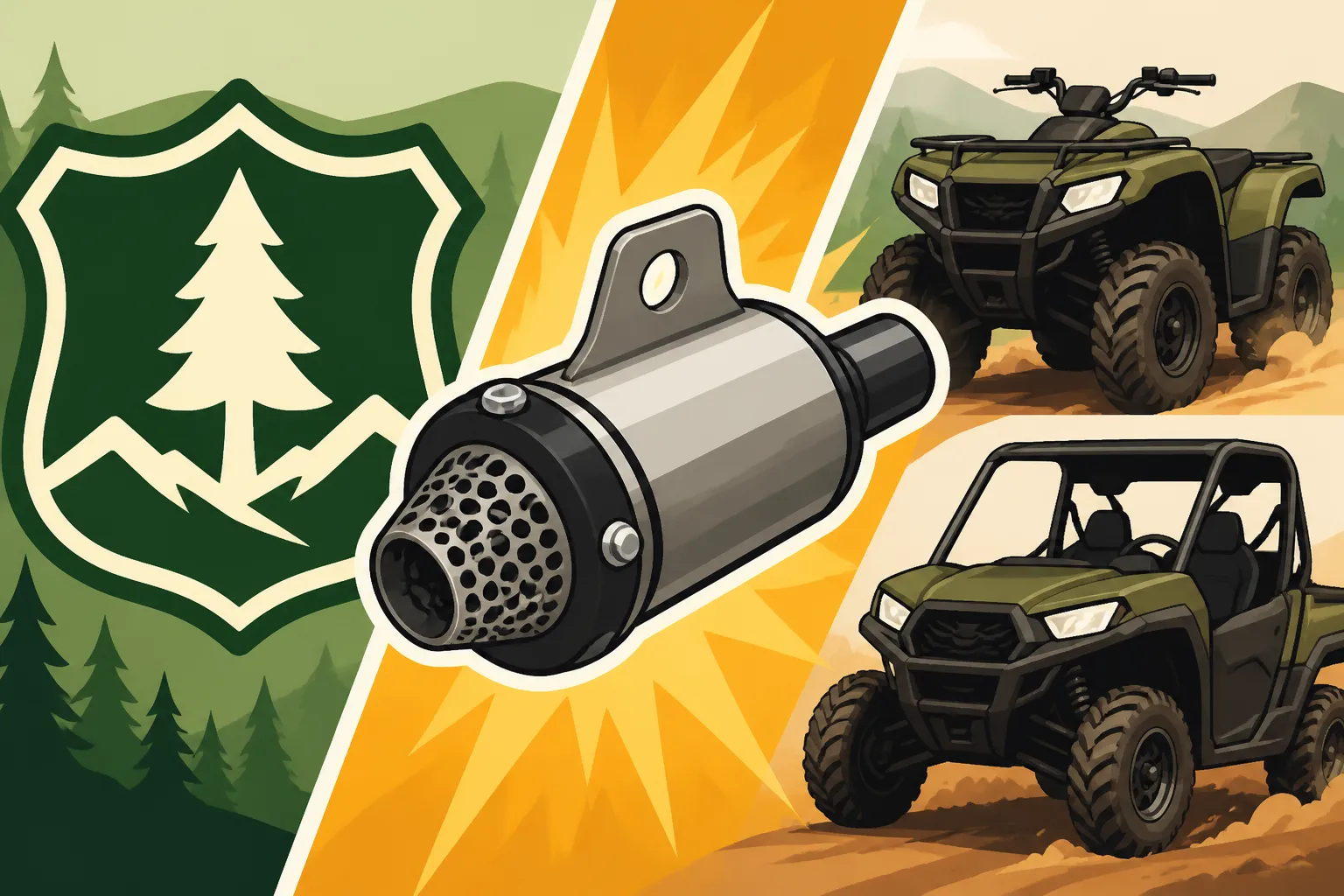
The primary way to identify a USFS-approved spark arrester is by looking for specific identification markings on the device itself. These markings are typically stamped or permanently affixed to the spark arrester or the muffler housing. You'll usually find the letters "USFS" followed by a specific number or code. Sometimes it might just say "Spark Arrester – USFS Approved" or "Meets USFS Standard." These markings are your definitive proof that the device has passed the Forest Service's rigorous testing.
Typical Markings to Locate:
- "USFS Approved"
- "USDA Forest Service Approved"
- "Spark Arrester – USFS"
- Specific USFS identification numbers or codes
You'll generally find these markings on the outer casing of the muffler, near the exhaust tip, or directly on the spark arrester screen or baffle itself if it's a removable unit. It might be small, so get down and use a flashlight if necessary. It’s also a good idea to check your owner’s manual, which often specifies whether the factory-installed exhaust system includes a USFS-approved spark arrester. If you can't find these markings, assume it's not approved and take steps to remedy the situation before you head out. This simple check can save you a headache and potential fines when riding on [Texas Rules for Riding a National Forest Trail].
The Visual Inspection: More Than Just a Stamp
Beyond the official markings, a quick visual inspection can tell you a lot about the condition and type of your spark arrester. Even an approved arrester can become clogged or damaged over time, rendering it ineffective. Most spark arresters use a screen or a series of baffles to trap sparks. You should be able to see the exhaust gases pass through this screen or baffle system.
When you're inspecting, look for:
- Damage: Are there any holes, tears, or significant dents in the screen or baffles? Any damage could allow sparks to escape.
- Clogging: Is the screen or baffle system caked with carbon buildup? Excessive buildup can restrict exhaust flow, reduce engine performance, and even become a fire hazard itself. Many spark arresters are designed to be removable for cleaning. If yours is, it’s a good practice to clean it regularly according to your manufacturer’s recommendations. This is particularly important if you frequently ride in dusty conditions or use lower-quality fuel that might create more carbon. Products from companies like SuperATV often come with clear instructions for maintenance, helping you keep your machine compliant and safe.
When in Doubt: What to Do If You're Unsure
If you've checked your machine thoroughly and still can't find any USFS markings, or if the arrester looks damaged or heavily clogged, it's always best to err on the side of caution. Riding without an approved and functional spark arrester on public lands is simply not worth the risk.
Your first step should be to consult your owner's manual. It often provides details about the exhaust system and spark arrester. If that doesn't yield an answer, contact the dealer where you purchased your machine or the manufacturer directly. Provide them with your make, model, and year, and they should be able to tell you if your stock exhaust includes an approved spark arrester or recommend a compliant replacement part. For aftermarket exhaust systems, contact the manufacturer of that specific exhaust. Many reputable brands, including those you might find through retailers like SuperATV, make it clear on their product pages whether their exhaust systems or add-ons are USFS-approved. Remember, compliance isn't just a suggestion; it's often a legal requirement on specific riding areas, particularly within national forests that are governed by [Texas National Forest Permits].
The Consequences of Non-Compliance
It might seem like a small detail, but neglecting your spark arrester can lead to some pretty serious consequences, both for you as a rider and for the environment we all cherish. The U.S. Forest Service and other land management agencies don't take these regulations lightly, and neither should we. Understanding the potential repercussions can be a strong motivator to ensure your machine is always properly equipped.
Legal Penalties and Fines
Riding an ATV or UTV without a USFS-approved spark arrester on lands where it's required, such as national forests or certain state parks, can result in significant fines. These aren't just minor infractions; they are often classified as misdemeanors under federal regulations, carrying penalties that can range from hundreds to thousands of dollars. Imagine planning a fun weekend ride at the Sam Houston National Forest, only to have your trip cut short and your wallet lightened by a ranger inspection. It's a frustrating scenario that's entirely avoidable.
Beyond federal fines, local law enforcement or state park officials might also have their own penalties. These fines are often designed to be a deterrent, emphasizing the seriousness of wildfire prevention. Don't forget that if your unapproved spark arrester were to cause a wildfire, you could be held liable for the immense costs associated with firefighting efforts, property damage, and environmental restoration. That's a financial burden no one wants to face, making the small investment in a compliant spark arrester seem negligible by comparison. This is a far more severe consequence than simply racking up [Texas Fines for Illegal ATV Road Use].
Environmental Impact and Trail Closures
The most devastating consequence of unapproved spark arresters is, without a doubt, the potential for wildfires. We've all seen the images of massive wildfires consuming forests, destroying wildlife habitats, and polluting the air. A single spark from an OHV could be the catalyst for such a disaster. Texas, with its often dry conditions, especially during the summer and fall, is particularly vulnerable to wildfires. The environmental damage from even a relatively small fire can take decades, if not centuries, to recover from.
In addition to ecological devastation, consistent non-compliance with spark arrester regulations can lead to widespread [Texas Rules for Riding a Closed Trail] or even permanent closures of riding areas. When land managers see a pattern of disregard for safety rules, they are forced to take action to protect the land. This means fewer places for all of us to ride, impacting the entire OHV community. No one wants to lose access to their favorite trails because a few riders failed to equip their machines properly. Adhering to the [Texas Rules for Riding Public Land] including spark arrester requirements, is a collective responsibility that protects our access to these incredible resources.
Maintaining Your Spark Arrester for Continued Compliance
Just because your machine has a USFS-approved spark arrester doesn't mean your responsibility ends there. Like any part of your ATV or UTV, it requires regular maintenance to ensure it continues to function effectively. A clogged or damaged spark arrester is just as dangerous as not having one at all. Integrating spark arrester checks into your routine maintenance schedule is crucial for safety, compliance, and optimal engine performance.
Cleaning Your Spark Arrester
The most common maintenance task for a spark arrester is cleaning. Over time, carbon deposits from the engine's exhaust gases can build up on the screen or baffles, reducing their effectiveness and potentially creating backpressure that can harm your engine. The frequency of cleaning depends on how often you ride, the type of fuel you use, and your engine's specific characteristics.
Steps for Cleaning:
- Consult your owner's manual: It will provide specific instructions for removing and cleaning your particular spark arrester. Some are integrated into the muffler, while others are removable inserts.
- Remove the spark arrester: This usually involves removing a few screws or bolts to access the screen. Ensure the exhaust is cool before you start!
- Clean the screen/baffles: Use a wire brush or scraper to remove carbon deposits. Avoid using harsh chemicals unless specifically recommended by the manufacturer, as they could damage the material. For stubborn buildup, soaking the screen in a carbon cleaner or even some household degreasers might help.
- Inspect for damage: While cleaning, carefully check for any holes, tears, or warping. If the screen is damaged, it needs to be replaced.
- Reinstall: Once clean and dry, reinstall the spark arrester securely. Make sure all fasteners are tightened to the manufacturer's specifications.
Regular cleaning not only ensures fire safety but also helps maintain your engine's optimal performance by preventing excessive backpressure. This simple step is a critical part of being a responsible rider.
When to Replace Your Spark Arrester
Even with diligent cleaning, a spark arrester won't last forever. Over time, the metal can degrade from constant exposure to high heat and corrosive exhaust gases. If you notice persistent damage that cannot be repaired, such as rust, holes that won't go away after cleaning, or a severely bent screen, it's time for a replacement.
When replacing, always ensure you purchase a USFS-approved part. This is particularly important if you're buying an aftermarket replacement. Many reputable companies, like SuperATV, offer direct replacement spark arresters or complete exhaust systems that are clearly marked as USFS-approved, giving you peace of mind. Investing in a high-quality, approved replacement is a small price to pay for protecting our forests and your right to ride. Checking for damage should be part of your routine inspections, just like checking your tires or brakes.
Spark Arrester Checklist for Texas Riders
Before you load up your rig and head out for a day of adventure in Texas, especially to any of our incredible public riding areas like the Sam Houston National Forest, take a few minutes to run through this spark arrester checklist. It's a small investment of time that can save you a lot of hassle and help protect our natural resources.
| Item | Checkpoint | Status (Yes/No/N/A) | Notes |
|---|---|---|---|
| USFS Approval Markings | Is "USFS Approved" or similar permanently stamped on the muffler/arrester? | Look closely, may be small. | |
| Physical Condition | Is the spark arrester screen/baffle free of holes, tears, or significant dents? | Damaged screens allow sparks to escape. | |
| Cleanliness | Is the spark arrester free of excessive carbon buildup or clogging? | Clogging reduces effectiveness and can harm engine performance. | |
| Proper Installation | Is the spark arrester securely installed and all fasteners tight? | Loose parts can fall off or become ineffective. | |
| Owner's Manual Reference | Does your owner's manual confirm the stock arrester is USFS approved? | A good cross-reference for factory-installed units. | |
| Aftermarket Compliance | If aftermarket, does the manufacturer explicitly state it's USFS approved? | Always verify compliance for non-OEM parts. Retailers like SuperATV often list this detail clearly. | |
| Trail Requirements | Do the specific trails or parks you're visiting require a spark arrester? | Assume public lands require it, but always confirm. |
By performing this quick check, you're not just avoiding a potential fine; you're actively contributing to the safety and longevity of our riding opportunities. Whether you're riding the [Sam Houston National Forest's 85-Mile OHV Trail] or exploring other designated areas, your compliant spark arrester is a testament to responsible OHV use. Let's all do our part to keep Texas wild and beautiful for generations of riders to come.
Disclaimer
This article is for general informational purposes only and does not constitute professional advice. Laws, prices and regulations vary by location and change over time. Consult a qualified professional for guidance on your specific situation.