Texas Rules for Riding With a Dog
For many of us who love the open trails and the thrill of off-roading, our dogs aren't just pets; they're family. It's only natural to want to share those adventures with them. However, just letting Fido jump in the UTV and hit the dirt can lead to serious safety issues, fines, or even heartbreak if you don't know the specific rules and best practices for riding with your furry companion in Texas. This guide will walk you through the often-unwritten rules, crucial safety considerations, and trail etiquette needed to safely and responsibly bring your dog along for the ride.
The Legal Landscape: What Texas Law Says About Pets on OHVs
Navigating the legalities of bringing your dog on an ATV or UTV ride in Texas can feel like a trek through dense brush – confusing and with unclear paths. The truth is, Texas law doesn't have a dedicated chapter specifically outlining how your dog must ride on an off-highway vehicle. This lack of explicit regulation doesn't mean you can do whatever you want; instead, it means you fall back on broader animal welfare laws and the specific rules of the land you're riding on.
General Texas OHV Regulations and Pet Silence
Texas Parks and Wildlife Department (TPWD) and the Texas Department of Motor Vehicles (TxDMV) primarily focus on the machines themselves and rider safety, not canine passengers. Laws that address OHVs, like those regarding [Why Texas Titles But Never Registers an OHV] or the significant [The Off-Highway Use Only Remark on a Texas Title], don't typically extend to detailed requirements for pets. This silence often leaves riders in a gray area, relying on common sense, general animal cruelty statutes (which prohibit causing unnecessary suffering or injury to an animal), and local ordinances. Essentially, if you put your dog in a situation where it could be injured or cause injury, you're likely in violation of general animal welfare principles, even if there isn't an "ATV-dog-riding" law. Always remember that while the state might not have a specific rule, common decency and animal protection laws still apply.
Consider this: if you wouldn't drive your dog in the bed of your pickup truck on a highway without proper restraint, why would you do it on a bumpy, dusty off-road trail? The lack of a specific OHV pet law means you must exercise extra caution and responsibility. You are the one accountable for your dog's well-being and any issues it might cause.
Public vs. Private Land: Where Rules Differ Greatly
This is where the details really matter. While state law might be quiet on dogs on OHVs, the entities managing the land you're riding on definitely have opinions, and rules, about pets. What's perfectly fine on your own private ranch could get you a citation or turned away at a state park or national forest.
Public Lands (State Parks, National Forests, Local Parks):
These areas almost universally have strict rules regarding pets, usually requiring them to be on a leash, attended, and sometimes prohibiting them from certain areas like swimming beaches or specific trails. For example, when exploring [Texas Rules for Riding Public Land] or venturing into the [Texas Rules for Riding a National Forest Trail], you'll find that while many allow dogs, they usually have to be on a leash no longer than six feet and under physical control at all times. They often require proof of rabies vaccination and good behavior. Your dog's presence on your OHV still falls under these general pet rules. If your dog is loose in the back of your UTV, for instance, it's not considered "leashed" or "under physical control" by park standards, and you could face a fine or be asked to leave. Always check the specific park or forest rules before you go, as some may have outright bans on pets in OHV areas or require special permits.
Private Lands (OHV Parks, Lease Lands, Private Ranches):
Private OHV parks may have their own pet policies, which can range from very accommodating to strict. Some may require leashes at all times outside your vehicle, while others might be more relaxed. It's crucial to call ahead or check their website. On lease lands or private ranches, the rules are typically set by the landowner. If you're riding on a [Texas Rules for Riding a Ranch Road] on a friend's property, they might be fine with your dog roaming free in your UTV, but if you're on a hunting lease, there might be rules about keeping your dog quiet and contained to avoid disturbing game or other hunters. Always get explicit permission and understand the landowner's expectations before bringing your dog onto private land. The key takeaway here is: never assume. Always verify the pet policies for the specific location you plan to ride.
Safety First: Protecting Your Furry Co-Pilot (and Yourself)
Once you've cleared the legal hurdles, the absolute priority becomes your dog's safety and comfort. An off-road environment is far more dynamic and hazardous than a leisurely walk in the park. Ignoring these precautions isn't just irresponsible; it can lead to severe injury or even death for your beloved pet. Think of it this way: just as you wouldn't ride without a helmet or proper gear, your dog also needs protection.
Securing Your Dog on an ATV or UTV
This is non-negotiable. An unsecured dog is a projectile waiting to happen. Sudden bumps, sharp turns, or even emergency braking can send your dog flying from an ATV or UTV, leading to broken bones, internal injuries, or being lost far from home. Just like [Texas Passenger Rules on an ATV] emphasize proper seating for human passengers, pets need a dedicated, secure space.
Here are the primary ways to keep your dog safe:
- Crates/Kennels: For smaller to medium-sized dogs, a securely fastened travel crate is often the safest option. Choose a sturdy, well-ventilated crate and make sure it's anchored to the UTV bed or rack using heavy-duty straps or tie-downs. A good quality crate will prevent your dog from being thrown out and protect them from debris. Ensure the crate is large enough for your dog to stand, turn around, and lie down comfortably, but not so large that they can be jostled excessively within it. You can even find specialized dog crates designed to fit UTV beds, often with features to prevent overheating.
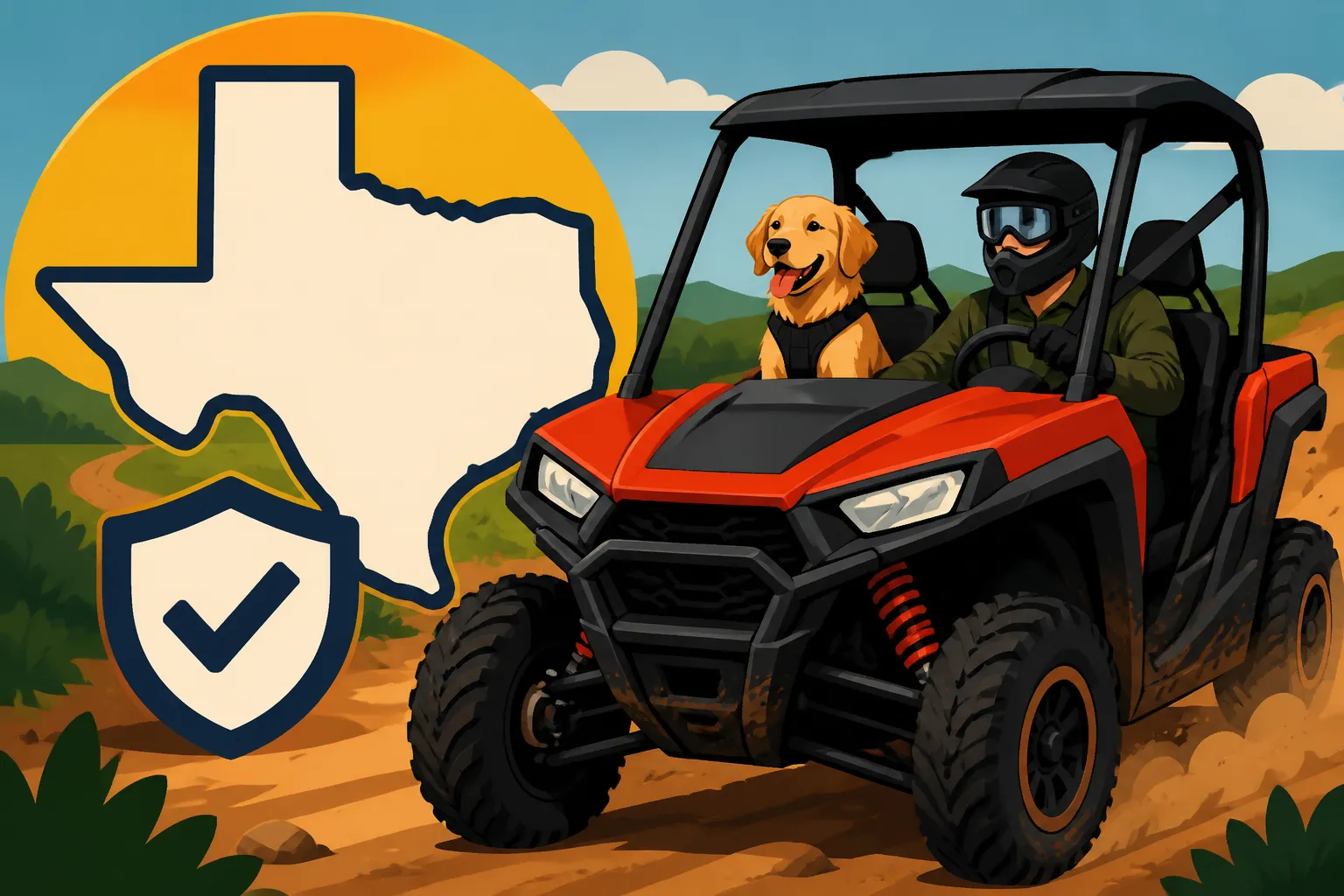
- Harnesses and Seatbelts: For larger dogs in a UTV with a cab, a crash-tested safety harness connected to a UTV seatbelt system is a good solution. These harnesses are designed to distribute force in an impact and keep your dog restrained. Never use a standard neck collar for this purpose, as a sudden stop could cause severe neck injury. A good harness will keep them from wandering into the driver's space, distracting you, or jumping out unexpectedly. Companies like SuperATV offer a variety of UTV accessories, including cargo beds and roll cage attachments that can be adapted to securely mount a dog kennel or carrier.
- Specialized Carriers/Bags: For very small dogs, there are front-mounted or rack-mounted carriers that offer a secure enclosure. These often allow the dog to see out while being fully contained. Again, ensure these are robust and firmly attached to the vehicle, with no chance of becoming dislodged.
No matter which method you choose, test it thoroughly before heading out on a rough trail. Take a few slow laps in a safe area to ensure your dog is comfortable and the restraint system holds firmly. A dog distracted by discomfort or an insecure setup can quickly become a hazard to itself and the rider.
Protecting Your Dog from the Elements and Terrain
The off-road environment is harsh, and dogs are not inherently equipped to handle all its challenges without your help. Their paws, eyes, and bodies are vulnerable.
- Heat: Texas heat can be brutal. Dogs can overheat much faster than humans, especially in an enclosed UTV cab or a crate. Ensure constant airflow, provide plenty of fresh water, and consider cooling vests or mats. Plan rides for cooler parts of the day, like early mornings or late evenings, especially during summer. Avoid black pavement or hot metal surfaces that can burn paws. Always carry extra water – not just for you, but specifically for your dog.
- Dust and Debris: Off-road trails are dusty, and flying debris is common. Dust can irritate a dog's eyes and respiratory system. Consider dog goggles (yes, they exist!) to protect their eyes, especially for breeds prone to eye issues or those with short snouts. A UTV windshield (like those offered by SuperATV) can significantly reduce dust and debris inside the cab, protecting both you and your pet. For ATVs, the exposure is more direct, making eye protection even more crucial.
- Paws: Sharp rocks, thorns, hot surfaces, and rough terrain can easily cut or abrade your dog's paw pads. Dog booties can offer excellent protection, especially for longer rides or rocky trails. Even if your dog isn't thrilled about them at first, their paws will thank you. Check their paws frequently for cuts or abrasions.
- Exhaust Fumes: While typically not a major issue in open-air OHVs, prolonged exposure to exhaust fumes, especially if your dog is riding directly behind the exhaust pipe, can be harmful. Ensure good ventilation and that your dog isn't directly breathing fumes. This consideration is particularly relevant for machines that might not have perfectly maintained [Texas Spark Arrester Requirement] or mufflers.
- Sun Protection: Just like humans, dogs can get sunburned, especially breeds with light-colored fur or short coats. Consider dog-safe sunscreen on sensitive areas or ensure they have shade (a UTV roof provides this, or a covered crate).
Trail Etiquette and Environmental Considerations
Riding with your dog isn't just about safety; it's also about being a responsible trail user. Your actions directly impact other riders, wildlife, and the reputation of all OHV enthusiasts. Maintaining harmony on the trail, especially with a furry friend in tow, is a sign of a truly experienced and respectful rider.
Minimizing Impact and Maintaining Harmony with Other Riders
Nobody wants their ride ruined by an unruly dog or unexpected waste. Good manners go a long way in ensuring everyone has a pleasant experience.
- Leash Laws (Even When Parked): Even if your dog is well-behaved, leash laws exist for a reason. Once you're off the machine, whether at a staging area, a scenic overlook, or a lunch stop, your dog should be on a leash. This prevents them from running up to other riders, potentially startling horses or other animals, or venturing too close to moving vehicles. Respect the rules of the trail or park, even if you feel your dog is an exception.
- Waste Disposal: Just as you pack out what you pack in, you must pack out your dog's waste. Bring plenty of waste bags and be prepared to carry them until you find a designated trash receptacle. Leaving dog waste on the trail is unsanitary, unsightly, and can spread diseases to wildlife or other pets. It's a quick way to get parks to restrict dog access.
- Noise and Behavior: While the roar of an engine might not bother your dog, excessive barking can be a nuisance to other riders trying to enjoy the peace of nature. Ensure your dog is comfortable with the sounds of the OHV and other trail activity before heading out. If your dog is prone to barking at strangers or other animals, consider if off-roading is truly the best activity for them, or if you need to work on training first.
- Respecting Wildlife: Your dog is a predator by nature, and even the most well-behaved dog can be tempted by wildlife. Keep your dog leashed and under control to prevent them from chasing or harassing deer, rabbits, birds, or other creatures. This is especially important in areas with sensitive ecosystems or during crucial breeding seasons. This ties into the general respect for the environment that's crucial for off-roading, similar to how one would approach [Texas Rules for Riding With a Firearm] or navigate trails [Texas Rules for Riding During Deer Season] with an understanding of wildlife presence.
Health and Emergency Preparedness for Your Dog
Even with the best precautions, accidents can happen. Being prepared for a pet emergency on the trail is just as important as having a first-aid kit for yourself. The remote nature of many riding areas means professional veterinary help might be hours away.
Here’s what you should consider:
- Canine First Aid Kit: This isn't just a human kit with a few extra bandages. A dedicated dog first aid kit should include:
- Wound Care: Antiseptic wipes, sterile gauze pads, self-adhesive wrap (like Vetrap), pet-safe wound spray.
- Pain Relief: Consult your vet about appropriate, safe pain medication for dogs that you can administer in an emergency. Never give human pain relievers.
- Tweezers/Tick Remover: For splinters, thorns, or ticks.
- Paw Protection: Extra booties, paw wax.
- Allergy Medication: If your dog has known allergies, carry prescribed antihistamines.
- Emergency Blanket: To prevent shock or keep them warm if injured.
- Muzzle: Even the gentlest dog can bite if they are in pain. A soft muzzle can protect you while you tend to an injury.
- Vet Contact Info: Have your vet's number and the number of the nearest emergency vet clinic saved in your phone.
- Recognizing Distress: Learn the signs of heatstroke, dehydration, or injury in dogs. These can include excessive panting, lethargy, vomiting, bright red gums, or limping. If you notice any of these signs, stop immediately, cool your dog down, offer water, and assess the situation. Sometimes, simply stopping and giving your dog a break in the shade is all that's needed.
- Hydration Plan: Always carry more water than you think you'll need. A collapsible dog bowl is essential. Offer water frequently, especially on warm days or during strenuous rides. You can even find UTV hydration systems that could be adapted for a dog's water supply.
- Emergency Contact Information: Ensure your dog wears identification tags with your current contact information. Microchipping is also a great safeguard. If your dog gets lost, having up-to-date contact info vastly increases the chances of a happy reunion.
Riding off-road with your dog in Texas can be an incredibly rewarding experience, deepening the bond you share. By prioritizing safety, understanding the rules of the land, and practicing good trail etiquette, you can create lasting memories and ensure both you and your canine companion enjoy the adventures Texas trails have to offer.
| Consideration | Public Land (e.g., State Park) | Private OHV Park | Private Ranch (with permission) |
|---|---|---|---|
| Leash Required | Yes, typically 6 ft max | Usually, outside vehicles | Owner's discretion |
| Waste Disposal | Mandatory pack out | Mandatory pack out | Good practice, if not required |
| OHV Restraint | Implicitly required for safety | Highly recommended | Highly recommended |
| Pre-Trip Check | Essential (website/call) | Essential (website/call) | Discuss with landowner |
| Eye/Paw Protection | Highly recommended | Highly recommended | Highly recommended |
| Hydration | Critical | Critical | Critical |
| Wildlife Interaction | Avoid at all costs | Avoid disturbance | Respect landowner's wishes |
| Permit/Fee | May apply to pets | Check park policies | N/A |
| SuperATV Products | Relevant for UTV enclosures, windshields, storage, etc. to enhance safety and comfort | Relevant for UTV enclosures, windshields, storage, etc. to enhance safety and comfort | Relevant for UTV enclosures, windshields, storage, etc. to enhance safety and comfort |
Disclaimer
This article is for general informational purposes only and does not constitute professional advice. Laws, prices and regulations vary by location and change over time. Consult a qualified professional for guidance on your specific situation.