Texas Eye Protection Requirement for Riders
When you hit the trails in Texas on your ATV or UTV, you're not just looking for thrills and open spaces; you're also accepting the inherent risks that come with off-road adventure. One of the most common oversights, and one that can lead to serious injury or a costly ticket, is neglecting proper eye protection. This guide is here to cut through the confusion and lay out exactly what Texas law expects from riders when it comes to keeping your peepers safe, ensuring you can enjoy every dusty, muddy, or sunny ride without worry.
The Core Texas Law on Eye Protection for OHV Riders
It's easy to assume that if you're not on a public road, the rules are looser, but that's not always the case, especially when it comes to safety. Texas takes a clear stance on rider protection, and that includes your eyes. Understanding the letter of the law can save you from a world of hurt and a visit from a peace officer.
What the Law Actually Says (and Doesn't Say)
Texas law, specifically within the Transportation Code that governs off-highway vehicles (OHVs), outlines requirements for safety gear. For riders on an all-terrain vehicle (ATV) or utility vehicle (UTV), the rules around eye protection are quite specific. If you're operating or riding as a passenger on an OHV on public land – and remember, this includes many designated parks and trails – you are generally required to wear eye protection. This isn't some vague suggestion; it's a legal mandate designed to prevent injuries from flying debris, branches, dust, and other hazards common to off-road environments. It’s important to note that the law doesn't specify the type of eye protection, beyond it being "eye protection," leaving some room for personal preference but no room for omission. However, it implicitly means something robust enough to offer genuine protection, not just your everyday sunglasses. You won't find specific brand names or material requirements, but the intent is unequivocally about safety.
The law is focused on public operation. This distinction is crucial. If you're riding exclusively on your own private land, your ranch, or a friend's property with explicit permission, the state's mandate for eye protection doesn't strictly apply in the same way. However, even in these private settings, common sense and personal safety should always dictate that you wear appropriate gear. The hazards don't disappear just because you're off public land. Many riders overlook this nuance, thinking they're immune to rules once they leave pavement, but Texas has carved out clear stipulations for off-highway vehicles, ensuring a baseline of safety for everyone enjoying public riding areas.
Why Eye Protection Matters Beyond the Law
While avoiding a Class C Misdemeanor and a fine is certainly a motivator, the practical reasons for wearing eye protection far outweigh legal compliance. Think about the environment you're riding in: dirt, sand, mud, gravel, low-hanging branches, insects, and even rocks can be kicked up by your own tires or those of riders ahead of you. A small pebble hitting your eye at speed can cause immediate pain, temporary blindness, and potentially permanent damage. Even less dramatic impacts, like dust entering your eyes, can cause irritation, discomfort, and impair your vision, leading to a loss of control and a much more serious accident.
Beyond physical impacts, consider the elements. Texas sun can be relentless, and prolonged exposure to UV rays can contribute to cataracts and other eye conditions over time. Wind can dry out your eyes, causing irritation and making it difficult to focus. Bugs, especially at higher speeds or during certain seasons, can be a constant nuisance and a direct threat to clear vision. Properly fitted eye protection acts as a barrier against all these common riding hazards. It ensures continuous clear vision, reduces eye fatigue, and allows you to focus on the trail ahead, reacting swiftly to changes in terrain or unexpected obstacles. It's not just about avoiding a ticket; it's about preserving your eyesight and enjoying a safer, more comfortable ride every single time.
When and Where Texas Requires Eye Protection
Understanding where the eye protection rule applies is just as important as knowing what the rule says. Texas has vast expanses of land, both public and private, and the requirements shift depending on your location and activity.
Public Lands and Designated Trails
If you're planning a trip to one of Texas's incredible OHV parks, like Barnwell Mountain Recreation Area or Hidden Falls Adventure Park at Marble Falls, or venturing onto the trails within the Sam Houston National Forest, then the eye protection requirement is firmly in effect. These are considered "public lands" for the purpose of OHV operation, even if they're managed by a non-profit or state park agency. Park rules often mirror or exceed state requirements, and staff or rangers will expect to see you and your passengers wearing appropriate gear. You might even find signage at the entrance reminding riders of safety equipment mandates, including eye protection.
For example, when you're navigating the challenging rock gardens or winding trails at a place like Northwest OHV Park, the chances of kicked-up debris are extremely high. Without eye protection, even a momentary distraction from an airborne speck of dirt could lead to a serious tumble. These designated riding areas are fantastic resources for off-road enthusiasts, but access comes with the responsibility of adhering to safety regulations. Always check the specific rules of any park or public land you intend to visit, as some may have additional requirements beyond the state minimum. Compliance isn't just about avoiding a fine; it's about being a responsible rider and contributing to a safer environment for everyone enjoying the trails.
Exceptions and Nuances
While the general rule is clear for public land, there are a few situations that create nuances or exceptions. For instance, if you are operating an OHV primarily for agricultural purposes on a farm or ranch, even if you briefly cross a public road under the [Texas Agricultural Exemption for ATVs on Roads] rules, the context shifts. While agricultural use might exempt you from certain other OHV rules, the general principle of eye safety remains paramount, though the specific enforcement context might differ.
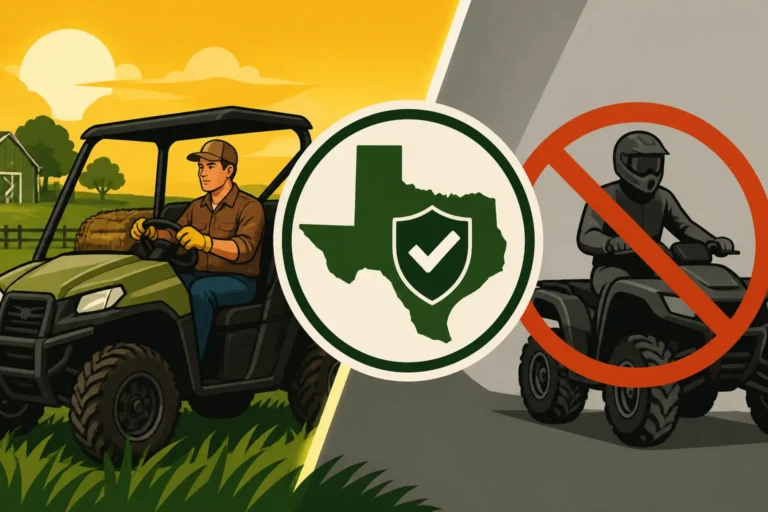
Another important consideration is the type of machine you're riding. Many UTVs, or side-by-sides, are now equipped with full windshields, roofs, and even enclosed cabs. In these cases, a substantial windshield typically provides the necessary eye protection, negating the need for separate goggles or glasses for the driver and front passengers, as long as the windshield meets appropriate safety standards and is in good condition. However, if your UTV has a half-windshield, no windshield, or if passengers are in an open rear seat, then individual eye protection would certainly be required. It’s always best to err on the side of caution. Similarly, if you're making a quick, legal crossing of a highway at a 90-degree angle, as permitted under certain conditions, while the emphasis might be on quick movement, the underlying safety principles still apply. These aren't exceptions to common sense safety, but rather specific contexts where the application of the rule might look slightly different based on the vehicle's features or the specific, limited nature of the public road interaction. For true off-road adventures, however, individual eye protection is almost always the safest bet.
Choosing the Right Eye Protection for Texas Riding
Navigating the options for eye protection can feel a bit overwhelming, but selecting the right gear is crucial for both safety and comfort on the trail. It's not a one-size-fits-all solution, and what works best for you might depend on your machine, riding style, and even the weather.
Goggles vs. Glasses
When it comes to dedicated eye protection for off-road riding, the choice often boils down to goggles or specialized riding glasses. Each has its advantages.
Riding Goggles:
- Pros: Goggles offer superior protection due to their full seal around the eyes, preventing dust, dirt, and debris from sneaking in. They typically have better ventilation to reduce fogging, especially models designed with anti-fog coatings or dual-pane lenses. Their strap ensures they stay securely in place, even during aggressive riding or unexpected impacts. Many are designed to fit seamlessly with motocross helmets, providing an integrated safety system. For riders who tackle challenging terrain, mud, or dusty conditions, goggles are often the preferred choice. Brands like SuperATV offer a range of goggles designed for the rigors of off-road use, focusing on durable lenses and comfortable fit that integrates well with various helmet styles.
- Cons: They can feel bulkier and may not be as comfortable for some riders, especially those who wear prescription glasses underneath (though "over-the-glasses" or OTG goggles are available). In very hot, humid conditions, some riders might find them less breathable than glasses, despite ventilation features.
Specialized Riding Glasses:
- Pros: These are often lighter and more breathable than goggles, making them a comfortable option for casual rides or hotter weather. Good quality riding glasses offer impact resistance and UV protection. They are also more versatile and can be worn off the machine. Some riders prefer their lower profile and less restrictive feel.
- Cons: Unlike goggles, glasses do not provide a complete seal around the eyes, meaning dust, wind, and small debris can still get in around the edges. This makes them less ideal for very dusty, muddy, or high-speed riding conditions where maximum protection is needed. While impact-resistant, they may not offer the same level of projectile protection as a full goggle.
Ultimately, your choice should align with the conditions you typically ride in and your comfort. If you're hitting the [Best Places to Ride an ATV in Texas] like the deep woods of East Texas or the rocky terrain of the Hill Country, goggles often provide that extra layer of confidence. For lighter trail riding or UTV use with a windshield, high-quality riding glasses might suffice.
Helmets with Visors and Windshields
Many riders, especially those on UTVs, might rely on a helmet with an integrated visor or the machine's windshield for eye protection. While these can certainly contribute to safety, it's important to understand their limitations and when additional protection is still necessary.
Helmets with Visors:
- Full-face helmets often come with clear or tinted visors that can serve as primary eye protection. These are fantastic because they integrate seamlessly with the helmet and offer broad coverage. They protect against wind, dust, and projectiles from the front. However, visors can fog up in certain conditions, and if scratched or damaged, they can impair vision. It's also worth noting that visors don't provide a tight seal around the eyes, meaning dust can still swirl up from underneath or from the sides, especially if the visor is open a crack for ventilation. Some riders opt for an open-face helmet combined with goggles for better airflow and a full eye seal.
UTVs with Windshields:
- For UTV drivers and passengers, a full windshield is often considered sufficient eye protection, much like in a car. This is generally true, provided the windshield is made of safety glass or impact-resistant polycarbonate (like those found in SuperATV's comprehensive lineup of UTV accessories) and is kept clean and in good repair. A damaged, cracked, or excessively scratched windshield can actually become a hazard, obscuring your view. If your UTV has only a half-windshield or if it's completely open, then you and your passengers will absolutely need individual eye protection. Even with a full windshield, some riders still prefer wearing glasses or goggles to prevent dust accumulation on their eyes, especially during long, dusty rides or when riding in convoy where dust clouds are common. Always assess the level of protection your machine's setup provides and supplement with personal eye protection if there's any doubt about full coverage.
Consequences of Riding Without Proper Eye Protection
While the thrill of the ride might make you forget about mundane things like protective gear, ignoring the Texas eye protection requirement carries tangible risks, from legal trouble to severe personal injury. It's a gamble that's simply not worth taking.
Legal Repercussions
In Texas, failing to adhere to the mandated safety equipment rules for OHVs on public land can lead to legal penalties. Typically, this falls under the umbrella of a Class C Misdemeanor. While not a felony, a Class C Misdemeanor can still result in a significant fine. Think about it: a seemingly minor oversight could set you back hundreds of dollars, money that could have been spent on better gear, more fuel for adventures, or even a weekend trip to an OHV park. This isn't just a slap on the wrist; it's a financial hit that can quickly sour an otherwise fun day out.
Furthermore, getting ticketed can involve more than just a fine. It can lead to delays on your trip, having to deal with law enforcement, and potentially even being asked to leave the riding area if you cannot immediately rectify the safety violation. Imagine driving hours to a destination like [Barnwell Mountain Recreation Area] only to be turned away at the gate or cited on the trail because you forgot a simple pair of goggles. It’s an entirely avoidable headache. The authorities aren't there to ruin your fun, but to enforce laws designed to keep everyone safe. Being prepared with all the necessary gear, including your eye protection, is a simple way to ensure your adventure stays on the right side of the law.
Health and Safety Risks
Beyond the legal penalties, the health and safety risks associated with riding without proper eye protection are far more concerning. Your eyes are incredibly vulnerable, and off-road riding exposes them to a constant barrage of potential hazards. A direct impact from a flying rock, a low-hanging branch, or even a large insect can cause immediate, excruciating pain and lead to severe injuries such. These can range from corneal abrasions (scratches on the surface of your eye) to more serious issues like retinal detachment or even complete vision loss in the affected eye.
The risks aren't just limited to direct impacts. Constant exposure to dust and dirt can lead to chronic eye irritation, infections, and allergic reactions. Prolonged exposure to harmful UV rays from the Texas sun, especially when riding for hours in open environments, contributes to long-term vision problems such as cataracts and macular degeneration. Even wind can cause significant discomfort, drying out your eyes and making it difficult to maintain focus and clear vision, which is absolutely critical for navigating trails safely. Wearing appropriate eye protection, whether it's high-quality riding goggles or a full-face helmet with a clear visor, is a non-negotiable step in safeguarding your vision and ensuring you can continue to enjoy your passion for off-road riding for years to come.
Here's a quick comparison of popular eye protection options:
| Feature | Riding Goggles | Specialized Riding Glasses | Helmet Visor (Full-Face) | UTV Windshield (Full) |
|---|---|---|---|---|
| Protection Type | Full seal, debris, dust, wind, UV | Partial seal, impact, UV | Frontal, wind, limited dust | Full enclosure, wind, debris |
| Comfort | Secure, can be bulky, OTG options | Lightweight, breathable | Integrated, can fog, less airflow | Car-like, high comfort |
| Visibility | Wide field of view, anti-fog options | Clear, lower profile | Good frontal, can scratch/fog | Excellent, if clean |
| Versatility | Off-road specific, helmet integration | Dual-use (riding & casual) | Helmet dependent | Vehicle dependent |
| Texas Legal | Yes (on public land) | Yes (on public land) | Yes (on public land) | Yes (if sufficient on public land) |
| Ideal For | Dusty, muddy, aggressive, high-speed | Casual, hot weather, less extreme | All-around, integrated protection | UTV occupants, less exposure |
When planning your next adventure, whether it's exploring the designated OHV trails or simply crossing a [Texas Road at an Intersection], remember that prioritizing your eyesight is paramount. It’s not just about ticking a box for legal compliance, it’s about ensuring you can safely navigate the beautiful, challenging landscapes Texas has to offer and avoid serious injury. Keep your eyes covered, stay safe, and enjoy the ride!
Disclaimer
This article is for general informational purposes only and does not constitute professional advice. Laws, prices and regulations vary by location and change over time. Consult a qualified professional for guidance on your specific situation.