Claiming the Ag Exemption on a Ranch Quad
Dealing with the sales tax on a new or used ATV or UTV in Texas can feel like a real kick in the teeth, especially when you're just trying to get a machine for honest-to-goodness ranch work. It's a significant expense that many folks don't realize they might be able to avoid entirely. This guide is all about cutting through that confusion, helping you understand how to properly claim the agricultural (Ag) exemption for your ranch quad and save some hard-earned money.
Understanding the Texas Agricultural Exemption for OHVs
Let's be real, owning and operating a ranch in Texas is a lot of work, and your ATV or UTV is often an indispensable tool. Thankfully, the state recognizes this with an agricultural exemption that can save you from paying sales or use tax on your off-highway vehicle (OHV) purchase. But it's not as simple as just saying, "I have a ranch!" There are specific rules and steps you need to follow to make sure you're properly claiming this valuable exemption.
What Qualifies as "Agricultural Use" in Texas?
The good news is that Texas has a fairly broad definition of what counts as "agricultural use" for tax exemption purposes. It generally boils down to using your ATV or UTV directly in the production of food, fiber, or other agricultural products for sale or for personal consumption by the producer. This includes things like the cultivation of land, raising or keeping livestock, growing crops, or timber operations.
Think about what you do day-to-day on your ranch. Are you using your quad to check fences across vast pastures, herd cattle from one section to another, or transport tools and materials for repairing irrigation systems? Maybe you're spraying weeds along a fence line, hauling feed to livestock, or even using it in a timber-harvesting operation. All of these activities typically fall under the umbrella of agricultural use. The key here is that the machine is being used as a functional tool in your agricultural enterprise, not primarily for leisure or recreational riding. While you might take a quick spin around the property for fun after a long day of work, the primary purpose of that machine, the reason you bought it, must be for legitimate agricultural work. It's about ensuring your vehicle directly supports your livelihood or the production on your land.
The Difference Between Sales Tax and Use Tax for Exemptions
When we talk about tax exemptions, it's important to differentiate between sales tax and use tax, because how you claim the exemption can depend on where and how you buy your ATV or UTV.
Sales tax is what you typically pay when you buy something from a retail store or a dealership. The seller collects this tax from you at the point of sale and then remits it to the state. If you're buying your ranch quad from a Texas dealer, they would normally charge you the state's 6.25 percent sales tax, plus any applicable local sales taxes.
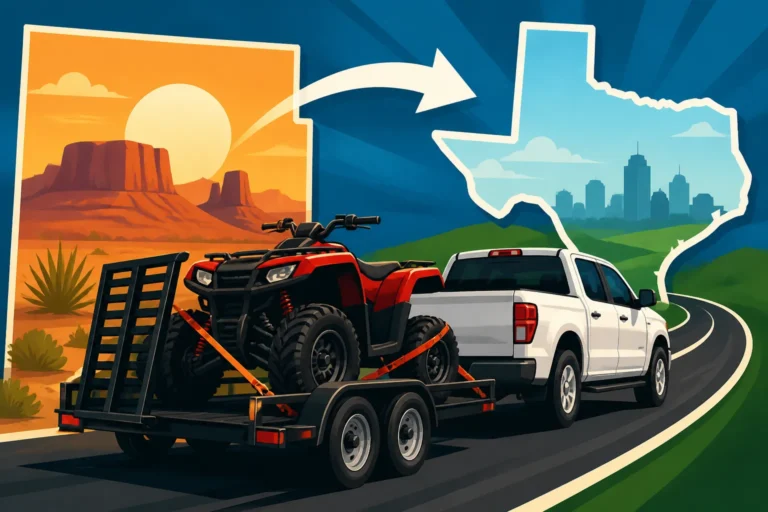
Use tax, on the other hand, comes into play when you purchase an item without paying sales tax. This usually happens in a couple of common scenarios: buying an OHV from a private seller, or purchasing one from an out-of-state dealer who doesn't collect Texas sales tax. In these situations, the responsibility falls on you, the buyer, to remit the use tax directly to the Texas Comptroller of Public Accounts. The good news is that the agricultural exemption applies equally to both sales tax and use tax. So, whether you're buying from a dealer or a private party, or even bringing a machine in from across the state line, if its primary use is agricultural, you should be able to claim that exemption. Understanding this distinction is crucial because it dictates who you'll be interacting with to process your exemption paperwork.
The Essential Paperwork: Form 130-U and the Ag/Timber Number
Navigating the paperwork for a tax exemption can feel like trying to find a needle in a haystack, but for the agricultural exemption on your ATV, it really boils down to two critical pieces: Form 130-U and your Texas Agricultural and Timber Registration Number. Get these right, and you're well on your way.
Why Form 130-U Is Crucial for Your Exemption
Form 130-U, officially known as the "Application for Texas Title and/or Registration," is your go-to document for almost anything involving titling an off-highway vehicle in Texas. It's what you file with your local county tax assessor-collector's office to get the title for your ATV or UTV. And it's also where you'll make your claim for the agricultural exemption.
On Form 130-U, there's a specific section dedicated to sales and use tax information. This is where you'll indicate that you are exempt from paying tax due to agricultural use. You'll need to clearly mark the appropriate box that indicates an exemption and, most importantly, provide your Texas Agricultural and Timber Registration Number (which we'll discuss in a moment). Skipping this step or filling it out incorrectly can lead to the county clerk either charging you the tax anyway or, worse, rejecting your application entirely. They are really particular about making sure all the T's are crossed and I's dotted when it comes to tax exemptions, so it pays to be meticulous. If you're wondering how to properly fill out this form, you can find a comprehensive guide on [Filling Out Texas Form 130-U for an OHV]. Remember, this form isn't just a formality; it's the legal document that tells the state why you shouldn't be charged sales or use tax on your OHV.
Your Texas Agricultural and Timber Registration Number
This is perhaps the single most important piece of the puzzle when claiming your ag exemption. You can't just declare you're using your ATV for agricultural purposes and expect to be exempt. The state requires you to have an official Texas Agricultural and Timber Registration Number, often just called an Ag/Timber Number. This unique number is issued by the Texas Comptroller of Public Accounts and acts as your official identification for tax-exempt purchases related to agriculture or timber production.
Think of it like this: without this number, the dealer or the county tax office has no way to verify your claim. It’s their official green light to let you bypass the sales or use tax. Obtaining one is a relatively straightforward process, usually done online through the Comptroller's website, but you can also apply by mail. You'll need to provide information about your agricultural or timber operation to qualify. It's vital to have this number in hand before you even try to claim the exemption, whether at a dealership or at the county office. If you show up without it, or if it's expired, you'll almost certainly be charged the tax. This number is what validates your agricultural enterprise in the eyes of the state, making your exemption legitimate. For more details on this, take a look at [Ag and Timber Exemptions on Form 130-U].
Navigating the Titling Process with Your Exemption
Once you have your Ag/Timber Number and a good understanding of Form 130-U, the next step is to actually put it all into practice when you buy your ATV or UTV. The process will vary slightly depending on whether you're buying from a dealer or a private seller, but the core principle of claiming your exemption remains the same.
Buying from a Texas Dealer with an Ag Exemption
If you're purchasing your ranch quad from a licensed Texas dealer, the process for claiming your ag exemption is usually the smoothest. Here's how it generally works:
First, when you're making your purchase, make sure to inform the dealer that you intend to claim an agricultural exemption. They deal with these exemptions regularly, so they should be familiar with the procedure. You'll then provide them with your valid Texas Agricultural and Timber Registration Number. The dealer will record this number on their sales invoice and on the Form 130-U that they prepare for your title application. Because you've provided the valid exemption number, the dealer will not charge you state or local sales tax on the purchase price of the OHV.
The dealer will typically handle the submission of Form 130-U and all supporting documents to the county tax assessor-collector's office on your behalf, which is a real convenience. Before you leave the dealership, always double-check your invoice and any copies of the Form 130-U they provide to ensure your Ag/Timber Number is correctly noted and that no sales tax has been charged. It's always a good idea to keep copies of all your purchase paperwork for your records. This way, the process from sale to title, minus the tax, flows pretty smoothly.
Private Sale or Out-of-State Purchase and Use Tax Exemption
Things are a little different when you buy from a private seller here in Texas, or if you bring an ATV or UTV home from an out-of-state dealership or auction. In these cases, you, the buyer, are responsible for remitting the use tax (or claiming the exemption) directly to the state via your county tax office.
Here's a step-by-step breakdown:
-
Gather Your Documents: You'll need your filled-out Form 130-U, your valid Texas Agricultural and Timber Registration Number, and a detailed [A Texas Bill of Sale for an ATV] if it was a private sale. For out-of-state purchases, bring the dealer invoice or auction documents. A clear bill of sale is incredibly important; it protects both you and the seller. If you need a solid template, resources like LawDepot offer customizable bill of sale forms that can ensure you have all the necessary details covered.
-
Complete Form 130-U: On Form 130-U, make sure you correctly mark the box indicating you're claiming the agricultural exemption and write in your Ag/Timber Number. This is where you declare to the state that you're exempt from the use tax.
-
Visit Your County Tax Office: You'll need to physically go to your local county tax assessor-collector's office to apply for the title. This is where they'll review your paperwork, including Form 130-U. You can learn more about this process by checking out [Titling at a Texas County Tax Office].
-
Be Prepared for Questions: The clerks at the county office are responsible for ensuring all taxes are collected or validly exempted. They might ask to see your Ag/Timber card or verify its validity. If anything on your Form 130-U isn't clear, they might reject the application until it's corrected. This can be frustrating, but it's part of their job. Knowing [What a County Clerk Rejects on a Title Application] can help you prepare.
By taking these steps, you're directly informing the state of your exempt status and avoiding the use tax that would otherwise be due.
Keeping Records and What Happens If You Misuse the Exemption
Once you've successfully claimed your agricultural exemption, your responsibility doesn't end there. It's absolutely critical to keep thorough records of your purchase and, perhaps more importantly, documentation that supports the ongoing agricultural use of your ATV or UTV. This includes copies of your sales invoice or bill of sale, the completed Form 130-U, and certainly a copy of your current Texas Agricultural and Timber Registration Number.
Why is this so important? Because the state, through the Comptroller's office, can conduct audits. If they determine that you claimed an exemption fraudulently—meaning the machine was never actually intended for or primarily used in agriculture—you could face some pretty serious consequences. This isn't just a slap on the wrist. You could be on the hook for all the back taxes you should have paid, plus penalties and interest. No one wants that kind of headache! So, only claim the exemption if your OHV truly is for legitimate agricultural operations, and keep your records organized. This due diligence ensures that your tax savings are truly earned and defensible if questions ever arise.
Common Questions and Misconceptions About the Ag Exemption
The agricultural exemption often raises a lot of questions, especially since the line between legitimate farm work and hobby farming can sometimes feel a bit blurry. Let's tackle some of the most common points of confusion to make sure you're clear on the rules.
Can a "Hobby Ranch" Qualify for the Exemption?
This is a really common question, and the answer isn't a simple yes or no. The Texas Comptroller's office focuses on whether an operation is actually engaged in agricultural production with the intent to make a profit or for significant personal consumption of the products. It's not about the size of your land or whether agriculture is your sole source of income.
If your "hobby ranch" produces goods (like hay, cattle, eggs, timber, etc.) that you sell, even if it's just occasionally, or if you consume a substantial portion of what you produce, you might qualify. However, if your "ranch" is primarily a place for recreational riding, family gatherings, or maintaining a few animals strictly for personal enjoyment without any real production intent, then it would likely not qualify for the agricultural exemption. The Comptroller looks at factors like whether you have appropriate equipment, whether you advertise products, maintain records of income and expenses, and if you manage the property with the goal of agricultural output. So, while a small operation can certainly qualify, it needs to demonstrate a genuine commitment to agricultural production, not just a casual interest.
What If My ATV Has Mixed Use (Ranch Work and Recreation)?
Many ranch owners use their ATVs or UTVs for both legitimate agricultural tasks and, let's be honest, a little bit of fun on the side. The key word here is "primarily." The agricultural exemption applies when the primary use of the off-highway vehicle is for agricultural purposes.
The state understands that you might occasionally use your quad to cruise around the property for leisure after the day's work is done, or to take a scenic ride. However, if the majority of the machine's hours and intended purpose are for checking fences, moving livestock, hauling feed, or similar work, then it's generally considered to qualify for the exemption. If, on the other hand, you bought an ATV mainly for trail riding with friends on weekends, and only occasionally use it to grab the mail, then it would be tough to argue that its primary use is agricultural. It's always best to be truthful about the machine's main function, as trying to stretch the definition too far could lead to problems down the road if your exemption is ever audited.
Other Exemptions That Might Apply to Your Ranch ATV
While the agricultural exemption is the big one for ranch owners, it's good to know there are a few other, less common exemptions for OHVs, though they might not apply to your specific situation. For example, certain governmental units or qualified non-profit organizations might also be exempt from sales and use tax on their OHV purchases if used for their official purposes. These are pretty specific, so always check with the Comptroller's office if you think another exemption might apply.
It's also worth noting that the tax exemption is completely separate from the [The Texas Off-Highway Vehicle License Plate]. Even if your ATV is used exclusively on your ranch and is tax-exempt, you might still want to get an OHV plate if you ever plan to operate it on certain public lands or cross a road. But one doesn't dictate the other. And remember, even an OHV that lives its entire life within the fence line of your property still needs a Texas title, regardless of its tax status. It's a common misconception that if a machine never leaves the pasture, it doesn't need to be titled, but that's simply not the case. [Why Even a Pasture Machine Gets Titled] explains this in more detail. The title is proof of ownership, and it's a critical document if you ever decide to sell the machine. While the [Texas ATV Title Cost] will still apply, at least you can save on the sales tax! Finally, understanding [What Texas Counts as an Off-Highway Vehicle] is essential, as the definitions can sometimes surprise folks.
Here’s a quick summary of the steps involved in claiming your Ag exemption:
| Scenario | Key Action | Required Documentation | Where to Submit |
|---|---|---|---|
| Buying from Texas Dealer | Provide Ag/Timber Number | Ag/Timber Number, Form 130-U (dealer handles) | Dealer |
| Private Sale (TX or OOS) | Complete Form 130-U, claim exemption | Ag/Timber Number, Form 130-U, Bill of Sale | County Tax Assessor-Collector |
| Out-of-State Dealer Purchase | Complete Form 130-U, claim exemption | Ag/Timber Number, Form 130-U, Dealer Invoice | County Tax Assessor-Collector |
Navigating the world of Texas OHV titling and exemptions can feel like a maze, but hopefully, this guide has shed some light on claiming the agricultural exemption for your ranch quad. Armed with your Ag/Timber Number and a correctly filled-out Form 130-U, you can confidently make your purchase without the added burden of sales or use tax. For a broader overview of all the documents you might need, check out the [Texas ATV Title Paperwork Checklist]. Happy ranching!
Disclaimer
This article is for general informational purposes only and does not constitute professional advice. Laws, prices and regulations vary by location and change over time. Consult a qualified professional for guidance on your specific situation.