Titling an Inherited Machine in Texas
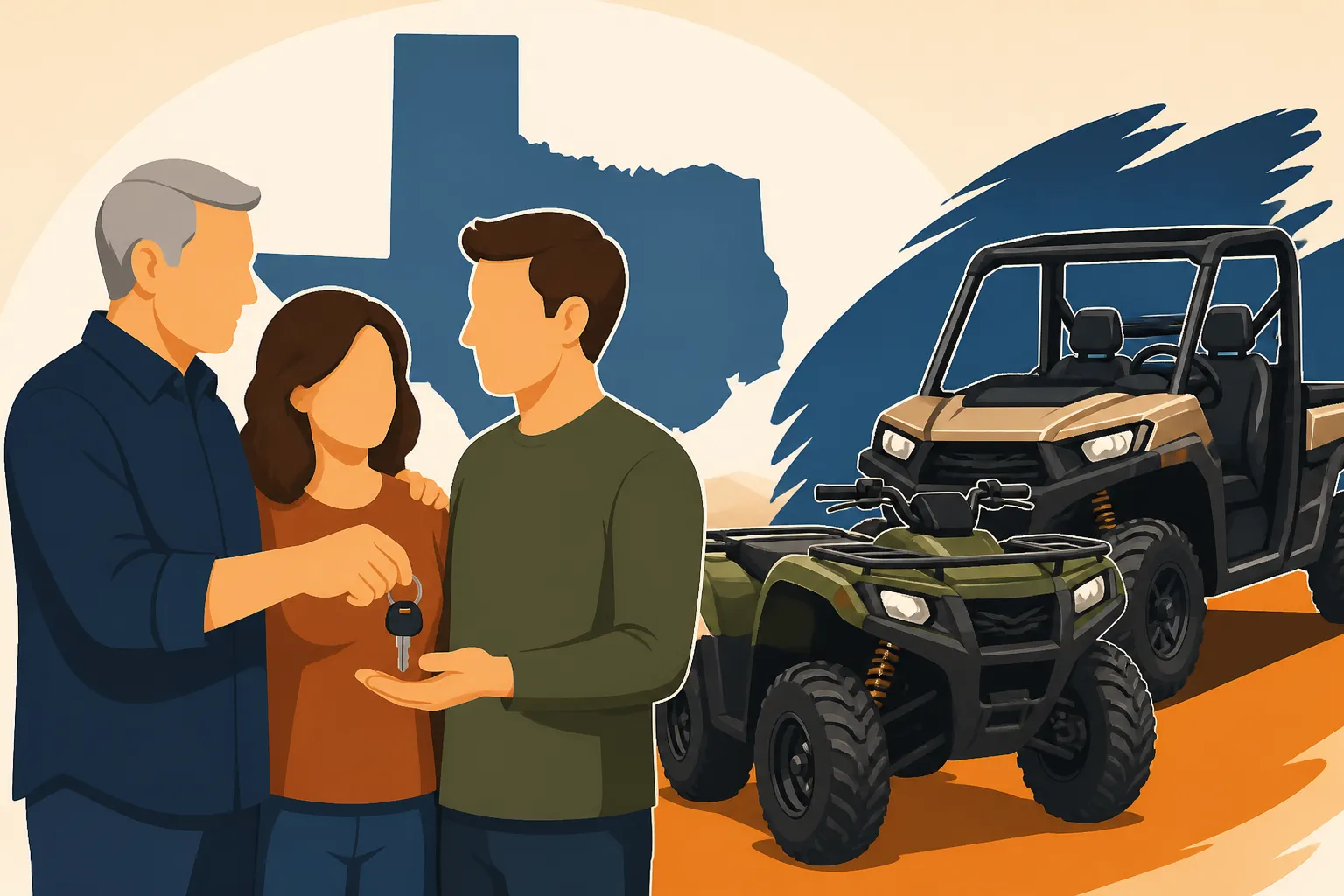
Inheriting an off-highway vehicle (OHV) like an ATV or UTV can bring a swirl of emotions. There’s the bittersweet memory of the person you lost, combined with the practical — and sometimes overwhelming — task of handling their estate, including figuring out how to legally transfer ownership of their beloved machine. This guide aims to clear the confusion and walk you through the specific steps for Titling an Inherited Machine in Texas, helping you navigate the Texas Department of Motor Vehicles' requirements with a bit more ease.
Understanding the Texas Titling Basics for OHVs
Before we dive into the specifics of inherited machines, it’s helpful to understand how Texas handles ATV and UTV titles in general. Many folks assume that because these aren't "street legal" vehicles, they might not need a title, but that's a common misconception.
Why Texas Titles OHVs, Even Inherited Ones
Texas operates under a robust titling system for off-highway vehicles, which includes ATVs, UTVs, and even some sand rails. While you might wonder why the state would bother titling something that can't be registered for road use, the truth is that a title is primarily about establishing legal ownership. It's the official document that says, "This machine belongs to this person (or people)." This is incredibly important for many reasons beyond just driving it on public roads.
Think about it: if there's ever a dispute over who owns the machine, if it's stolen, or if you decide to sell it down the line, that title is your bedrock proof. Without it, you'd be in a really tough spot trying to prove your ownership rights. This also protects buyers down the road, ensuring they get clear title. This process is distinct from registration, as Texas does not register OHVs for general road use, which is a point of frequent confusion for many riders. You can read more about [Why Texas Titles But Never Registers an OHV].
The "Off-Highway Use Only" Distinction
When you eventually receive your inherited OHV title, you'll notice a significant marking on it: "Off-Highway Use Only." This isn't just a quirky phrase; it's a critical legal designation that clarifies the machine's intended purpose and limitations within the state. It's Texas's way of emphatically stating that this particular vehicle is not designed or authorized for general public road travel.
This remark carries legal weight and serves as a constant reminder to owners about where they can and cannot legally operate their ATV or UTV. It directly impacts whether you can ever register it for street use, which, for most OHVs, is simply not an option in Texas. Understanding [The Off-Highway Use Only Remark on a Texas Title] is crucial for any owner, especially if you're new to the world of Texas OHVs. This distinction streamlines enforcement and helps prevent misuse, keeping off-road machines where they belong – off the pavement.
Navigating the Probate Process for OHV Titles
Inheriting anything often brings you face-to-face with the legal process known as probate. This can feel daunting, but it's the formal way to prove a will is valid (if one exists) and to legally transfer the deceased person's property, including their ATV or UTV, to the rightful heirs.
When Probate is Required for an ATV/UTV
Whether probate is required to transfer the title of an inherited ATV or UTV in Texas depends on several factors, primarily the value of the entire estate and whether the deceased had a valid will. If the person passed away with a will, the will typically names an executor responsible for carrying out its terms, which includes distributing assets like an OHV. In such cases, the executor will often need to go through a formal probate process to obtain "Letters Testamentary" from a court. These letters are the legal document that empowers the executor to act on behalf of the estate, allowing them to sign over the title to you, the heir, at the county tax office.
If there was no will, or if the will is found to be invalid, the estate is considered "intestate," and the state's laws of heirship will determine who inherits the property. This scenario also generally requires probate, albeit a different form, to formally identify the legal heirs and allow an administrator to be appointed. Without a proper legal decree or court order, the Texas Department of Motor Vehicles (TxDMV) won't have the legal authority to recognize you as the new owner and transfer the title into your name. It can feel like a lot of red tape, but it's there to protect everyone's interests.
Handling Small Estates and Affidavits of Heirship
Not every estate needs to go through a full-blown, lengthy probate process. Texas law provides for simplified procedures for "small estates," which can be a huge relief if the deceased's assets, excluding their homestead and exempt property, are below a certain value threshold. In these situations, you might be able to use a Small Estate Affidavit (SEA) to transfer property, including an OHV title. This affidavit is a sworn statement filed with the court, attesting to the heirs and the assets of the estate, avoiding the need for a full probate administration.
Another useful tool, especially when there's no will, is an Affidavit of Heirship. This document is typically used when there's no need for formal administration of the estate, but a formal declaration of heirs is needed to transfer title to property. It's signed by two disinterested witnesses who knew the deceased and their family history but are not heirs themselves. While not a court-ordered document on its own, when properly prepared and filed, it can often satisfy the county tax office's requirements for transferring an inherited OHV title, particularly when the value of the machine isn't exceptionally high and the other estate assets also fall under certain limits. You can find templates and guidance for such documents through legal resource providers like LawDepot, which can help ensure you’re using the correct format and including all necessary information to make your case to the county. Using these streamlined processes can save significant time and legal fees, a definite plus during an already challenging time.
Required Documents for an Inherited OHV Title Transfer
Once you've navigated the probate process (or determined you can bypass it with an affidavit), you'll need a specific set of documents to officially transfer the OHV title into your name. Gathering these beforehand will make your visit to the county tax office much smoother.
The Texas Title Application Form 130-U
The cornerstone of any vehicle title transfer in Texas, including an inherited OHV, is the Texas Application for Title and/or Registration, commonly known as Form 130-U. This form is absolutely essential, and you’ll need to fill it out completely and accurately, ensuring all relevant sections pertain to your situation as an heir. It asks for information about the vehicle, the previous owner (the deceased), and, most importantly, you as the new owner. You'll need to specify that this is a "transfer" of ownership and indicate the reason for transfer as "inheritance."
Accuracy is paramount when completing this form. Any errors or omissions can lead to delays or even rejection of your application by the county clerk. Make sure all names, addresses, and vehicle identification numbers (VINs) match the supporting documents exactly. This form is where you formally request the state to issue a new title in your name. You can often find a blank copy of the form online or pick one up at your local county tax office. Filling out [Filling Out Texas Form 130-U for an OHV] correctly is key to a successful transfer.
Proof of Inheritance: Letters Testamentary or Affidavit
This is where the work you did (or didn't have to do) in the probate phase really pays off. The county tax office needs indisputable legal proof that you are the rightful heir entitled to the OHV.
- If there was a will and probate occurred: You will need to provide a certified copy of the "Letters Testamentary" issued by the probate court. These letters officially appoint the executor and empower them to distribute assets according to the will. If you are the executor, you will sign the title over to yourself (or another heir) based on the will's instructions.
- If there was no will and probate occurred: You'll need a certified copy of the "Letters of Administration" or an "Order Determining Heirship" from the probate court. These documents legally identify who the heirs are and authorize the administrator to act on behalf of the estate.
- For Small Estates or with an Affidavit of Heirship: If you used a Small Estate Affidavit or an Affidavit of Heirship to bypass formal probate, you'll need the original, signed, and usually filed document. As mentioned earlier, tools from legal document providers like LawDepot can be incredibly helpful in ensuring these affidavits are drafted correctly and meet Texas legal standards. These affidavits, along with the original title (if available) and the completed Form 130-U, will be the core of your application.
No matter which path you take, the goal is to clearly demonstrate to the county clerk that you have the legal right to take ownership of the deceased's OHV. Without this proper documentation, they simply cannot proceed with the title transfer, as they need to ensure the legal chain of ownership remains unbroken and legitimate.
Dealing with Missing or Lost Original Titles
It's a common scenario: you've inherited an ATV or UTV, but the original physical title document is nowhere to be found. Perhaps it was misplaced, destroyed, or never properly kept track of by the deceased. This can add a layer of frustration to an already complex process, but it's not an insurmountable obstacle. Texas law has provisions for this situation, though it may require an extra step or two.
If the original title is lost, you'll generally need to apply for a duplicate title. This application can sometimes be combined with the transfer process, or you might need to apply for a duplicate in the deceased's name first (if you have the legal authority as an executor or administrator) and then transfer it. Often, you'll complete an affidavit stating the title is lost, stolen, or destroyed, along with your application for a new title. The county clerk will guide you on the specific affidavit required. This is another area where the detailed forms and guidance offered by platforms like LawDepot can be invaluable for drafting necessary sworn statements. Be prepared for potentially longer processing times and possibly additional fees when a duplicate title is involved. Remember, the county office's main goal is to prevent fraud, so they'll be thorough when an original document is missing. Understanding the [Cost of a Duplicate Texas Title] can help you budget for this possibility.
Special Scenarios and Challenges in Inherited Titling
Inheritance isn't always a straightforward process, and transferring an OHV title can present unique challenges depending on the circumstances of the deceased's estate. Being prepared for these special scenarios can save you a lot of headaches.
Machines with Existing Liens or Loans
One of the more complex situations you might encounter is inheriting an ATV or UTV that still has an outstanding lien or loan against it. This means the deceased hadn't fully paid off the machine, and a lender (like a bank or credit union) holds a legal claim on the title until the debt is satisfied. Texas titles will typically show the lienholder's name, signaling this encumbrance.
If you inherit such a machine, you also, in a sense, inherit the responsibility for that debt. You'll need to contact the lienholder directly to understand your options. They might allow you to assume the loan, require the loan to be paid off by the estate, or repossess the vehicle if the debt isn't addressed. The Texas Department of Motor Vehicles will not issue a clear title in your name until that lien is officially released. The lienholder must provide a signed "Lien Release" document once the debt is satisfied. This can be a significant hurdle, as getting a clear title is impossible until this step is complete. It’s always wise to perform a lien check, perhaps through the TxDMV, before moving too far along in the process, to avoid any unpleasant surprises. You can find more specific guidance on [Titling a Machine With a Lien in Texas].
When the Will Specifies Multiple Heirs
Sometimes, a will or the laws of intestacy might dictate that an ATV or UTV is to be inherited by more than one person. This can happen, for example, if the deceased had two children and the will stated both would equally inherit "all personal property." In such cases, the Texas title can be issued with multiple owners listed.
When multiple heirs are involved, you'll need to decide how those names will appear on the title. Texas typically offers "and" or "or" options for co-owners. "And" means both owners must sign for any future transactions (like selling the machine), providing maximum protection for each owner. "Or" means either owner can act independently, which offers more flexibility but less protection. All named heirs will generally need to sign the Form 130-U as the new owners. If one heir wishes to gift or sell their share to another, that also involves a separate transaction or specific language in the probate documents. It’s important for all parties to agree on the ownership structure before submitting the application to avoid future disputes. This is similar to the process for [Two Names on One Title] in other titling scenarios.
Nonresidents Inheriting a Texas OHV
What if you don't live in Texas but inherited an OHV that was titled in the state? This situation adds an interstate dimension to the titling process. The general rule is that the titling of the vehicle will follow the laws of the state where the vehicle will primarily reside.
If you plan to keep and operate the OHV outside of Texas, you will typically need to complete the Texas title transfer into your name (as the heir) and then take that Texas-issued title to your home state's motor vehicle department. There, you will apply for a new title in your resident state. The Texas county tax office will process the inherited transfer based on Texas law, providing you with the necessary legal proof of ownership. However, you will then need to meet your own state's titling requirements, which might include inspections, different fees, and perhaps even sales or use tax if you haven't paid it in Texas and your state has a reciprocal agreement or different tax structure. It’s crucial to research the specific requirements of your home state after securing the Texas title in your name.
The Role of the County Tax Assessor-Collector's Office
When it comes to vehicle titling in Texas, the county tax assessor-collector's office is your primary point of contact. They are the local arm of the Texas Department of Motor Vehicles (TxDMV) and handle all the paperwork, fees, and processing of titles.
Where to Submit Your Paperwork
In Texas, all vehicle title transactions, including those for inherited OHVs, are processed at your local county tax assessor-collector's office. You cannot mail your application directly to the TxDMV state office; it must go through a county office. Typically, you'll visit the office in the county where the deceased resided, or if more convenient, the county where you, the heir, reside. However, it's generally recommended to go to the county where the deceased's estate is being probated or where the OHV is primarily located, as they may be more familiar with the local context of the estate.
It's a good idea to check the specific office hours and any appointment requirements before you go. Some larger counties might require you to book a slot for title transfers, while smaller counties might operate on a first-come, first-served basis. Bringing all your carefully prepared documents – the completed [The Texas Title Application Every OHV Buyer Files] (Form 130-U), proof of inheritance, the original (or duplicate application for) title, and your identification – will ensure a smoother visit. Familiarizing yourself with [Titling at a Texas County Tax Office] can help you prepare for the visit.
What to Expect at the Counter
When you finally get to the counter, be prepared for a thorough review of your documents. The clerk's job is to ensure everything is in order, that you have the legal right to the OHV, and that all necessary forms are correctly filled out. They will examine your Letters Testamentary, Affidavit of Heirship, or other probate documents very carefully.
The clerk will confirm the VIN on your application matches the title, collect any applicable fees (which we'll discuss next), and then input all the information into the state system. This is a moment where patience is key; they're following strict procedures to prevent fraud and ensure legal compliance. Don't be shy about asking questions if something is unclear. Once everything is approved, they will usually give you a receipt as proof of your application. The new title, bearing your name as the owner, will then be mailed to you, typically within a few weeks. What [What a Texas OHV Title Looks Like] will be slightly different from what you currently hold, as it will now reflect your ownership.
Costs and Fees Associated with Inherited OHV Titling
Even though you're not purchasing the OHV, transferring an inherited title in Texas still involves certain fees. It's important to budget for these so you're not caught off guard at the county tax office.
Understanding Transfer Fees
The primary fee you'll encounter when titling an inherited ATV or UTV in Texas is the standard title transfer fee. This is a relatively modest fee charged by the state for the administrative work of processing your new title certificate. This fee is standard across all Texas counties and applies whether you're buying a new machine, transferring a used one, or dealing with an inheritance.
Beyond the basic title fee, you might also be subject to a small local administrative fee, sometimes called a "filing fee" or "voter registration fee," which varies slightly by county but is typically only a few dollars. These small charges contribute to the operational costs of the county tax office and are often added automatically to your total. It’s always a good idea to call your specific county tax office ahead of time or check their website for an exact breakdown of current fees, as this can help you prepare your payment. Detailed information on [Texas ATV Title Fee Breakdown] can give you a better idea of what to expect.
Potential Use Tax Considerations
One area that often causes confusion for those inheriting an OHV is sales or use tax. While you might think that since you didn't "buy" the machine, no tax applies, the situation can be a bit more nuanced. Generally, in Texas, if you inherit an OHV, you are exempt from paying sales or use tax on that transfer because it's considered a gift or bequest, not a sale. The transfer is due to the death of the owner and the passing of property through an estate.
However, there's a critical exception to be aware of: if the deceased acquired the OHV from an out-of-state dealer and never paid Texas use tax on it, or if they acquired it in a way that deferred Texas use tax, then you, as the heir, might become responsible for that unpaid tax liability when you attempt to title the machine in your name. This is less common but can occur. The state wants to ensure that tax is paid at least once. If this situation applies, you might need to prove that the deceased already paid sales tax in another state or that the machine was exempt. This can become especially complicated if you inherited a machine that was originally purchased out-of-state, so familiarizing yourself with [Texas Use Tax on an Out-of-State OHV] can be beneficial if you suspect this might be the case. It’s always best to be transparent with the county clerk about the vehicle’s history, and they can guide you on any potential tax implications based on your specific circumstances.
| Document Type | When Required | Purpose |
|---|---|---|
| Texas Form 130-U | All inherited OHV title transfers | Application for new title in heir's name, declaring inheritance as reason |
| Original Texas OHV Title | If available | Proof of prior ownership; signed over by executor/administrator if applicable |
| Letters Testamentary | Deceased had a will, probate occurred | Legal proof of executor's authority to act for estate |
| Letters of Administration | Deceased had no will, probate occurred | Legal proof of administrator's authority and identified heirs |
| Affidavit of Heirship | Small estate, no will, to bypass probate | Sworn statement identifying heirs and assets, requires filing with county clerk |
| Small Estate Affidavit (SEA) | Very small estates, specific value limits | Court-approved affidavit to transfer property without full probate |
| Lien Release (if applicable) | If there was an outstanding loan/lien | Document from lender stating debt is satisfied, allowing clear title transfer |
| Proof of Identity (Heir) | Always | Driver's license or state ID for the person receiving the title |
| Payment for Fees | Always | Funds for title transfer fee and any applicable local administrative fees |
Disclaimer
This article is for general informational purposes only and does not constitute professional advice. Laws, prices and regulations vary by location and change over time. Consult a qualified professional for guidance on your specific situation.